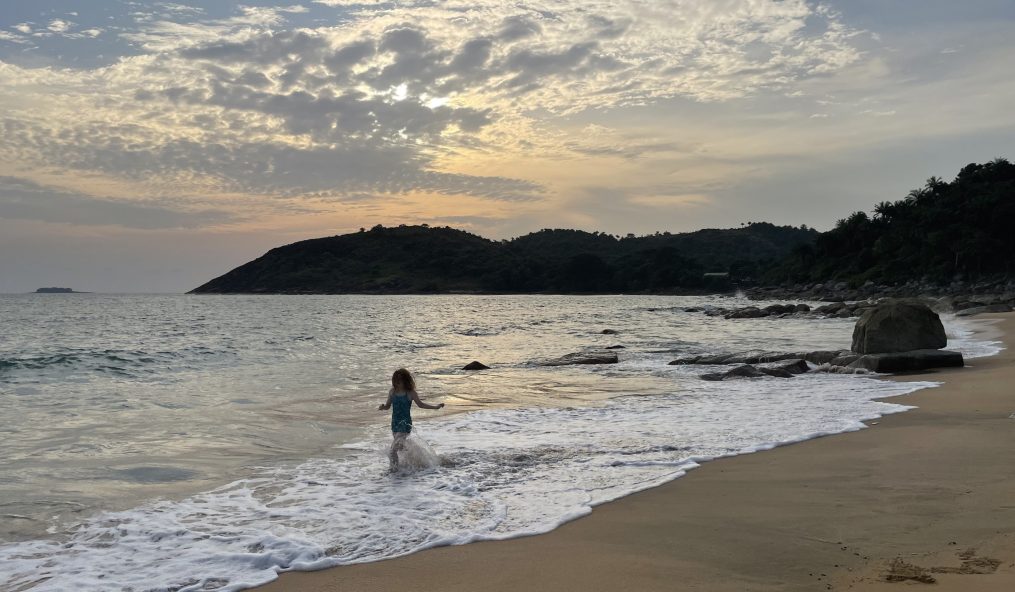

It has been a hard year.
Although the year isn’t over yet—and I may be tempting fate by writing this now—I’m hoping that putting these thoughts down will do two things: first, keep any more surprises at bay; and second, help me process everything that has already happened.
The first big moment of the year was Inauguration Day on January 20. I rarely wade into politics on my blog, and it’s perfectly normal at any time not to feel enthusiastic about a particular candidate taking office. But this year, I felt particularly anxious about the start of this administration and the policies it would sweep in. Even so, I wasn’t fully prepared for some of what followed—but more on that later.
At 8:47 PM on January 29, an Army Black Hawk helicopter collided midair with American Airlines flight 5342 over the Potomac River, just minutes before the plane was to land at Ronald Reagan Airport. All 64 people on the flight and the 3 aboard the helicopter died. Among them were 28 skaters, coaches, and family members from the figure skating community—11 of the youth skaters were ages 11-16.
My 13-year-old daughter began figure skating in Arlington last year. Although she didn’t know the skaters personally, she had seen them on the ice. The MedStar Iceplex in Arlington—where she practices—was also the home rink of many of those skaters. At the memorial, as she stood taking in the names and photos of skaters her age, my daughter sobbed. I felt helpless to guide her through a loss of this kind; there was nothing I could say that would make it understandable. The tables of stuffed animals, flowers, photographs, and memorial books remained at the rink for about two weeks, a quiet reminder of how many lives had been intertwined there.
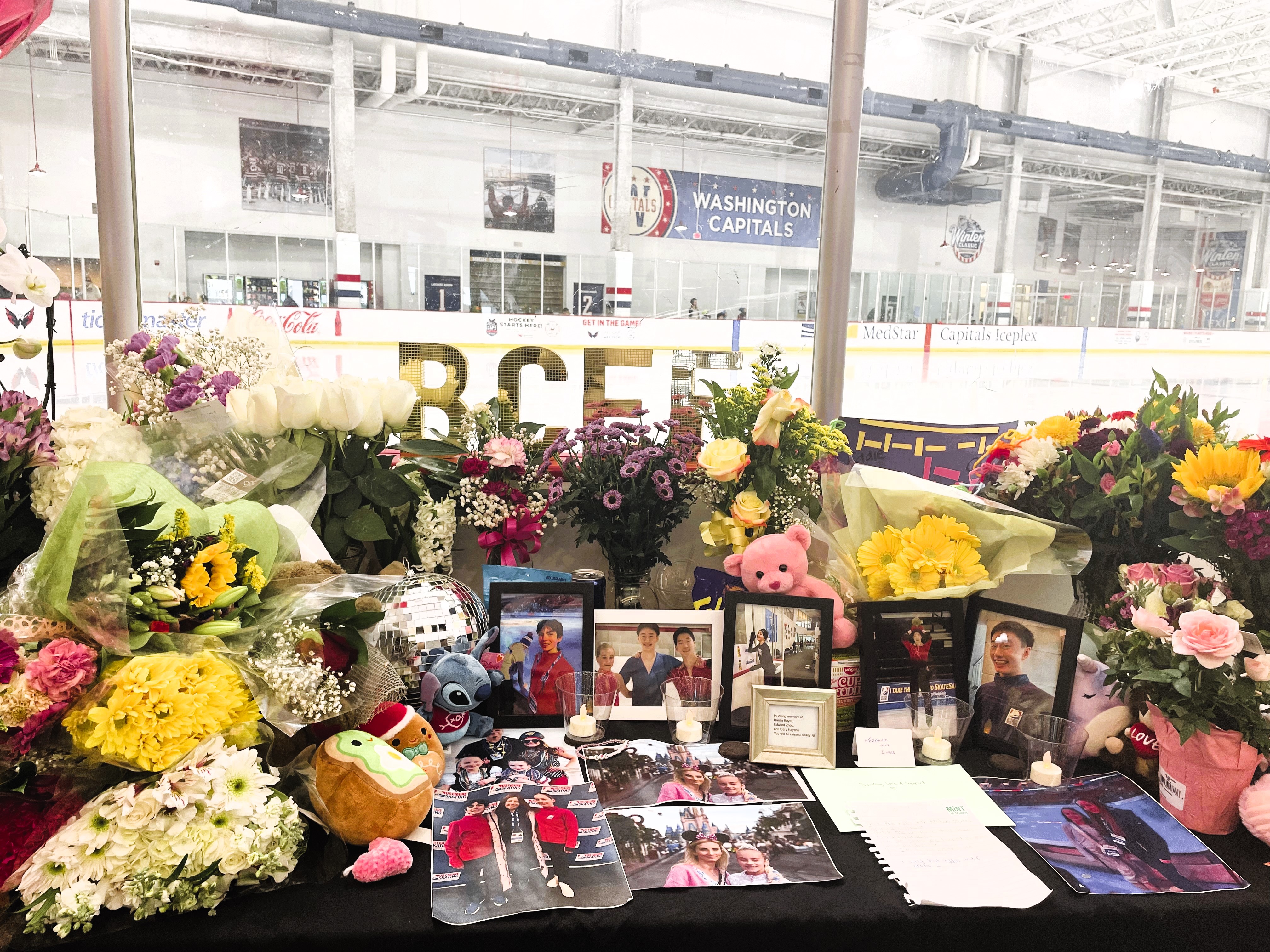
In June, when my daughter performed in the annual Ice Show, several competitive youth skaters put on a beautiful program to honor their friends and teammates. The photos of the skaters and community members we lost still hang on the rink’s walls and will soon be included in a permanent memorial to Flight 5342.
Two weeks later, things became more difficult. On the evening of February 13, a doctor called to tell me that my mother—who lived in a memory care unit—had been admitted to the hospital. This wasn’t unusual; ever since her fall in January 2024 and her hospitalization on February 14, 2024 for severe infections and psychosis, she had required ongoing care in various facilities and continued to experience medical complications. I had been the main point of contact for her care and had received many such calls over the past year. But this time, the doctor explained that she was in respiratory failure and was not expected to recover.
After speaking with him, I informed my siblings and aunt, then called my father. When I told him my mother was back in the hospital, he became distressed and started breathing rapidly, and I had to call 911. Emergency responders forced entry into his home and transported him to the same hospital.
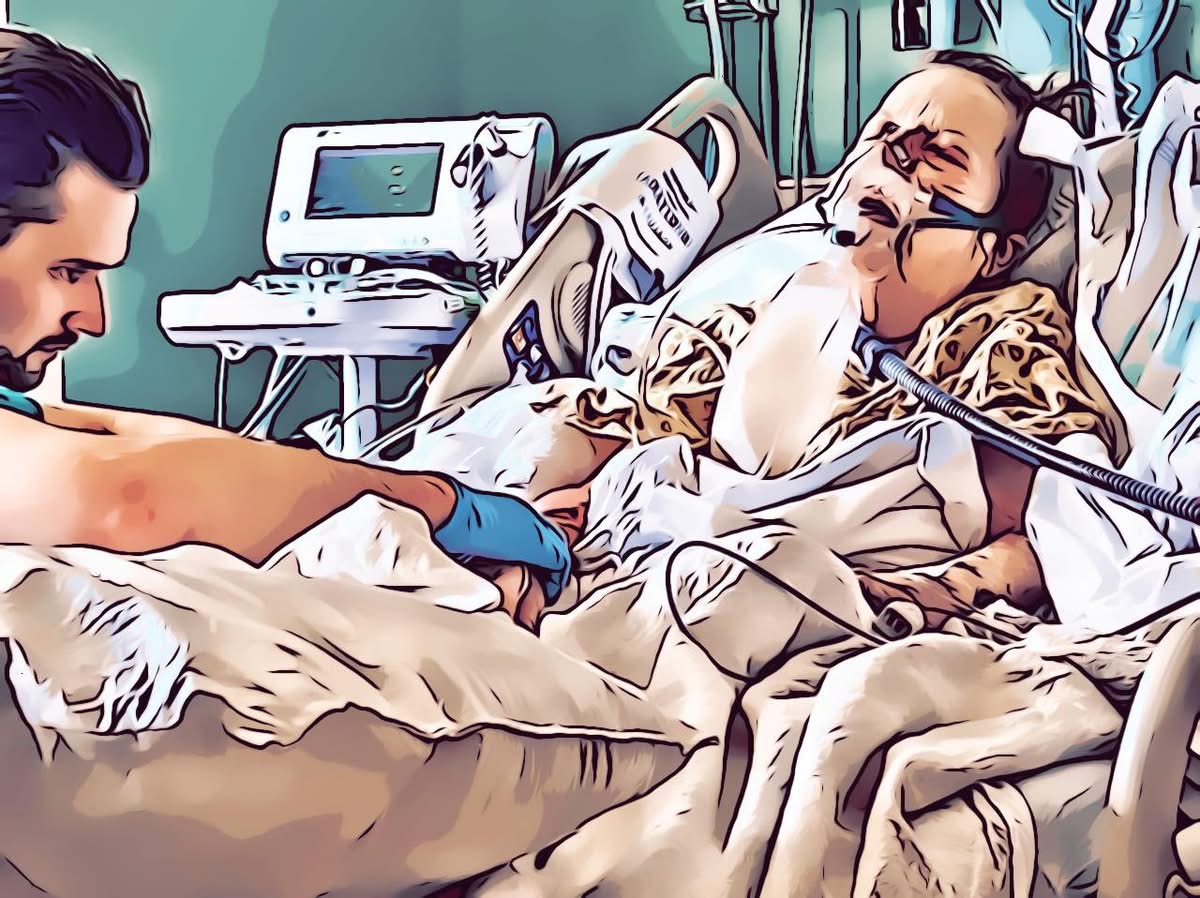
I spent most of the next two days there, moving between my father’s room on the second floor and my mother’s on the third, coordinating with medical staff and notifying family. On February 15, around 5 PM, the nurses made my mother comfortable and we turned off her oxygen. My sister CH and I stayed with her for several hours. She rallied unexpectedly, and I left around 11 PM.
My mother lingered until the evening of February 19, when she passed away. My father stayed in the hospital for two more days before being transferred to a rehabilitative facility, where he remained for six weeks.
In the first weeks after my mom passed, I was busy managing the bureaucratic details that come with death. As the point person with the crematorium, I provided and reviewed the information for the death certificate, handled the billing, and arranged for the collection of her ashes. I also closed out her room at the assisted living facility. At the same time, I was supporting my dad—visiting him during his rehabilitation, coordinating with his care team, and eventually taking him back home. It wasn’t until several months later that I was able to think about my mom herself.
We had not been close for a long time, but certain things still stay with me. She didn’t have an easy childhood as the youngest of seven in a working-class family outside Pittsburgh. She worked hard, often two or three jobs at a time. When we were little, she told us stories and made up songs—good enough that my sisters and I once performed them in our elementary school talent show. She made excellent handmade Halloween costumes, and when I was ten and my sisters were eight and six, we swept the local contest with first, third, and fourth place. I was a bag of McDonald’s French fries (and it was I that won first!).

She loved yellow corn on the cob (not the terrible white kind!) with plenty of butter, Big Macs, stove-popped popcorn drenched in real butter, and those pink wintergreen candies that tasted vaguely like Pepto-Bismol. And she loved Coca-Cola. When I was a kid, we kept two two-liter bottles in the fridge at all times—one for her, and one for the rest of the family. And when she visited me in Jakarta in 2010, an animal handler at the Taman Mini Indonesia Reptile Park invited her into the Komodo dragon enclosure, and she enthusiastically said yes! And then she forced me to go in as well (she called me “chicken” and I could not let that stand), even though I really did not want to get into a cage with a 9-foot-long lizard whose bite could kill me.
I had little time to mourn my mother, though, because other difficult things were unfolding—this time in my professional life. The new government administration began rapidly cutting the federal workforce. It wasn’t done with care or coordination. USAID was quickly dismantled, leaving many of my friends and colleagues—people I had worked alongside in Indonesia, Malawi, and Guinea—suddenly without careers. Across the State Department, others took early retirement, resigned, or were abruptly fired.
The stress and uncertainty were constant, and there was real sadness in seeing so many good people lose the work they had devoted their lives to. And underneath all of it was the worry that my own job might be next. It was a different sort of grief.

I have been a near-daily meditator since 2018, and I started seeing a therapist in the fall of 2024. At the start of 2025, I added ice skating to the mix. My daughter was learning, so I figured I might as well try it too, and maybe pick up something fun that pushed me a bit. I love getting out on the ice—with no cell phones, I couldn’t read the news, doom scroll, get caught up in cat videos for far too long, or really think about anything other than remaining upright and finding joy in that. These activities helped, but halfway through this year, I knew I needed more to help me cope.
I started with some 5Ks with my daughter. She had asked to see my old running event tees and medals, and after looking them over, she asked if we could run together. Back when I started this blog, I was a runner. I had participated in numerous 5K, 10K, 10-miler, and half-marathon races. But once I left Shanghai, went into training, and then moved to Malawi, the running fell by the wayside. I am not in great shape now, but C and I have already done 4 5ks in the latter half of this year.
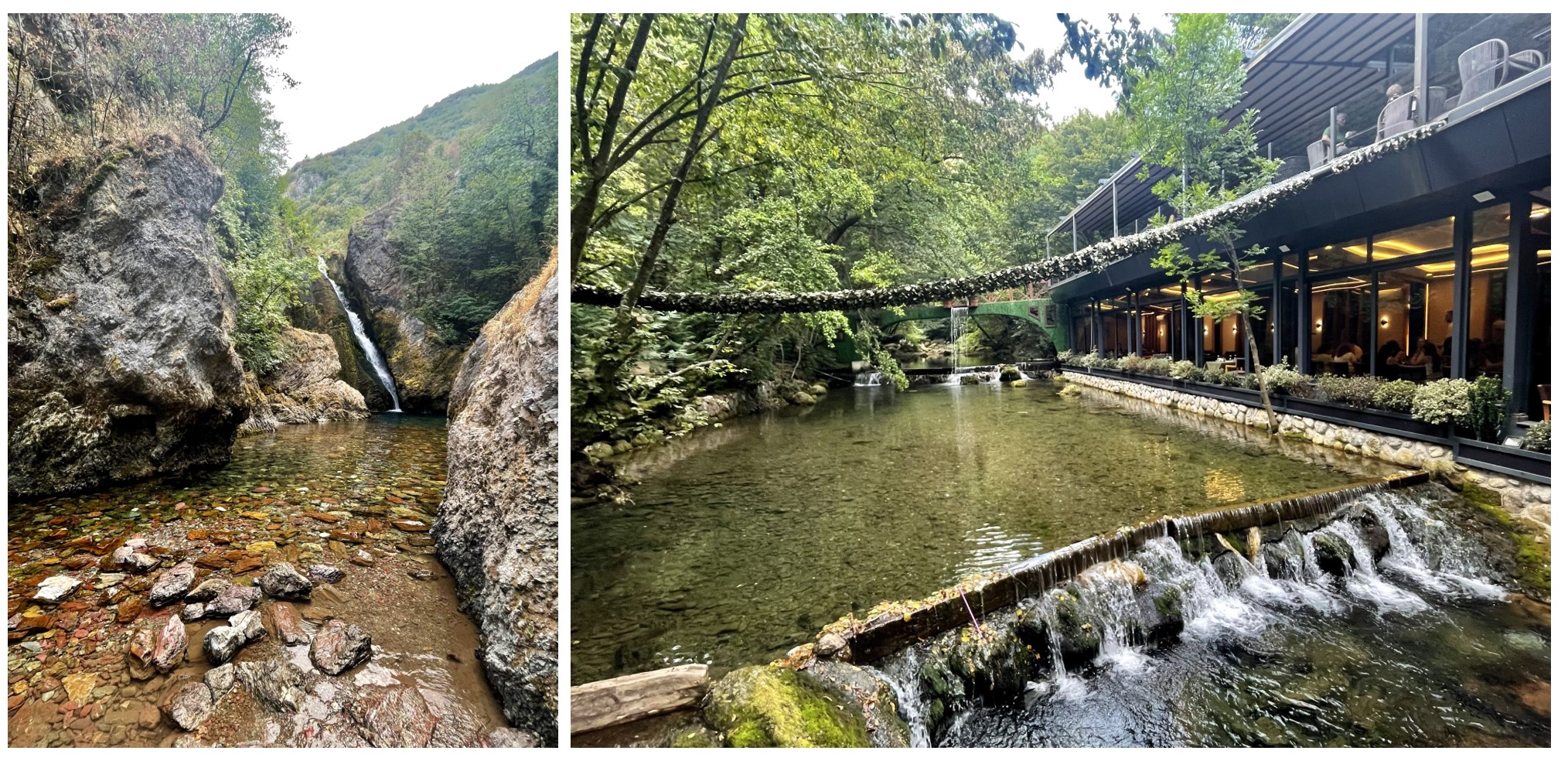
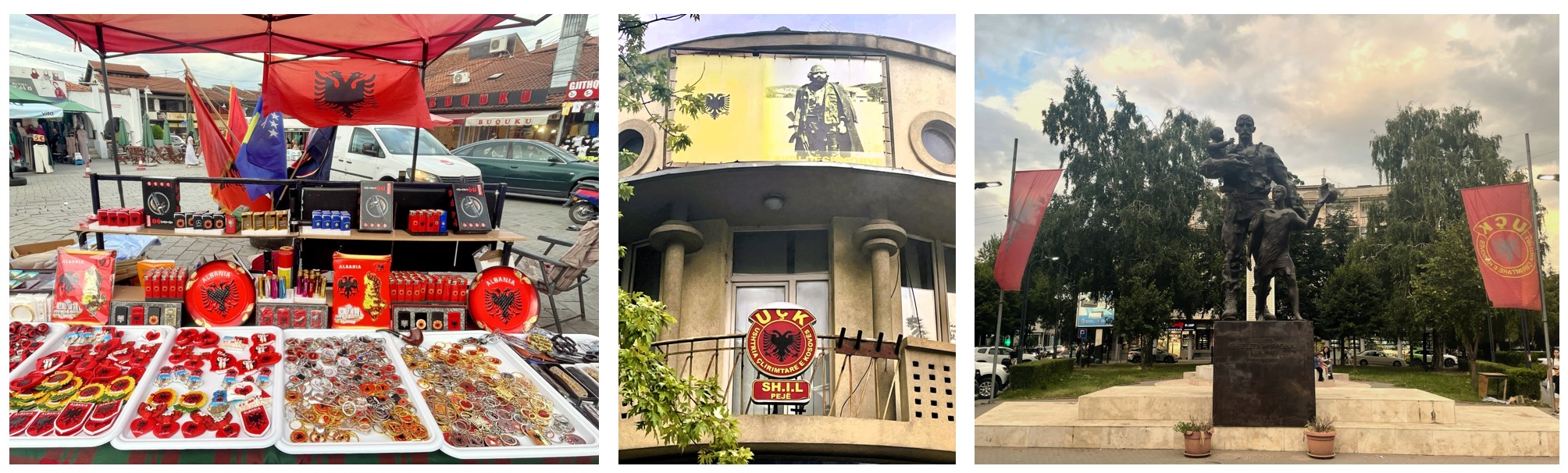
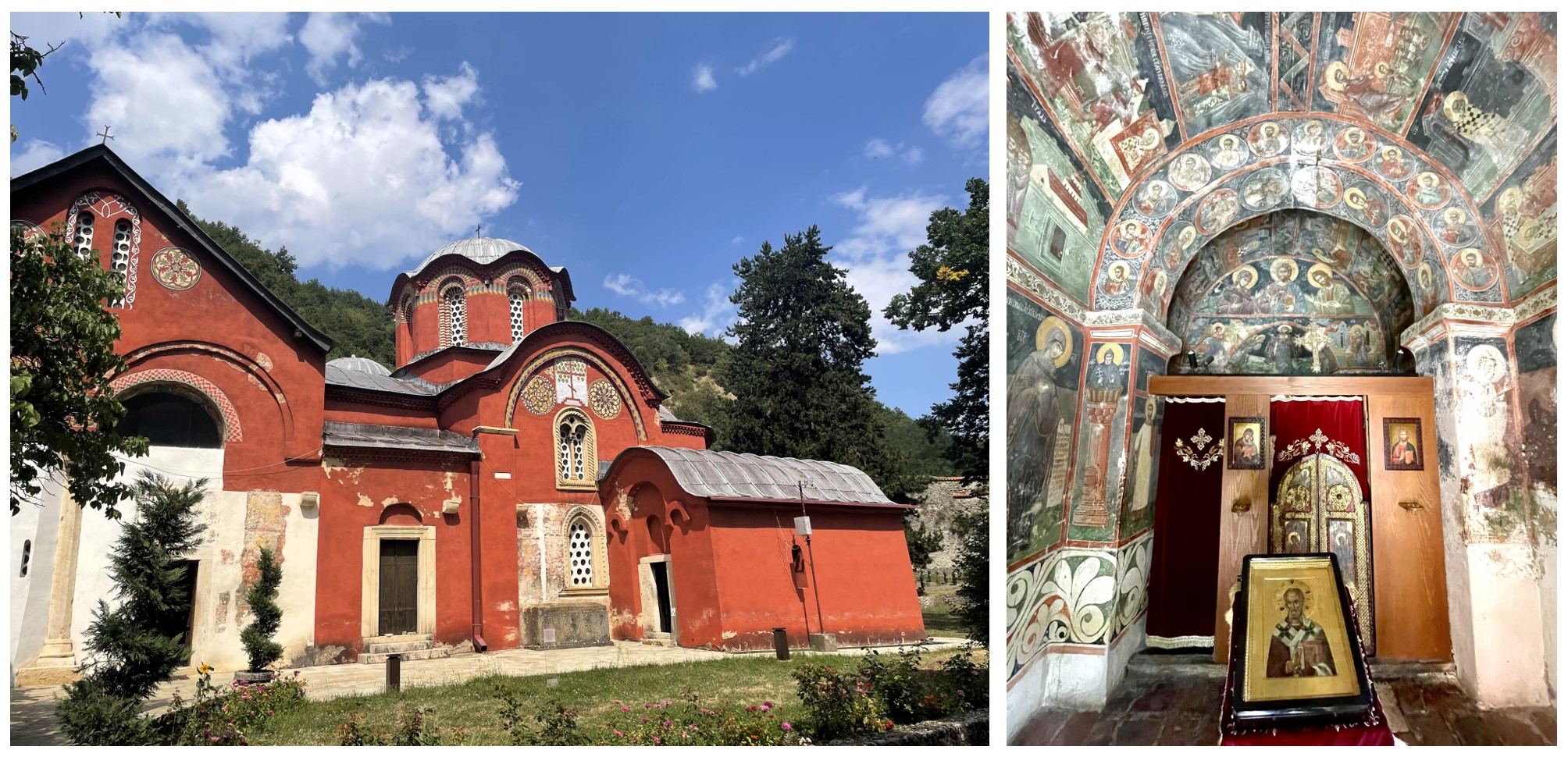
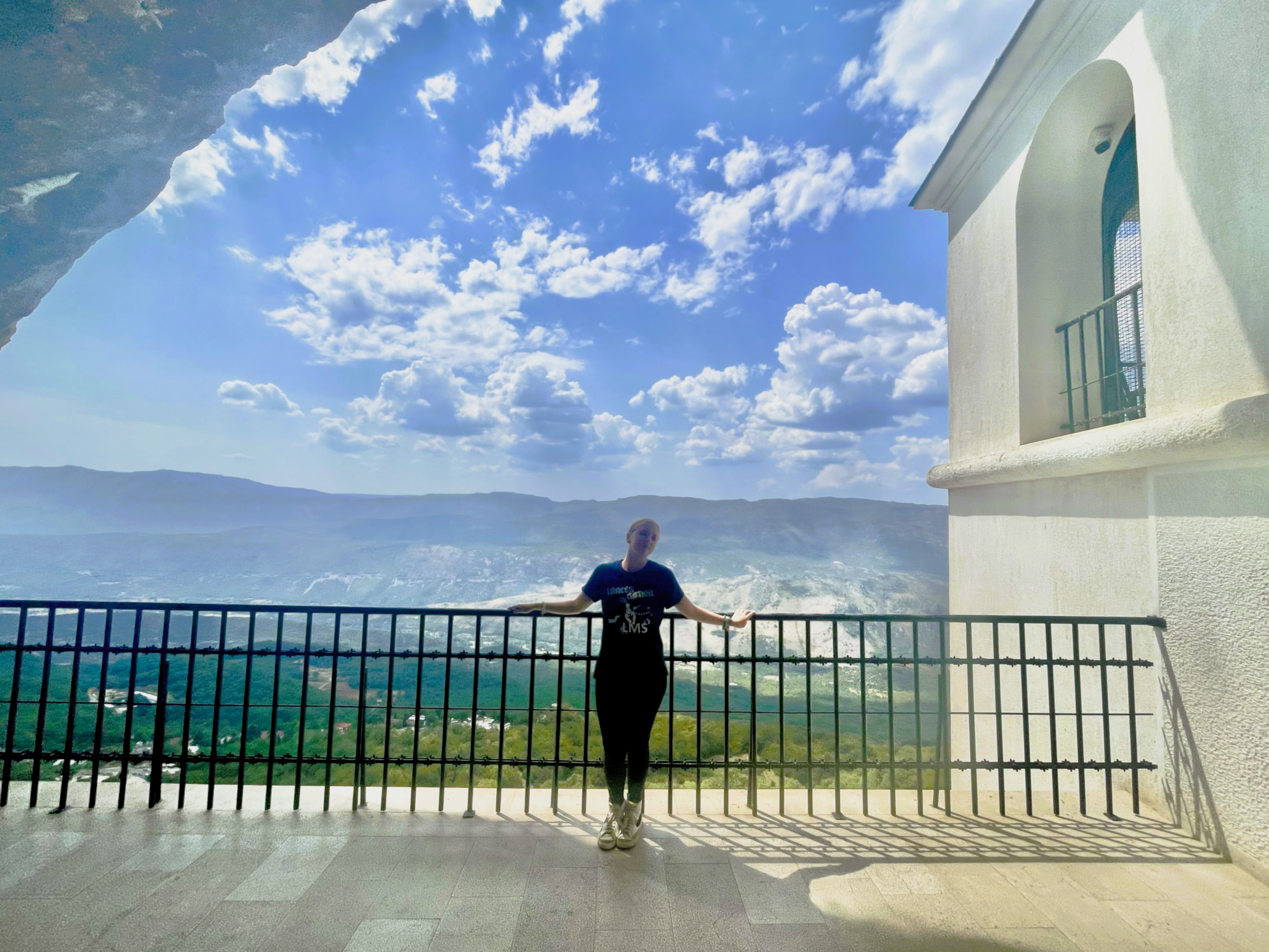
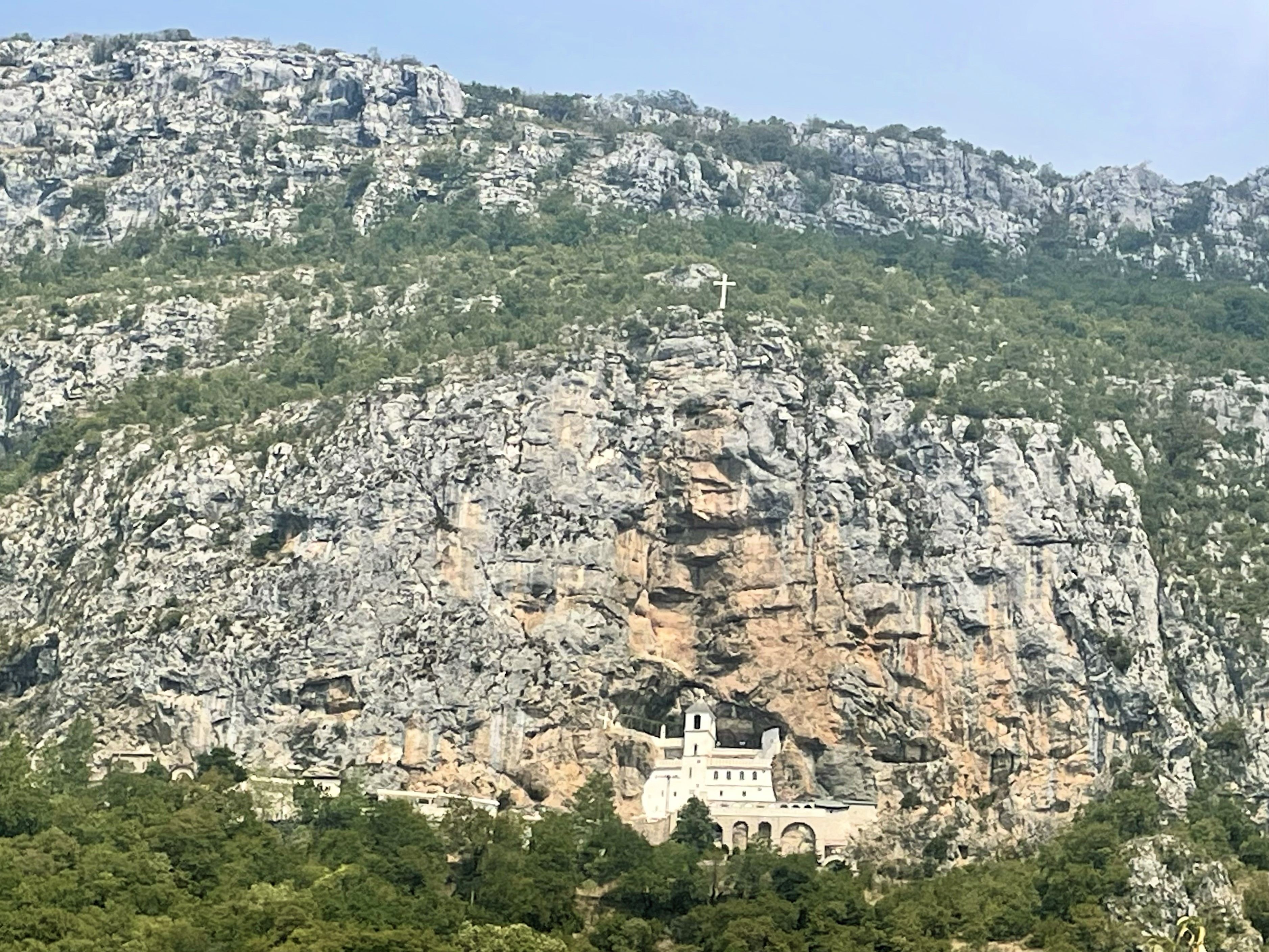
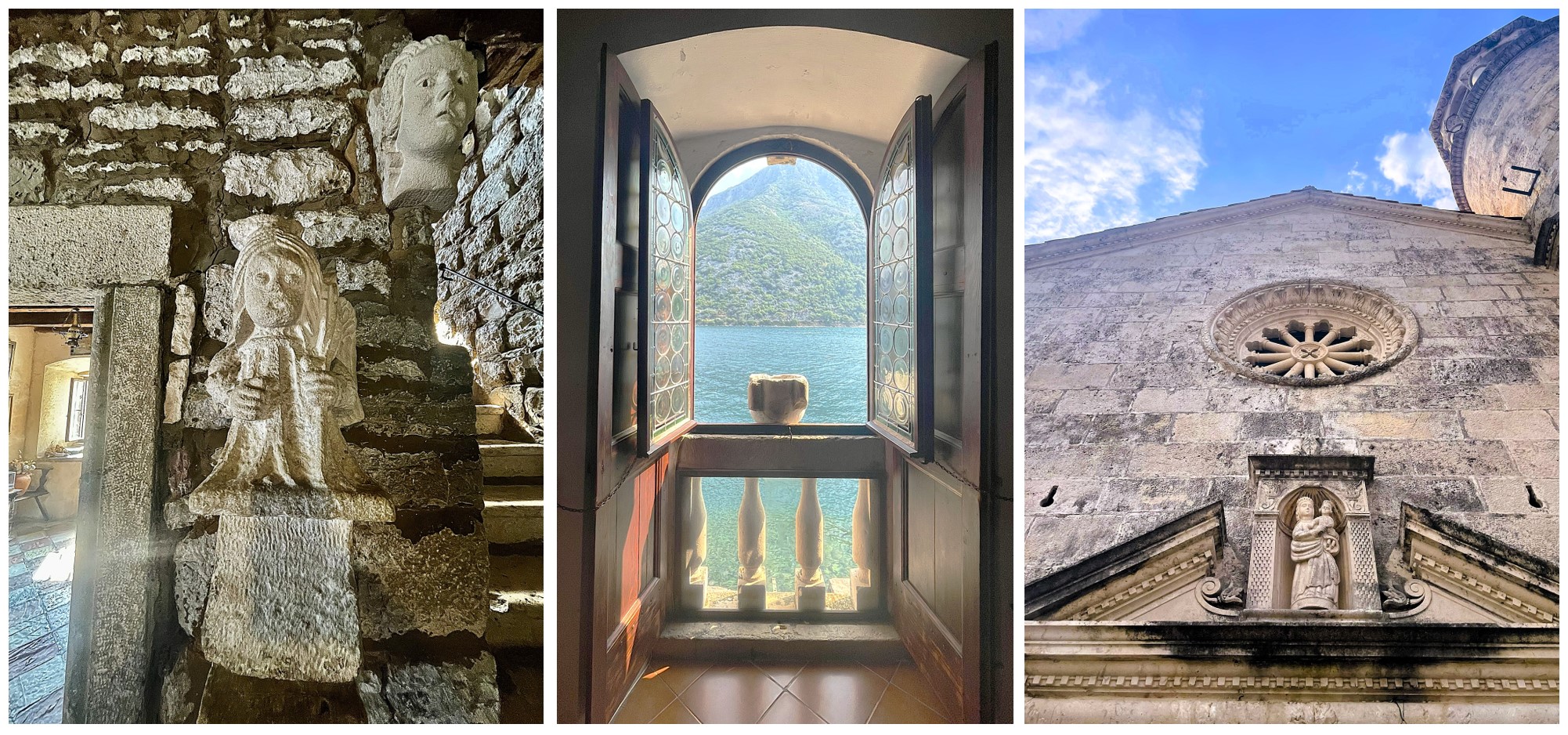
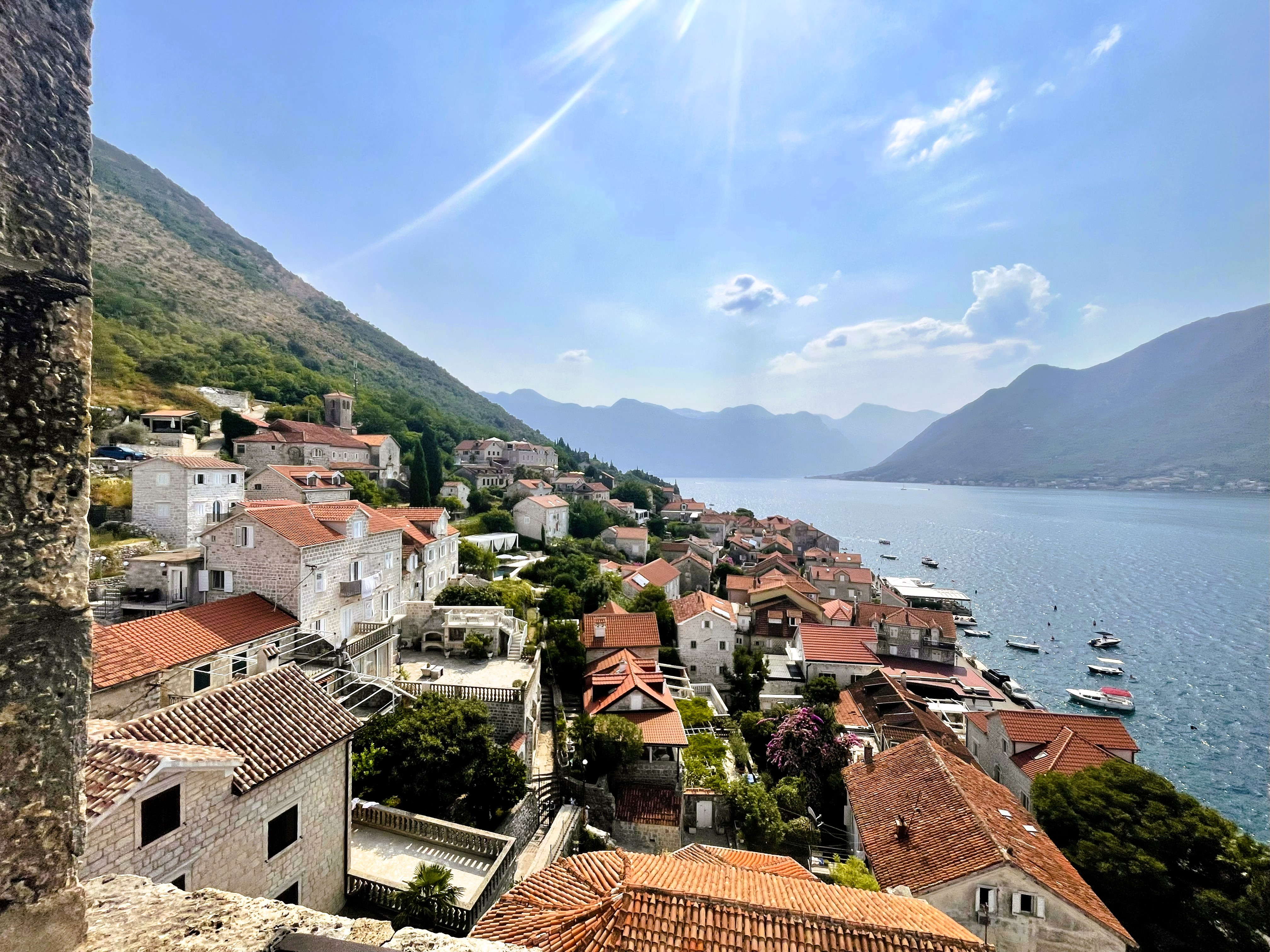
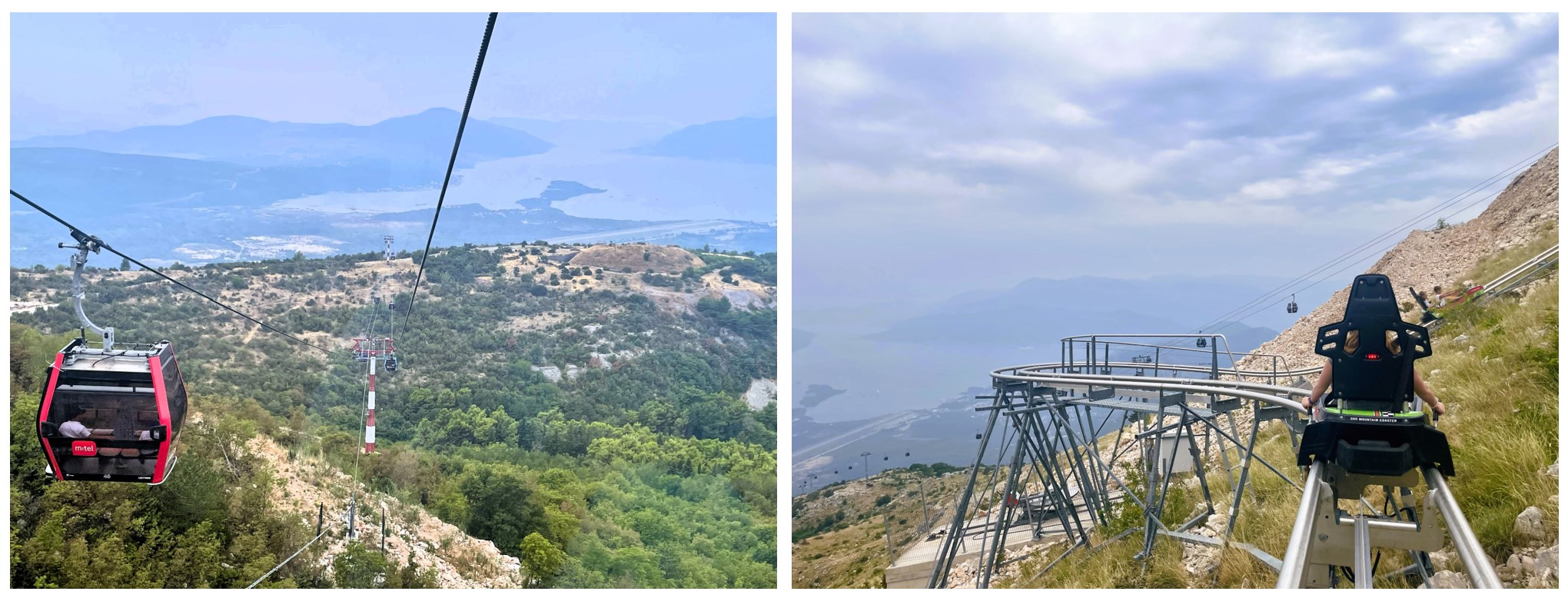
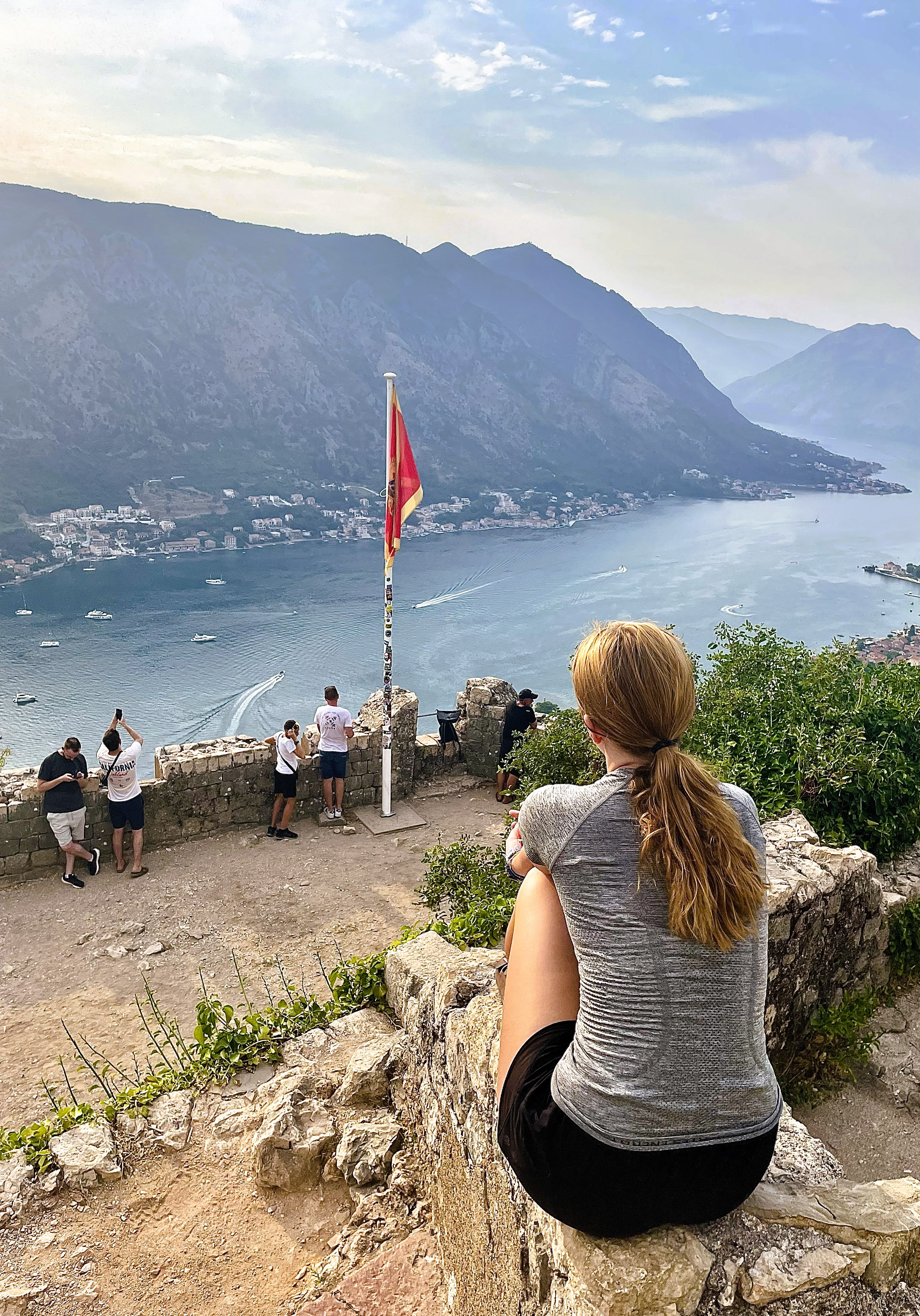
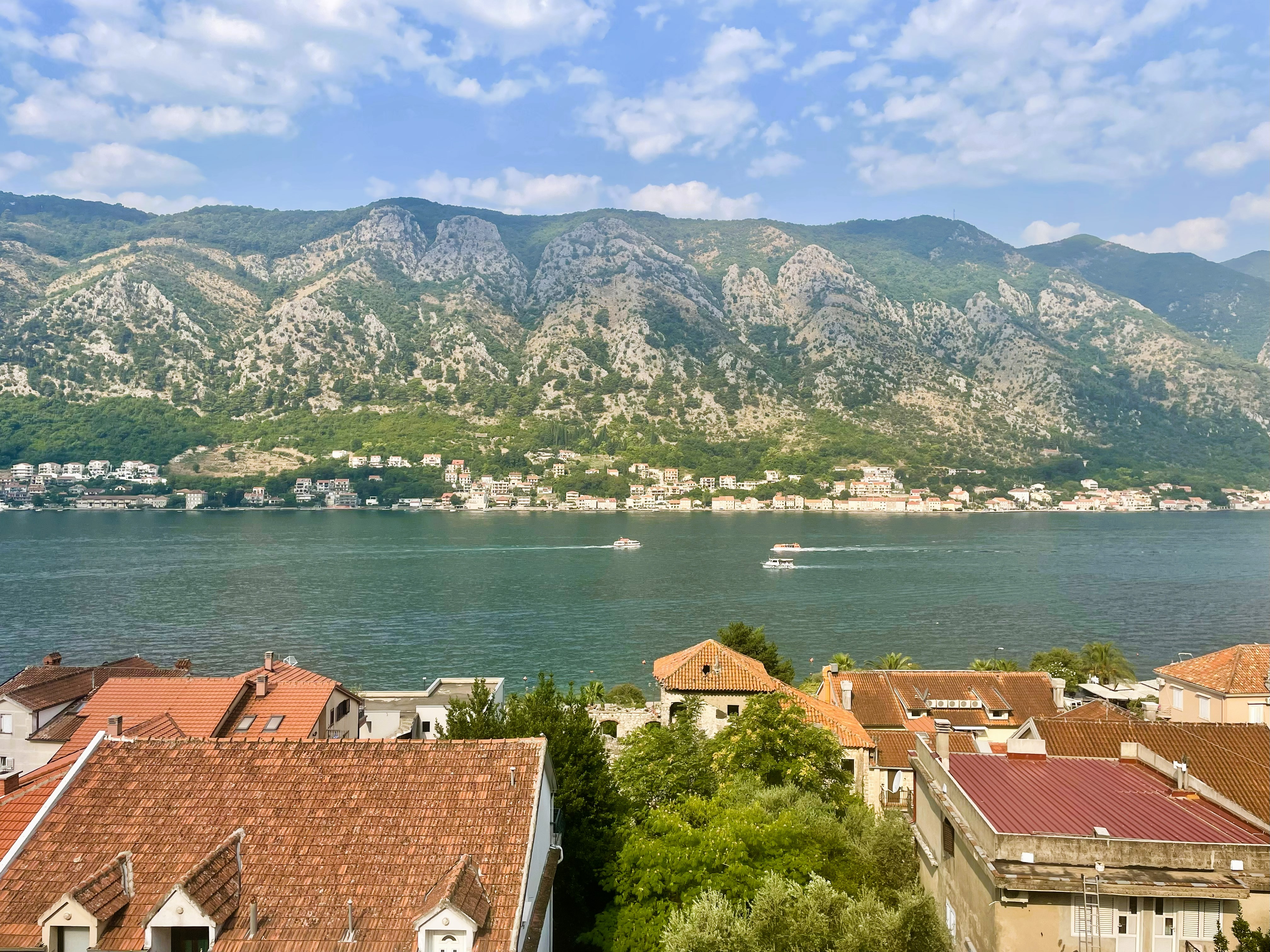
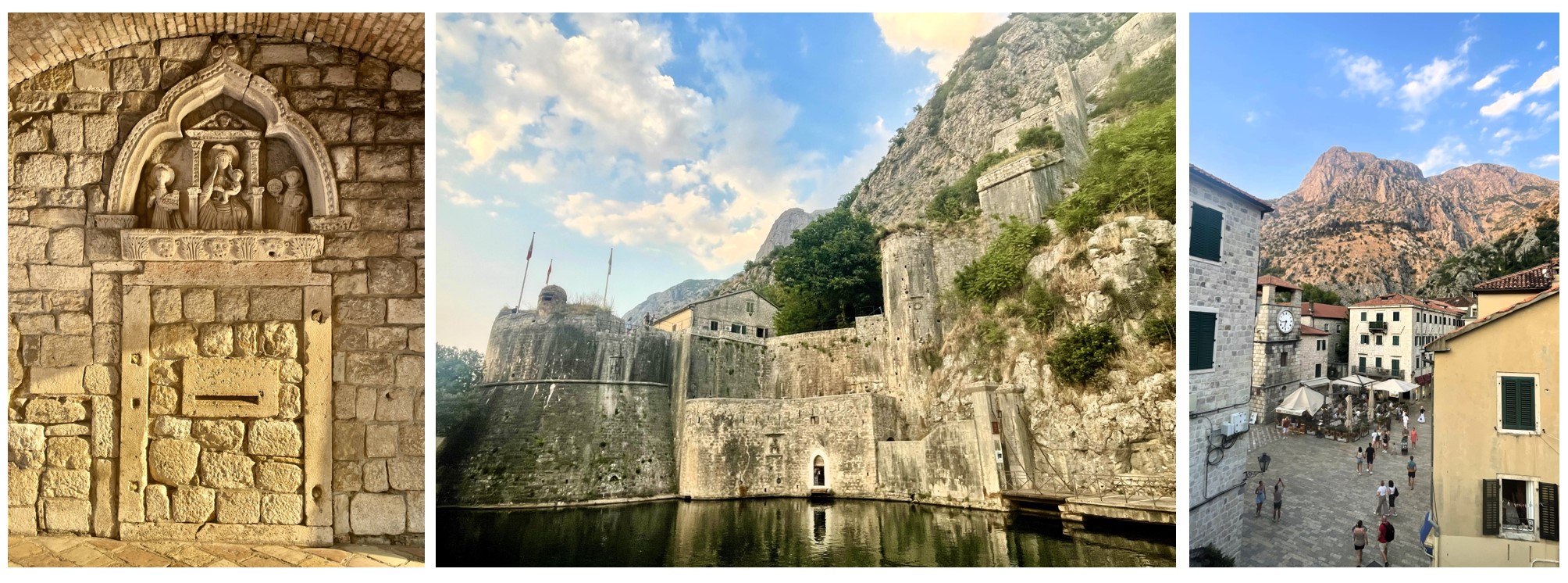
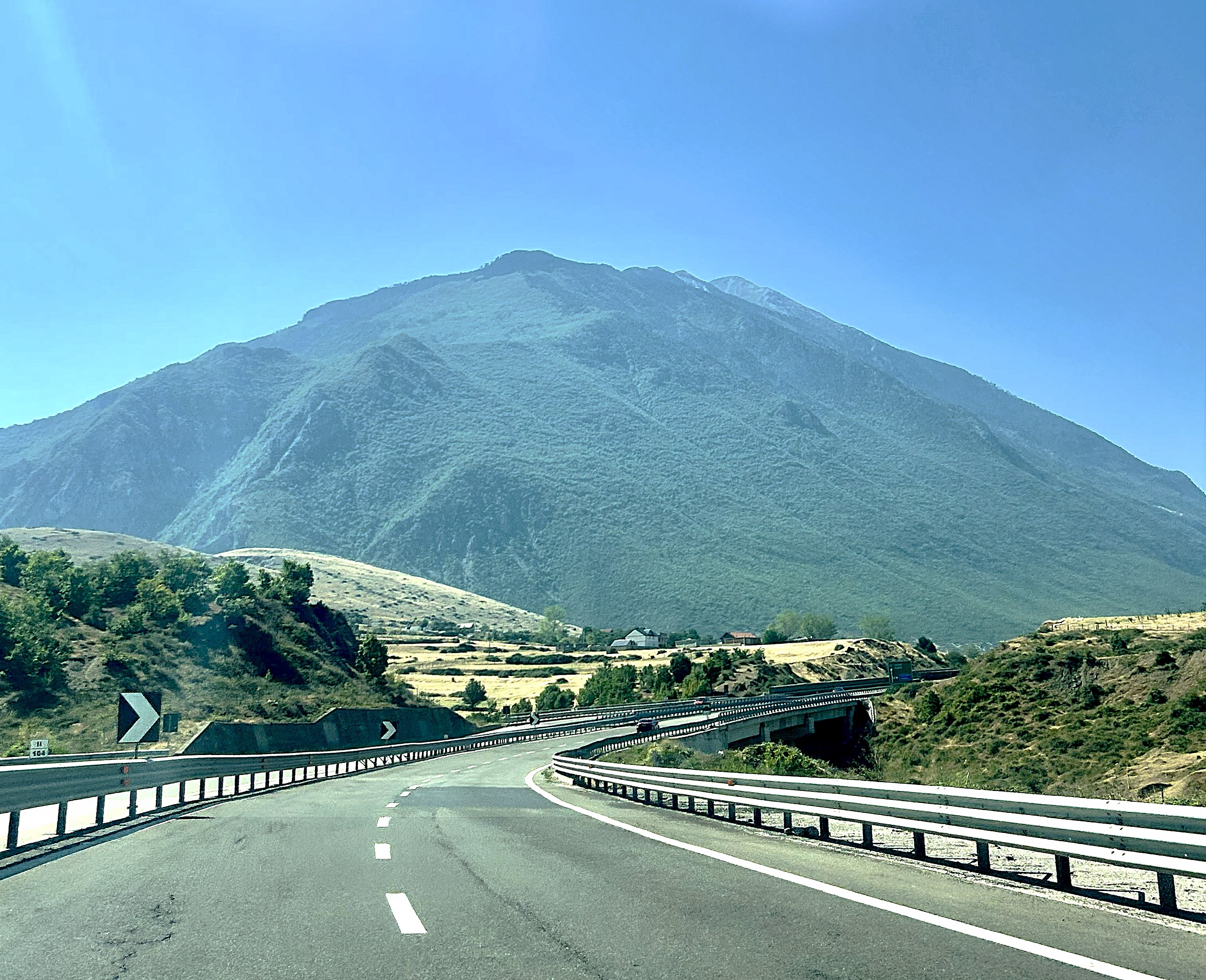
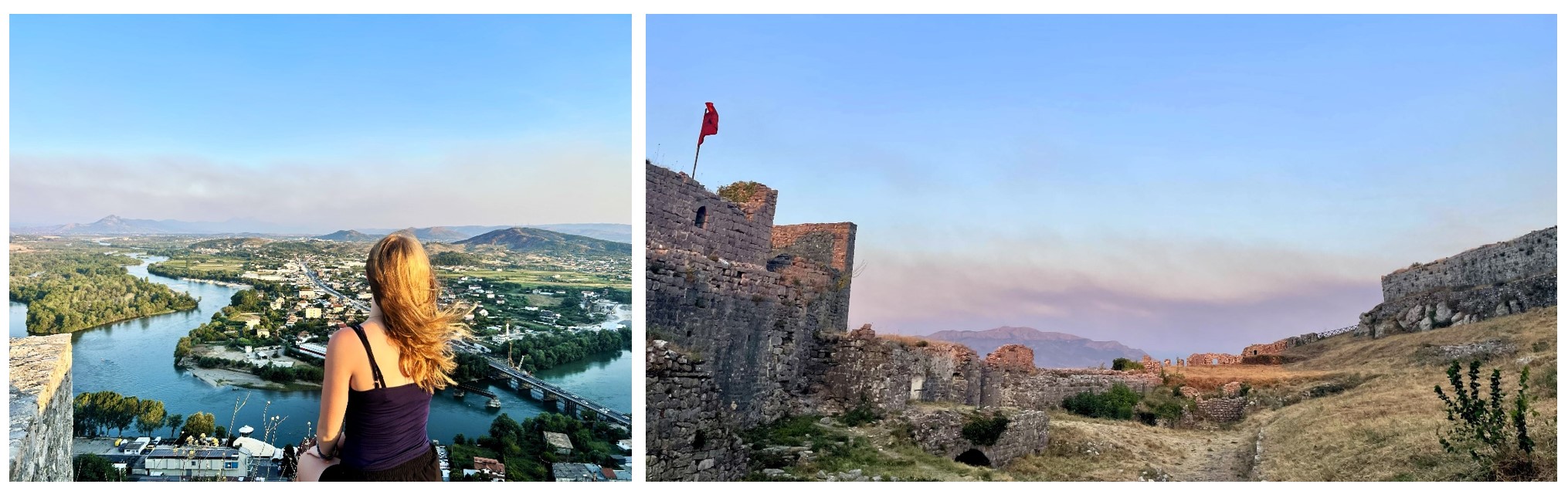
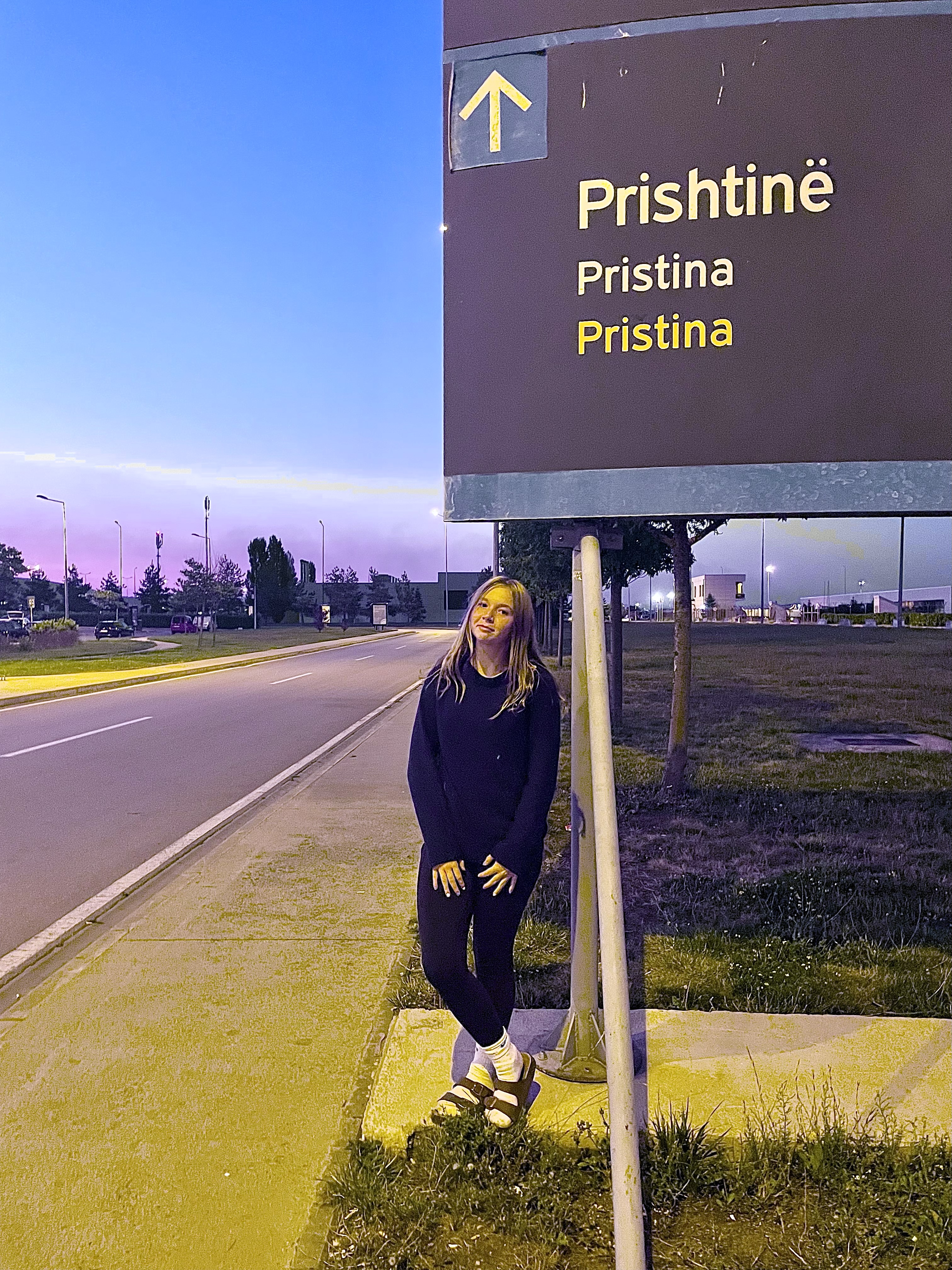
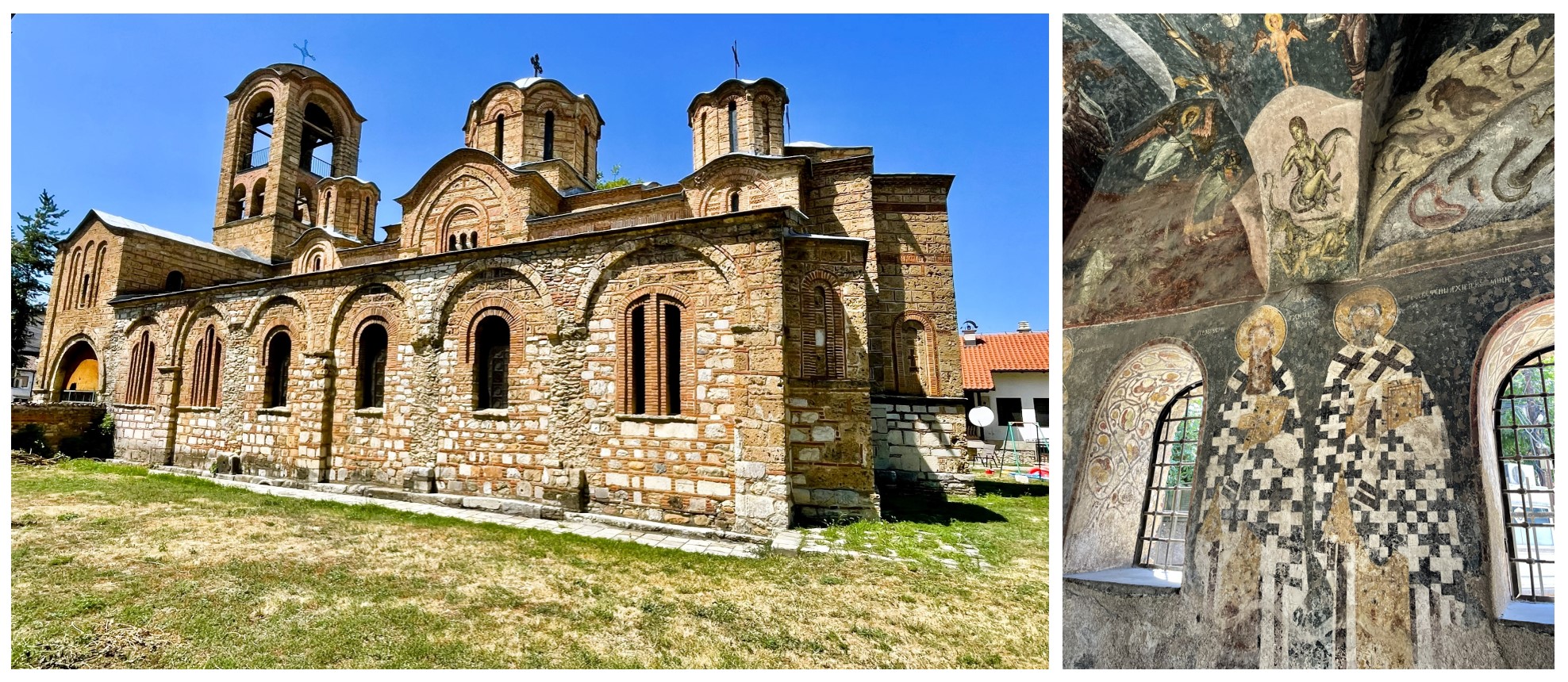
We also went ahead with our vacation to Europe in August. With everything that had been happening, including the uncertainty swirling around continued federal government employment, I had debated about canceling. I am extremely glad I did not. Going on that Balkans travel adventure with my daughter was amazing and restorative.
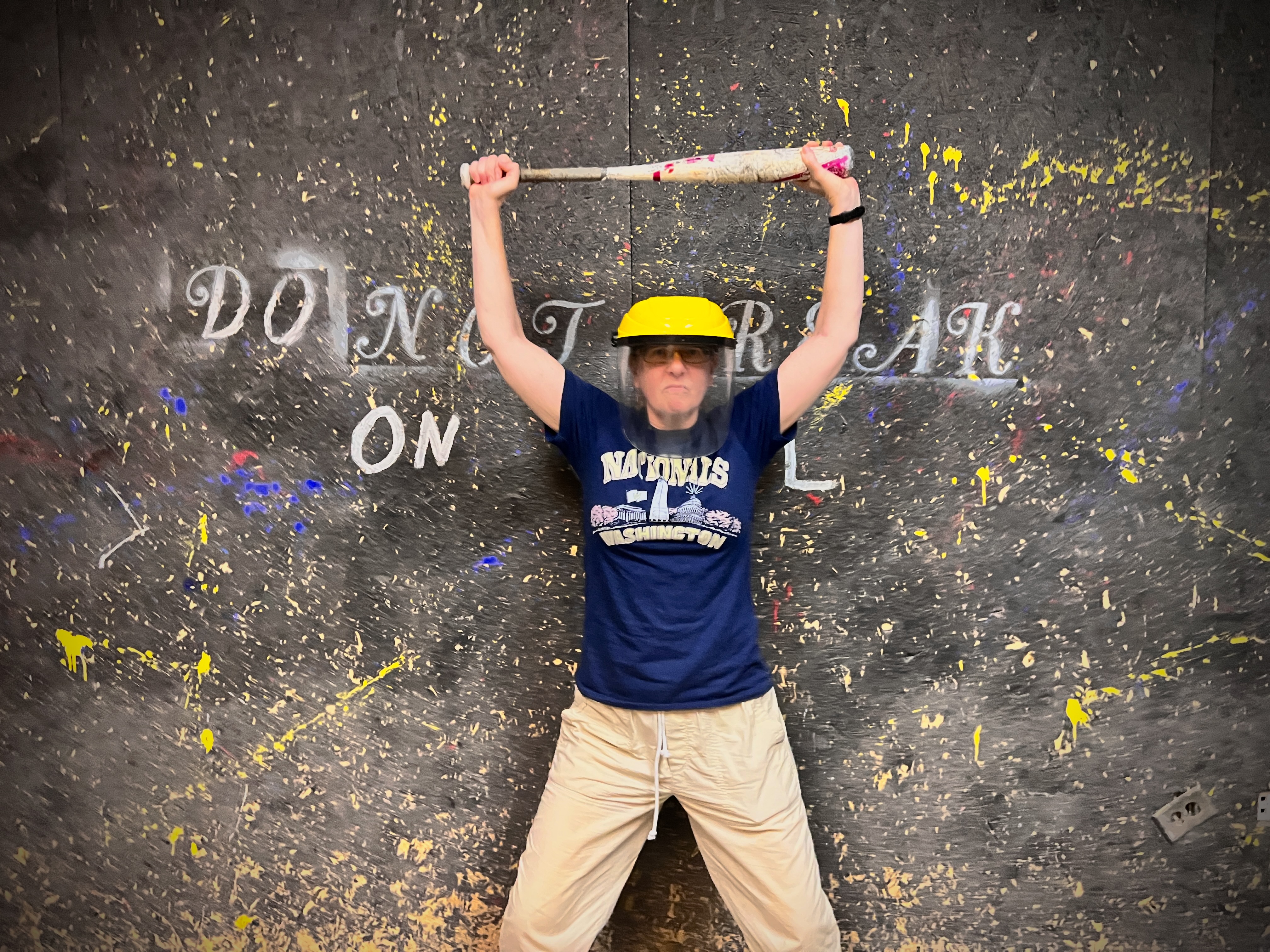
My sister was struggling with the grief, too. She had lost her job, a close family member on her husband’s side, and two friends in the same timeframe as Mom. I had been looking into a grief circle for both of us, but the timing did not work at first. So I asked her if she wanted to go to a rage room with me. I thought she might think it was dumb, but she did not even know what a rage room was. When I explained it, she agreed without hesitation. So in early August, the two of us went to a place out in Winchester. With the music turned up loud, we took baseball bats and smashed a bunch of things for thirty minutes. It was certainly not a solution to everything, but it was very therapeutic.
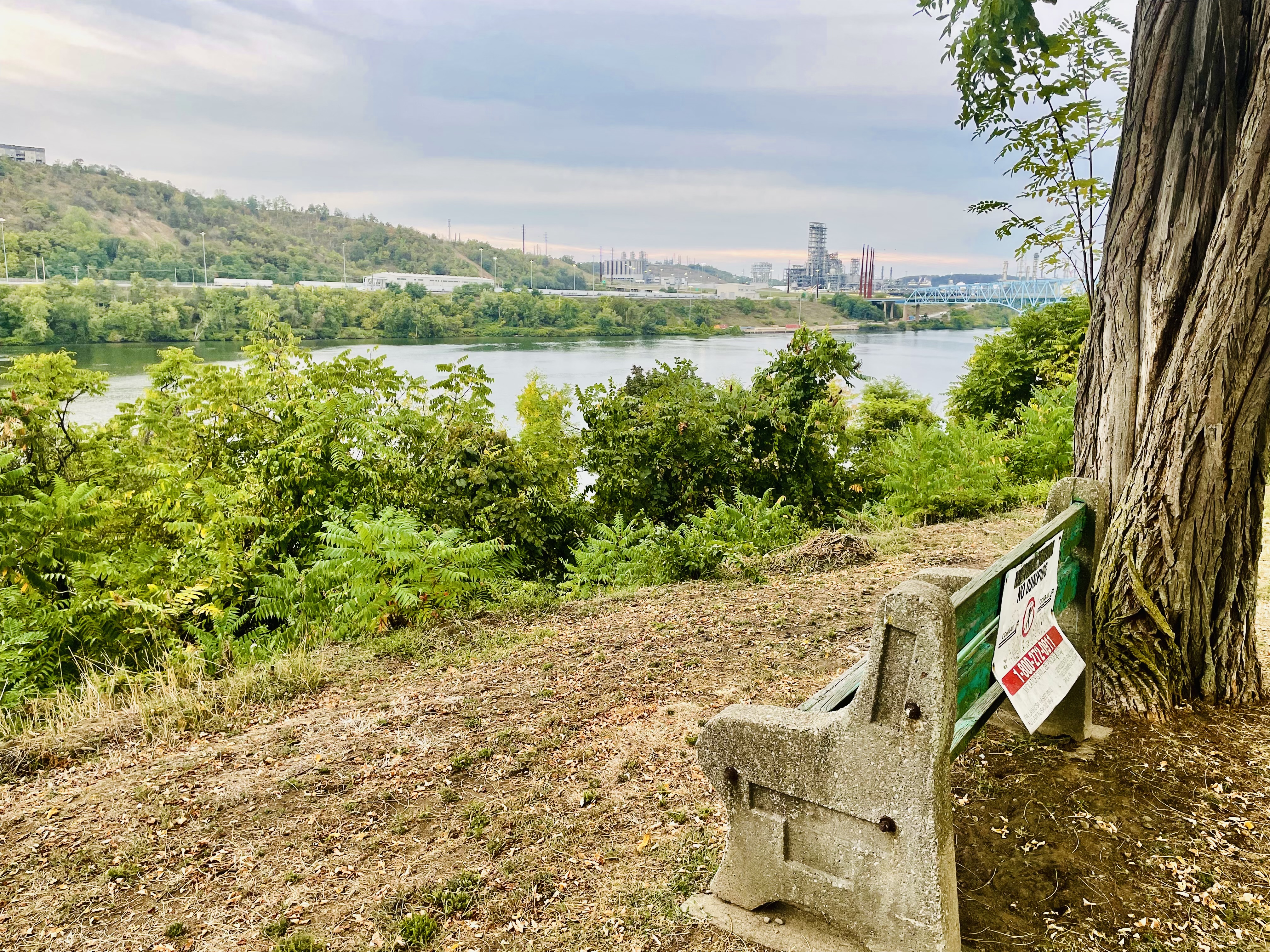
In September, C and I drove to and from Toledo for the wedding of a college friend of mine. Along with enjoying a ceremony and reception at the Toledo Zoo and Aquarium, I planned a few activities connected to my mom. While we were in Toledo, I visited my Aunt Julia, my mom’s only living sibling (my mother’s brother passed away in May), and my cousins. We spent a Sunday morning at her house and then had lunch together. On the drive home, I stopped in Beaver, Pennsylvania, where my mom grew up, and sprinkled some of her ashes along the river overlook near her childhood home.
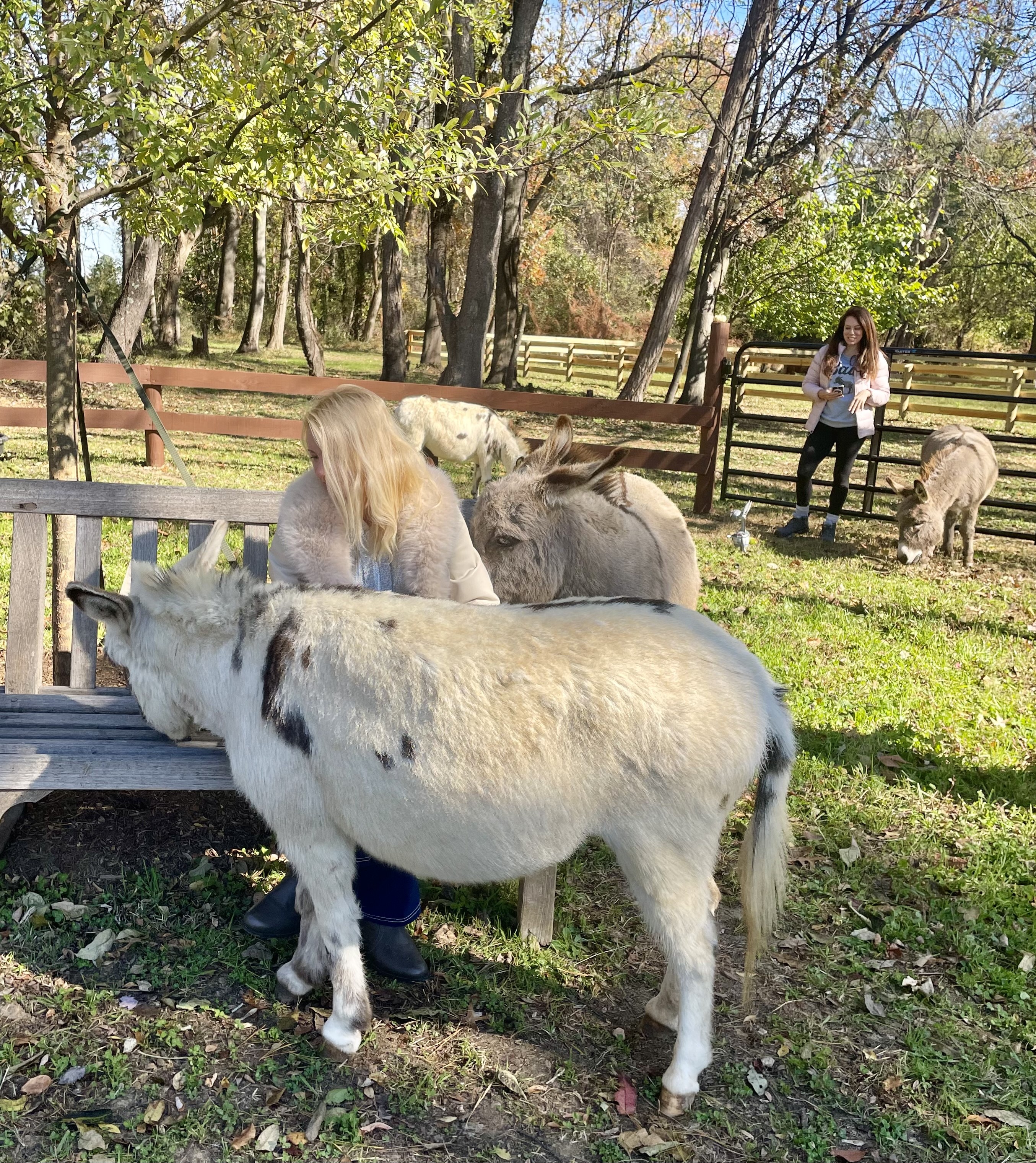
Finally, in October, my sister and I joined a grief circle led by a Foreign Service friend of mine. JS and I began our Foreign Service careers in the same orientation class years ago. During her second tour, she experienced three devastating personal losses in a short period of time. After moving through the initial stages of grief, she sought more ways to live with and accept the losses, from running a marathon to writing a book, and then helping others by becoming a certified yoga and grief coach. We joined her and four others who were experiencing loss at a small farm near Purcellville, Virginia. We meditated, shared our grief stories, and then took part in equine therapy with several sweet and friendly rescue donkeys.
None of these activities alone solved the grief or completely lifted the weight of the year, but each one helped me keep moving. Meditation, therapy, ice skating, time with family, the rage room, the trip to Toledo, and the grief circle all gave me different ways to breathe and stay grounded. Together, they helped me find small moments of steadiness during a very hard year. Here’s to hoping 2026 is a little lighter.

































 The Wanderlust Diaries