Earlier in the year we had a great plan for August with our friends from the U.S. Of course, the best laid travel plans have a habit of being disrupted in a pandemic and these were no different. Like many travel and tourist related companies caught in the pandemic spiral with cancellations right and left, I was issued a credit, not a refund, on our deposit.
As Embassy domestic COVID-19 restrictions eased and we could again travel outside the capital, stay overnight in lodges, and dine in limited exposure situations, I began to plan a trip. After days and weeks morphing into months (six of them) doing nearly everything — working, schooling, cleaning, reading, writing, eating, sleeping, child care — in my home, I was incredibly motivated to not spend my birthday weekend in yet another COVID staycation, if I had options to do otherwise. So, I contacted the travel company and booked two nights at the Mvuu Lodge in Liwonde National Park using our credit to cover half the costs.

Liwonde is an approximately 4.5 hour drive from our part of Lilongwe, despite what my map app said. First, its always surprising to me that it takes about half an hour winding through the warren of narrow, overused roads of the capital til finally breaking free at the round-about on the M1 south from the city. I had just barely emerged from the capital’s chaos when I had to take a pre-arranged call. It is early in the official bidding season, when those of us transferring the following year are taking interviews with potential future posts. The hiring manage had one day and one time available, so I had to make it work. It was hardly ideal having an interview while on speakerphone in the car, but the pandemic has turned everything upside-down, so I gave it my best. But the interview helped the first half of the drive go by quickly and once it was over, we cranked up the tunes and sung our way south for another hour.
At Balaka, where we turned off the M1 and headed east on the M8, we moved into unfamiliar territory. So often driving in Malawi requires just going along the same roads again and again and again, but as we headed down a new-to-us road — even one as pockmarked with potholes and with sides eroded significantly that in some places the two lanes became one as this one — and drew closer to the park, I could feel the stress of the past several days (weeks? months?) ebbing. We spent some 20 minutes on a new, nicely paved road named after the President who lost the landmark court-mandated new election in June, and then meandered through dusty dirt roads through small villages until we reached the end of the village of Ulongwe and the back gate to Liwonde National Park.

Liwonde National Park is neither Malawi’s oldest or largest park (both of those honors go to Nyika National Park), but it is Malawi’s most accessible, and thus most popular. Just five years ago, Liwonde was a park in extreme decline; decades of poaching had left more wildlife snares in the park than wildlife. That year, 2015, Africa Parks, a South African non-profit conservation organization (and whose President is Prince Harry), took over the management of Liwonde. Africa Parks has turned Liwonde around, cleaning up snares, developing a top ranger force, and providing key community awareness to mitigate human and wildlife conflicts. In 2016, Liwonde was the source of one of the world’s largest elephant translocations when Africa Parks moved over 300 elephants from the park to another of its Malawi parks, Nkhotakota. And in 2017, predators were re-introduced, first with lions and later cheetahs, as Africa Parks works to restore the park and animal populations. C and I had visited Nkhotakota and Majete and had saved Liwonde for the last of Malawi’s Africa Parks’ run national parks.
To reach the park from the Ulongwe side we registered at the park ranger lodge and notified the manager of Mvuu Lodge of our arrival. We drove a short distance further to the banks of the great Shire (pronounced “sheer-eh,” not like the homeplace of the Hobbits) River, which is the only outlet of the massive Lake Malawi and flows to the Zambezi. There Chifundo, our guide, met us with a small boat to pilot us ten minutes across the river to our accommodation. The exchange from car to boat had to be made quickly, as almost as soon as we parked, we saw antelope, monkeys, and most ominous, a troupe of baboons emerged from the brush to circle the clearing. Chifundo would take my car keys and after dropping us off at Mvuu Lodge, return to drive our vehicle back to the ranger station (you do not want to know what baboons might do to your unattended vehicle).

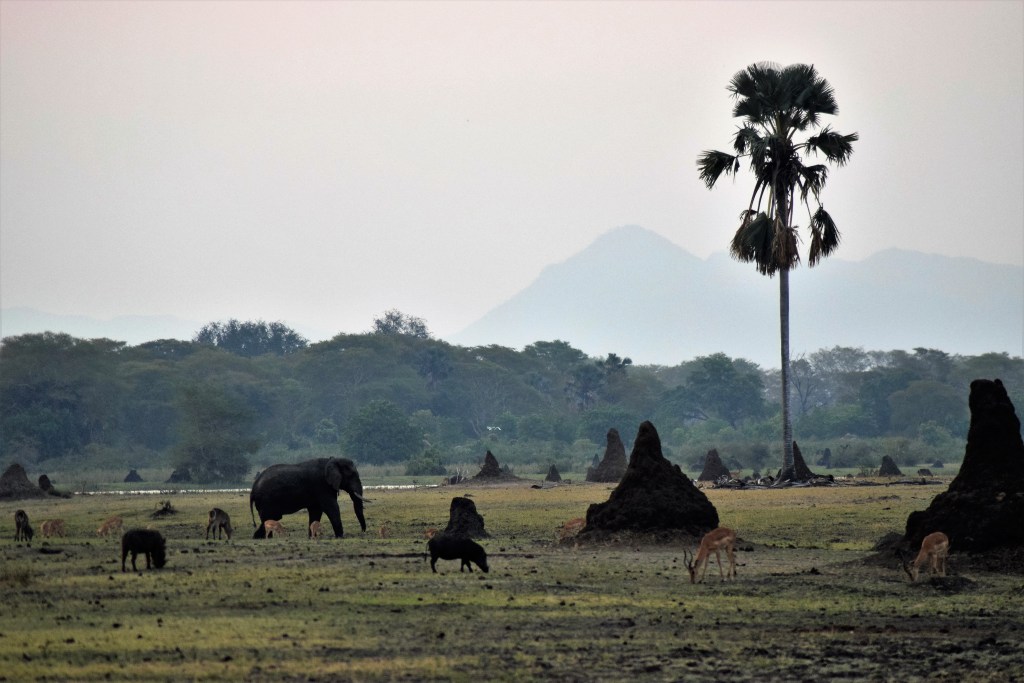
Immediately, we could spot wildlife from the boat. Hippos lurking near the river’s edge. Elephants on the shore or in a bath party in the river. Antelope grazing on the river banks. And birds swooping alongside the boat or perched on branches – from slim reeds to massive boughs — nearby. A crocodile lazily swished through the water.
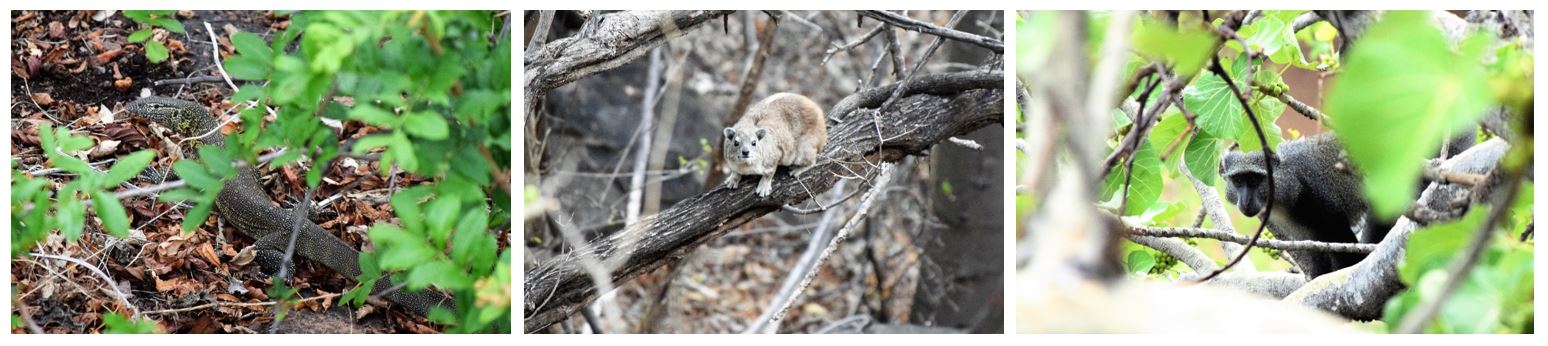
We disembarked after a 20 minute ride, including a short detour to see elephants, then climbed aboard a jeep for a short drive to the lodge. We were served lunch in the main building, built above a beautiful spot with views over savanna, marsh, forest, and the river, where in a lazy woman’s safari we could already make out seven types animals without any effort — warthog, bushbuck, baboon, hippo, waterbuck, striped mongoose, and a crocodile.
After a lazy lunch and an even lazier layabout in the room for an hour, it was already time to head out on our sundowner game drive. It was just C and I, our guide Chifundo, and a park ranger. It took literally seconds to spot more wildlife. Impala, bushbuck, warthogs, and baboon were the most plentiful, but the occasional rarity such as a southern ground hornbill or a tree squirrel, would make an appearance. It is October now, the tail end of the dry season, and the daytime heat is intense. But driving in late afternoon to evening in an open safari vehicle, feeling a delicious breeze as the African sun dips and the air is suffused with a rich, golden light, is magnificent. It was hard to believe that morning I had been in the capital. We felt a world away.
The next morning – my birthday – we were up at 5 AM. C and I have not seen that time of day in a long, long time. We are natural night owls, and the COVID experience has accentuated and cultivated our late evening tendencies. Amazingly, both of us, refreshed by an undisturbed sleep beneath a large white mosquito net canopy, the lulling sound of the ceiling fan, and the sounds of nature, woke up easily.
We were on the hunt for predators — cheetahs or lions or both. Cats are naturally a big draw for game drives, but even in a well stocked park like Kruger in South Africa, catching sight of the big cats is never a guarantee. Liwonde has a total of eight lions (though ten were introduced in 2018, battles for dominance among males has already reduced the population). The cheetahs — seven of whom were introduced in 2017 — have fared better, with cubs born each year more than doubling the population.

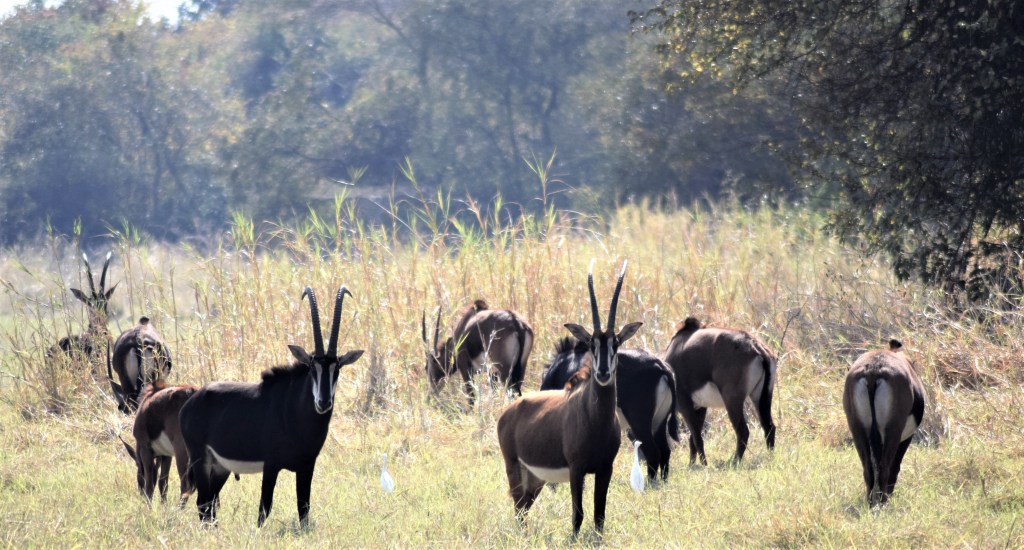
We spotted the usual suspects, but also hippo grazing on open savanna in the early light, a herd of sable, another of eland (the largest antelope) some hartebeest (the fastest antelope), and zebra. And as luck would have it, the eagle eyes of our ranger caught sight of a lion in the distance. We arrived at the bank of a dry riverbed where two lionesses were snoozing. It was exciting to see two of the eight, though they made sure to be as absolutely boring as possible, and C quickly asked if we could drive off. But wouldn’t you know it, a male was lurking nearby, behind a dry ridge of earth in the riverbed. He popped his head up a few times to give us a look–Who had disturbed his nap? And then he rose majestically, standing on the ridge, his head raised as if sniffing the air, and began to saunter with purpose in our direction. And that is when C lost it. She began saying in a stage whisper “Oh, my gosh, oh my gosh, its coming, its coming, let’s get out of here!”
Of course, that lion lost interest in us very quickly, and languidly stepped over to the ladies and flopped down beside them. The excitement over. We drove for another hour or so, enjoying being together away from home, with our reverie occasionally interrupted by a wildlife sighting, but there were not more cats.
We had a light breakfast and lunch, and several more hours of lazing about in our room or sitting on our balcony, which faced a marshy plain backed by tall trees and attracted all manner of wildlife. I felt more content than I had in a long while. Then in the late afternoon we headed out on a sundowner boat safari.
A safari from the water is an entirely different thing from a game drive. The pace is slower (and far less bumpier — as my very first Malawian game driver called it “The Malawian Massage”). There is just as much a sense of excitement with a lick of danger — just as C was sure the male lion intended to leap across the ravine, up the bank, and dive into our jeep to eat us, she was wary of crocodiles and hippos, sure they would upset the boat. (Spoiler alert: they didn’t) Again, an abundance of hippos, crocs, and bird life, including, unexpectedly, four wayward flamingos, on the water and elephant and antelope on the banks. And as the sun set on my birthday, we were treated to the quintessential swift but deep red African sunset; I felt as if I were in the movie the African Queen.

The following morning we opted not to take advantage of another included game drive as we had seen so much wildlife and preferred to a lazy lie-in along with the sounds of the African bush. I wanted to hang on to that languid relaxation as long as I could before making our way back to Lilongwe.
But all good things come to an end. And just as the sense of calm had increased the closer we got to the park, the stressful feelings returned the further we drove away. Liwonde was wonderful, but a short weekend away was not never going to be restful enough to reverse the past seven months of pressure, frustration, and melancholy. We were still in Malawi. And we love Malawi, but it can still be a challenging place. And as I drove home, I could feel my irritation grow with the piles of bricks lying unused by the sides of the road in villages where people work hard yet barely eke out a living, with maddening drivers (too fast or too slow or too), with the poorly maintained roads…and when I was pulled over by the police (for the first time ever in Malawi) and the traffic cop tried to extort a bribe, the weekend’s spell was completely broken.
Still, there are certainly far, far worse places to be, and Liwonde was a great birthday getaway. I have also used up one of my COVID travel casualty credits, only three more to go.






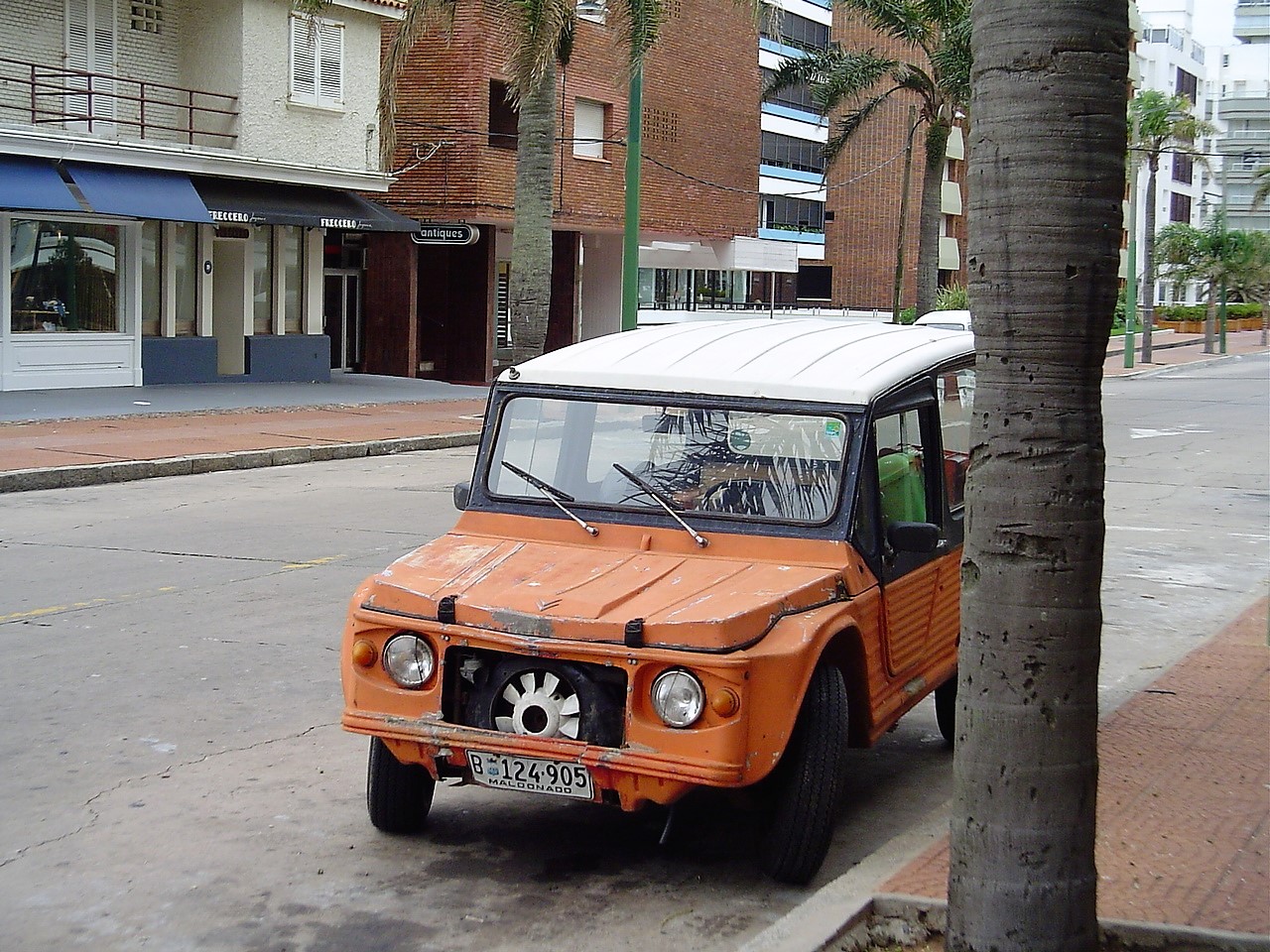
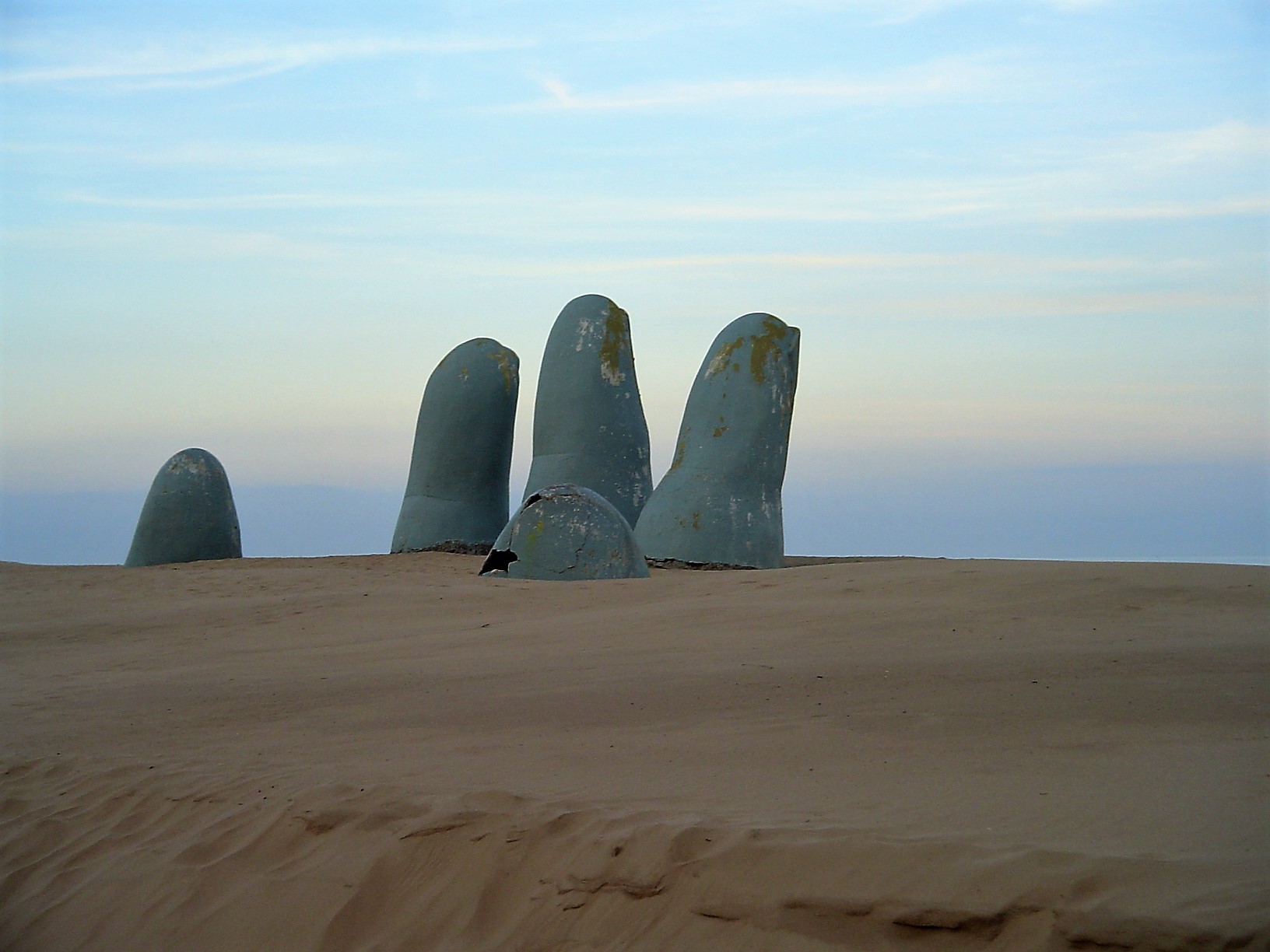


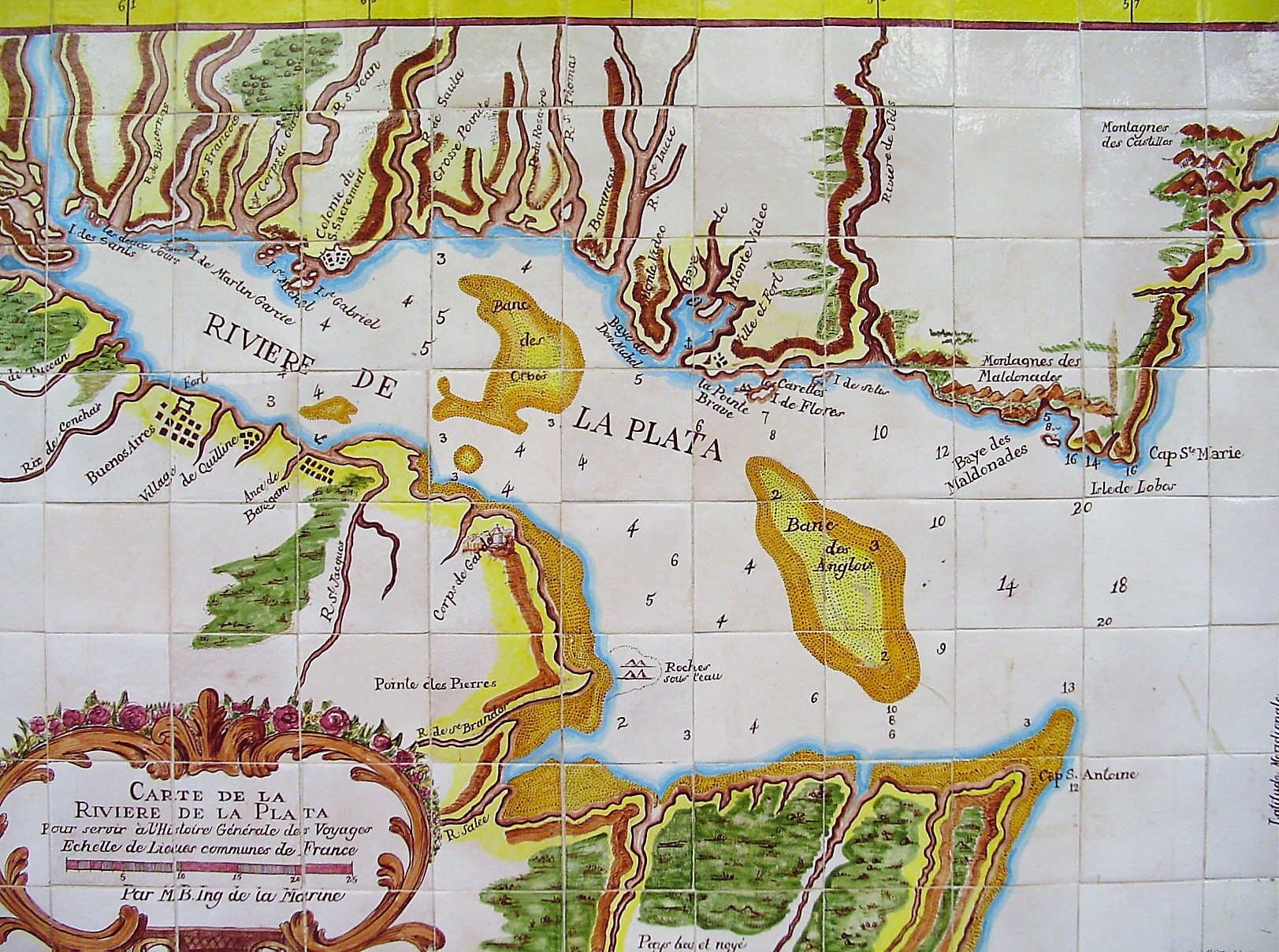 Why would I want to go to Uruguay? This was the question posed to me by just about everyone to whom I mentioned my trip. Why not go to Argentina? they asked. Well as just about everyone knows I like to take holidays that are a little different. I do not necessarily want to go to someplace that everyone else is going. However, looking up some statistics, I came across a website that said that Uruguay receives more international tourists than Argentina, Brazil, and Chile. This actually left me rather puzzled. Really? Where were they hiding? But I think I may know how this happens, if you count every Argentine that goes over for a weekend of shopping, then Uruguay may indeed have more “tourists.” I’d be willing to bet that 80-90% of tourists to Uruguay are Argentine or Brazilian, another 10% are the international jet set and celebrities a la Naomi Campbell, Leonardo di Caprio, and Claudia Schiffer that descend on glitzy Punta del Este in the summer.


 Following our epic adventure to Lapland (


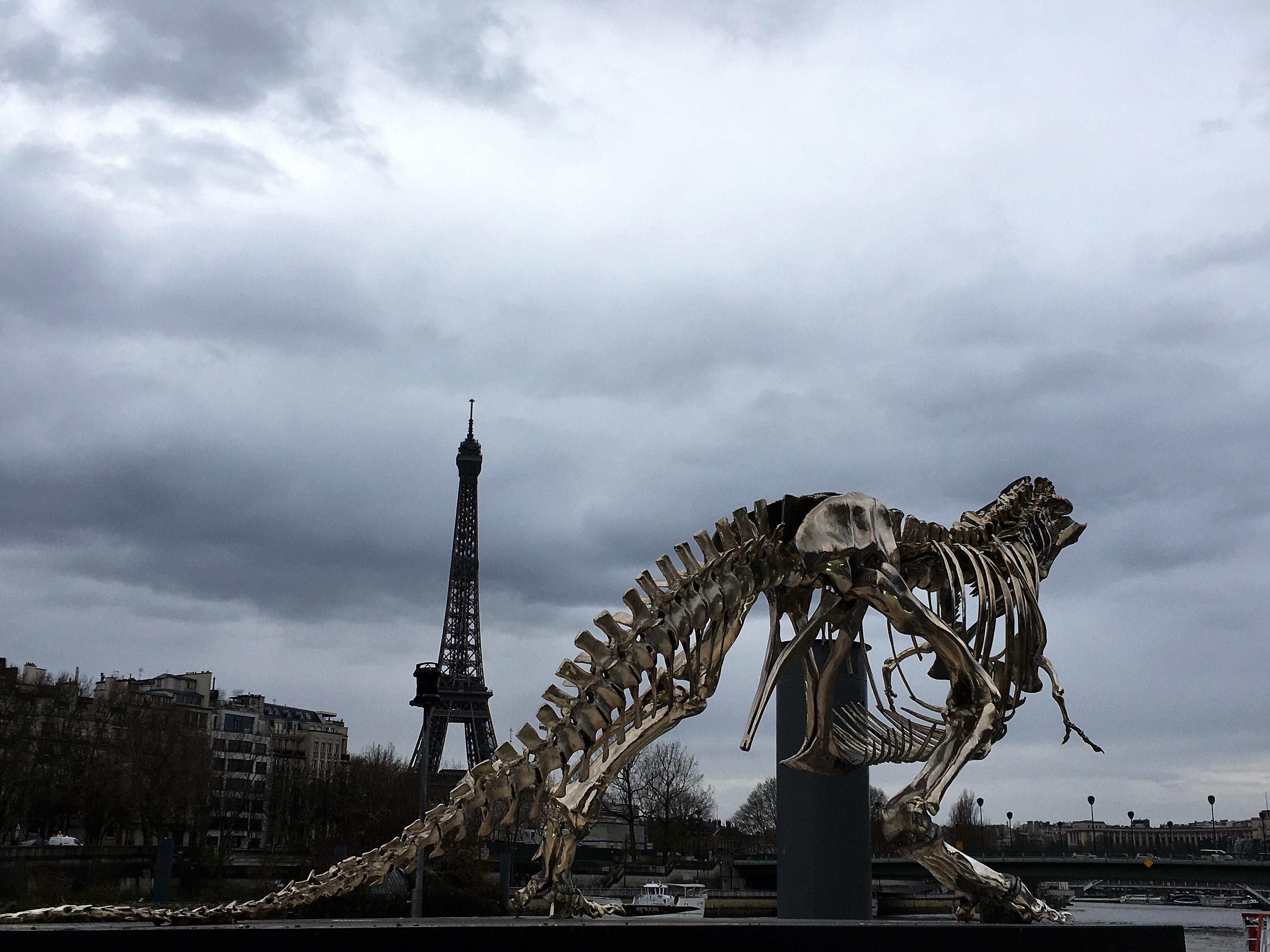

 The market was fun, festive, and chock full of many, many goodies. C wanted to play fairground games as I have only once before let her do so. After many, many tries she finally won – a cellphone holder. Ha! And then we hopped aboard the Roue for a few spins with a different view. This time we could look over the Tuileries, the Arc de Triomphe du Carrousel, the Louvre, and the grand buildings along the Rue de Rivoli, again also with spectacular afternoon sunlight. And as we left the market to head back to our hotel a double rainbow appeared. It was a glorious end to an overall wonderful trip.
 Rovaniemi. Fourteen months ago I had never heard of this small city located just four miles south of the Arctic Circle in Finland’s northern region of Lapland. Yet after months of planning and expectation, the name began to roll off my tongue and also come to mean grand adventure.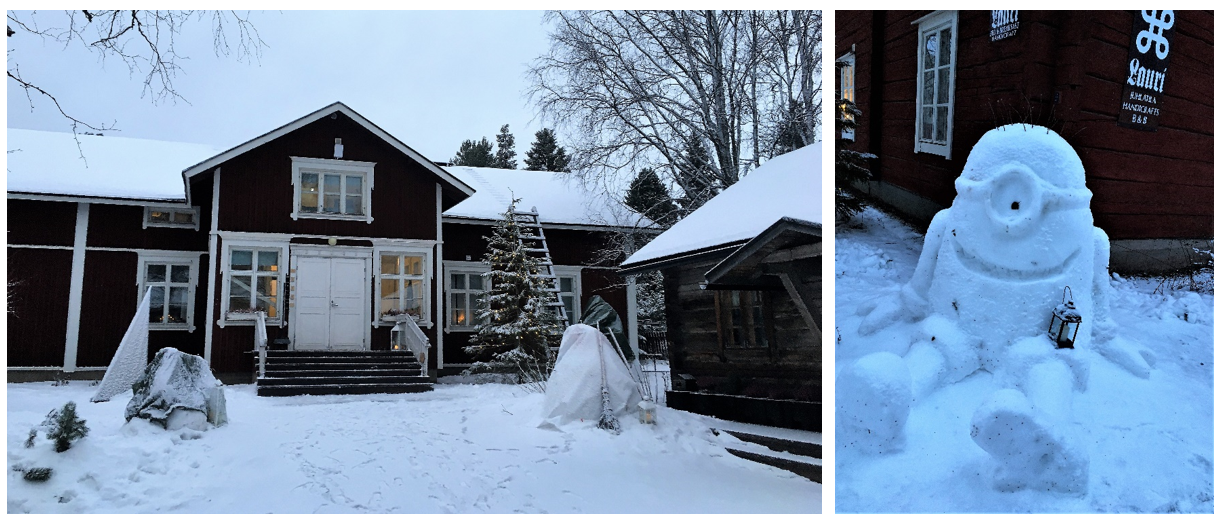


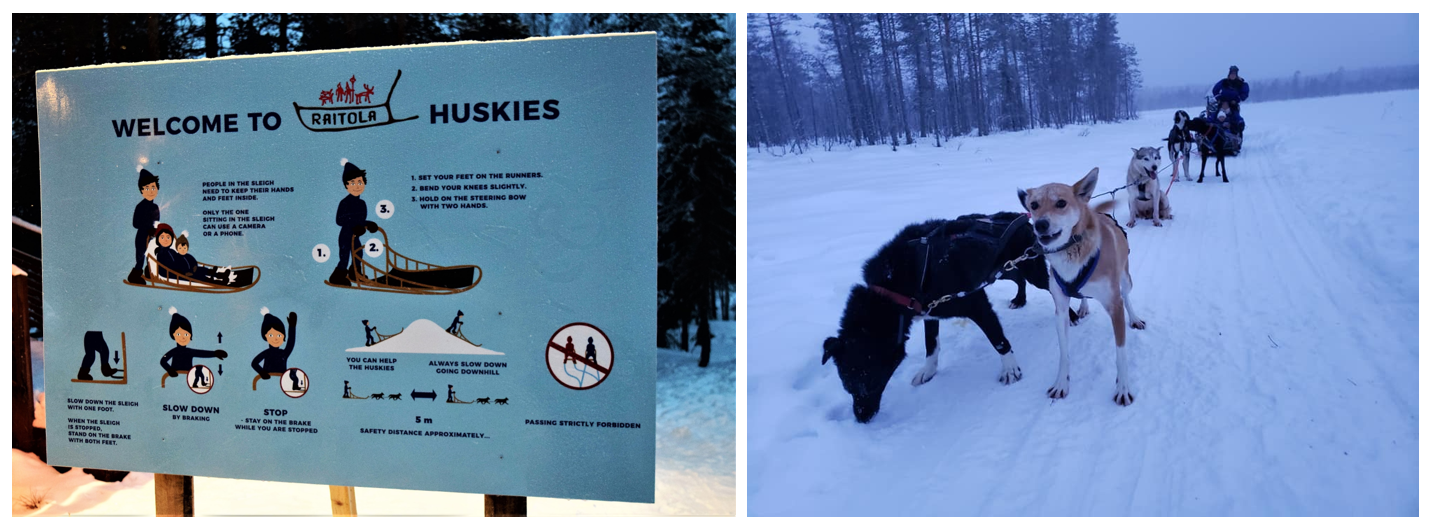
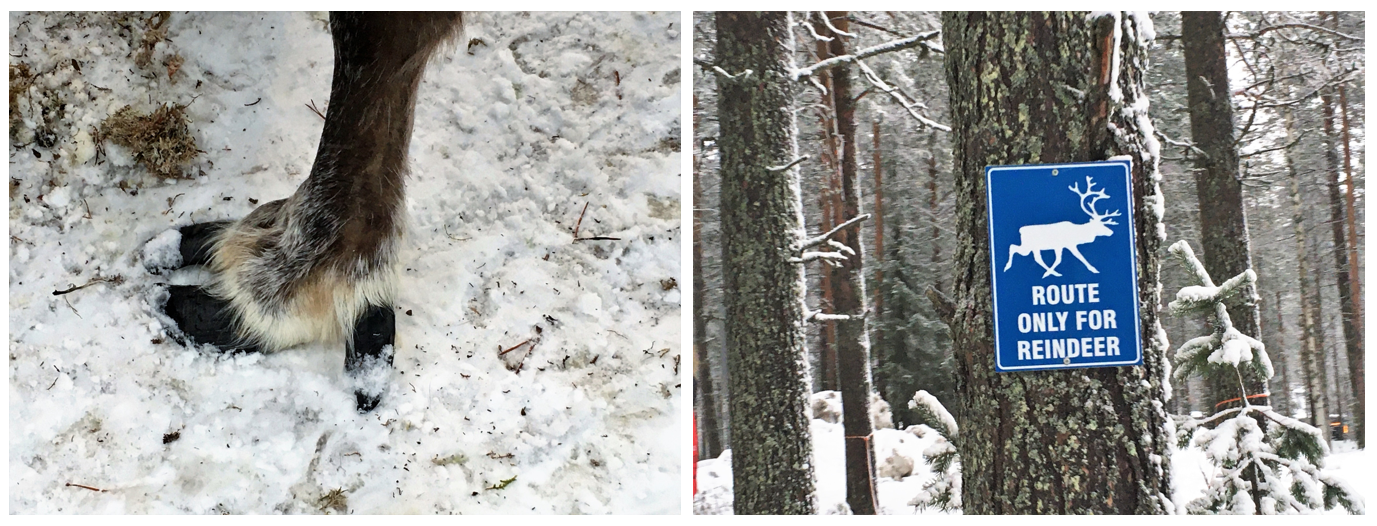


 About 14 months ago, while chatting online with one of my best friends CZ, she happened to mention her interest in taking her son Little C to Rovaniemi, the small city in northern Finland, in the region of Lapland, known as the Official Hometown of Santa Claus, around Christmas. She had just read an article about it. Funny thing is, I had also just read a similar article and had stayed up late researching the possibilities just the night before. We went back and forth a few times – excitedly discussing the possibilities, sending one another links to possible activities and lodging – but then it fell out of our conversation. Lapland seemed really far away, further away than just time and distance. Nonetheless, the seeds of this adventure were planted.




 We had one last dinner and breakfast together before beginning our slightly stressful race against time to get D&D to the airport for the first flight on the way back to California.
 The Wanderlust Diaries