Twenty-one weeks after the Embassy went on alternative telework as a Covid-19 mitigation measure and 24 weeks since we last took a trip outside of Lilongwe, we were once again able to venture outside the capital for day trips. We still needed to limit our interactions, liberally wash our hands or apply antiseptic, and wear face masks, but for a first time in a long time we could drive further than the exciting (dripping with sarcasm) 10-20 minute drive to the supermarket. For those in developed countries this simple change in our restrictions might not seem like much. For those that have access to national, state, and city parks near your home or other venues such as skateparks, waterparks, amusement parks, cultural parks, indoor parks, cinemas, shopping malls, museums, playgrounds…or even those ubiquitous things in developed cities and suburbs where one can stroll without being in the street, you know, sidewalks. Well, just imagine if none of those were available to you. Then you might get an idea of what it might be like to hang out in Lilongwe — not just in a pandemic, but all the time.
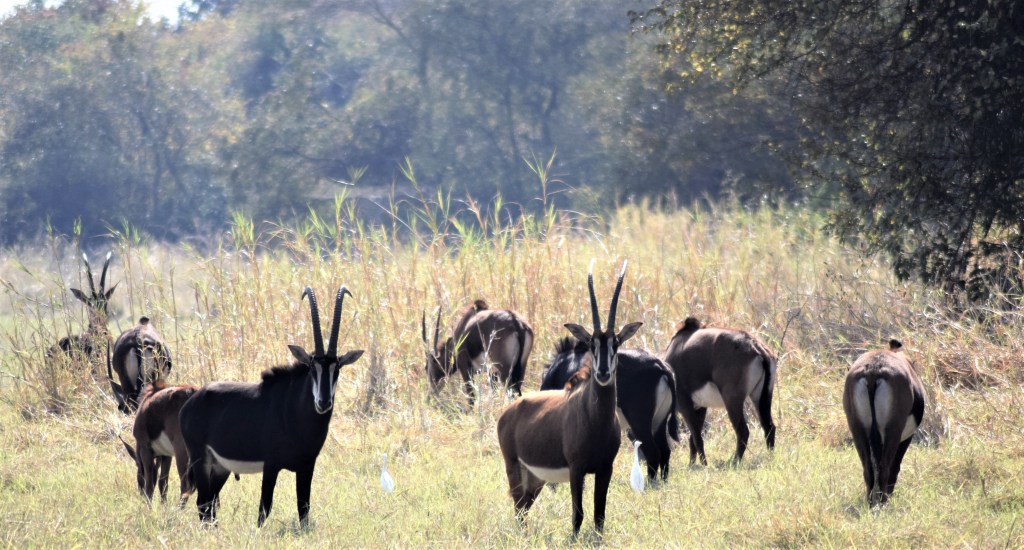
And then suddenly after half a year we could leave the city, do more than work and school from home with occasional outings to the office or the grocery store. I immediately set about organizing a day getaway to Kuti Wildlife Reserve with good friends. And we were like horses chomping at the bit eager to bolt at the starting gate. We packed up our picnic items and headed out on the 90 minute drive along the M14 toward to Salima. At Kuti, we drove through the reserve looking for animals and came across a few baboon, bushbuck, and sable antelope. We didn’t see many animals but we had a lot of fun anyway. Back at the reception lodge we unpacked our coolers, bought some drinks, and sat back with each other in their open-air dining area for some lunch. We were just so happy to be somewhere other than our own homes in Lilongwe.
Just before leaving the Reserve, we popped over to the Sunset Deck (even though it was not sunset – as we are not allowed to drive outside of the capital after dark), as it overlooked a watering hole. There were a few birds but nothing else…until my friend AS looks out in the distance, and, I kid you not, spots the Reserve’s sole giraffe at least half a mile away in a treeline. We drive over, park, and after a short walk through the trees emerged onto grassland standing some 15-20 feet from a herd of zebra, sable antelope, and the giraffe. Icing on the cake.
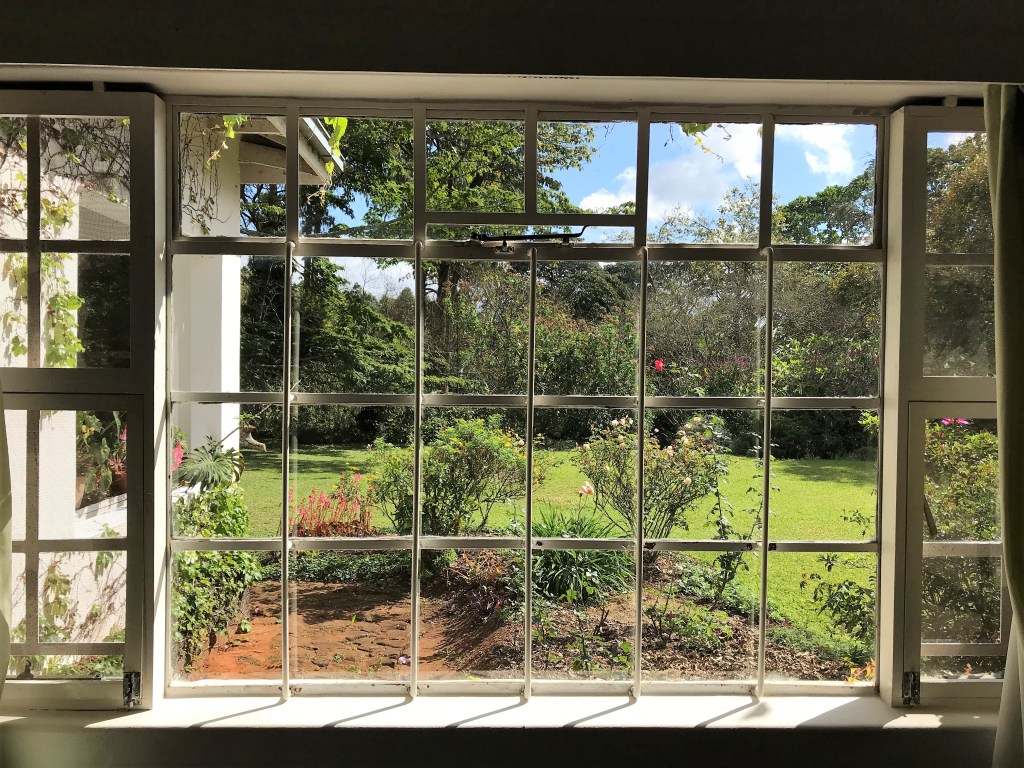
After that weekend, the Embassy announced we would be able to take overnight trips again, though still with restrictions (only self catering or takeaway), and I knew I had to find something, somewhere for the Labor Day weekend. A little over a year before, friends and I had planned a getaway to the self-catering Chawani Bungalow at the Satemwa Tea Estates over the 2019 Memorial Day weekend. Unfortunately, the lead-up to Malawi’s general elections that year made it quite clear that in my position, I would not be going anywhere at the time (indeed I ended up working nights and through the weekend). I talked with my friends and they were game, then checked with the Estate and it was available, and I began planning again.
It is a five hour drive from our part of Lilongwe to the Satemwa Tea Estate in Thyolo District, in the deep south of the country. Previously, when I made the trip with my aunt we made a few stops along the way, yet this time we made only one short stop at the Chikondi Stopover – a well known shop and bathroom break approximately halfway between Lilongwe and Blantyre. Otherwise, we were on a mission! And after only those short drives to the store or the Embassy for months on end, that five hour drive to the tea estate went by in a flash.
C and I had been to Satemwa before, but our friends had not yet been, so we were eager to share this wonderful place with them. The Chawani Bungalow, an historic tea planter’s cottage, is nestled within the heart of the Satemwa Tea Estate, between tall trees and verdant rolling hills of tea shrubs. Its expansive gardens full of flowers and its lawn a massive tree perfect for kids to climb.
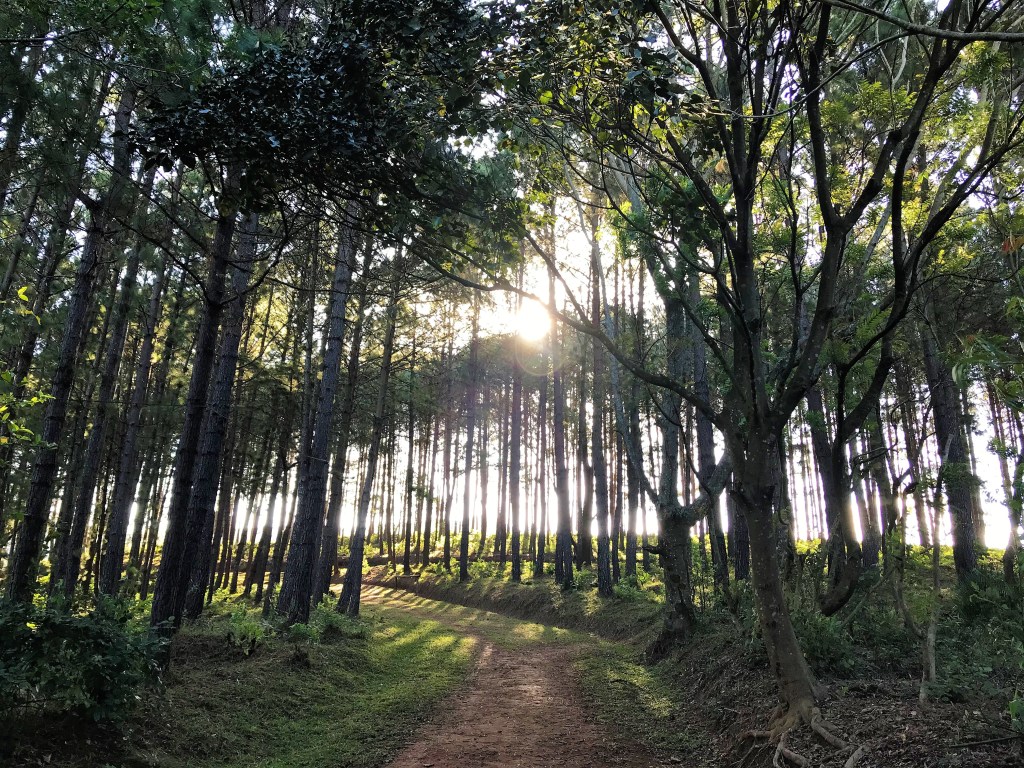
We did little. We made and ate meals together. The kids ran or biked around the yard and jumped into the pool — even though a final Malawian winter cold snap had dropped the temps to not-pool-weather-chilly. We went for walks along wooded paths, along the red-dirt lanes, among the tea. We gathered in the main living space before a warm fireplace with tea and chatted. We fired up the braai (southern African for grill) for a family-style picnic. We had high tea on the lawn of Huntingdon House and took the kids on a scavenger hunt. The kids climbed trees and fed the fish at the Huntingdon House pond. We got to know one another.

For the first time in a long time I felt “normal.” Seeing and being with other people face to face (not on Zoom or Google Meet calls), without masks, just enjoying one another’s company. And, of course, being away from Lilongwe, having a change of scenery.
Returning to work that week I did feel let down. That taste of almost pre-Covid normalcy, of a holiday, that had been so sweet on my tongue over the weekend turned a wee bit bitter. I longed for more. I had not had more than a single day off since our winter wonderland trip to Europe the previous December, and pre-Covid feels so very long ago.
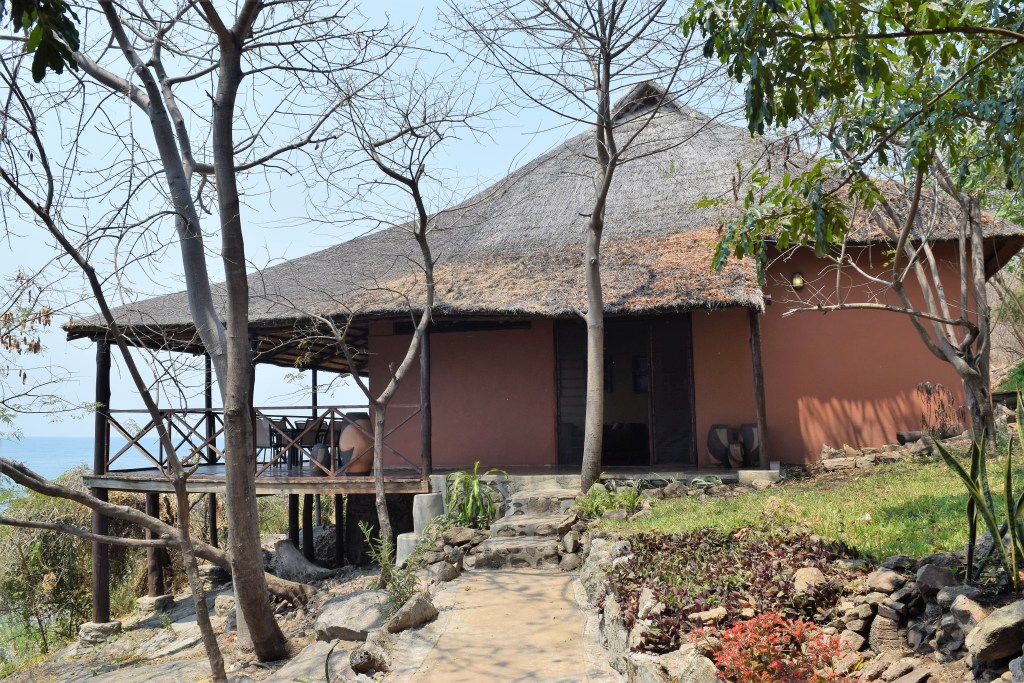
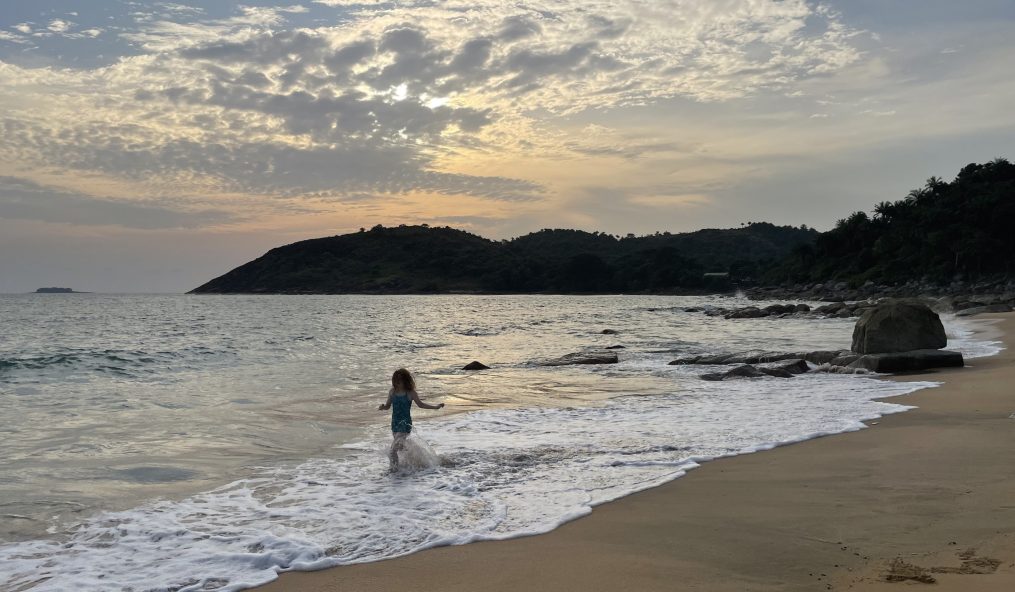
Luckily I anticipated just such a post-getaway pandemic funk and had organized yet one more mini vacation with friends for the weekend after. This time, we headed to Blue Zebra, a small lodge on Nankoma Island, part of Marelli Archipelago, within Lake Malawi National Park. Just 15 minutes by speed boat from the shore, its like a world away.
Bumping along the choppy waves — and yes, Lake Malawi has waves, its a huge lake (3rd largest in Africa and 10th largest in the world) — we laughed and felt a carefree-ness we had not felt in awhile. I had booked the largest guest chalet on the island for myself, my daughter, her tutor, and tutor’s sister (who all live at my friend’s home — the daughters of her housekeeper — thus within our Covid isolation bubble). We had been so few places this year I was fully embracing the “go big or go home” philosophy. The large cottage has two bedrooms, a living room, dining room, and wrap around porch with another large dining table. With all these tables we were able to have all our meals together at our Cottage instead of in the Lodge’s dining area. The things we have to think of to travel in the time of Covid…
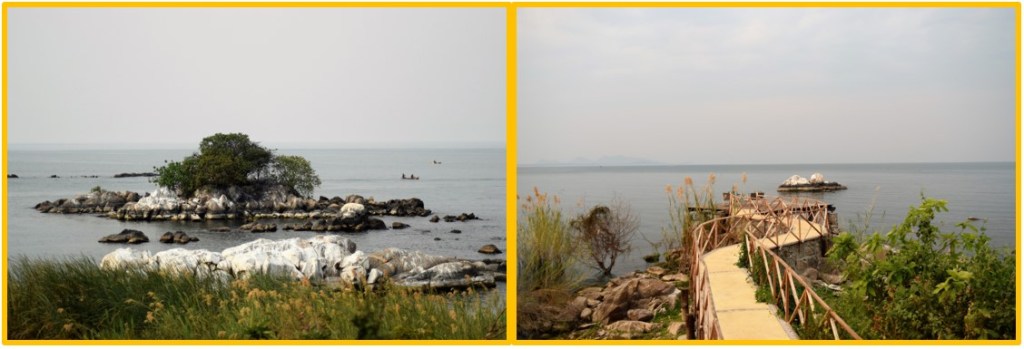
We tried to make the most of our time — trying to find that balance between relaxation in a new setting (just listening to the lapping water) and having fun. We spent time at the pool, hung out in the game room playing billiards (well as well as one can with adult amateurs and children) and trivia, talking and game playing at meals, and kayaking. We had just over 24 hours on the island — arriving around 11:30 on one day and leaving at 2 PM the following. It was too short of time.
It was a great getaway– absolutely. Even just the two hours in the car each way singing to our CDs (yes, CDs, because I have a 2006 Japanese vehicle that picks up only one Malawian radio station, and internet data roaming is poor), was wonderful. But I will say that the Monday after that last trip, my mood dropped precipitously. To take these trips I took no time off.

Limited commercial flights returned to Malawi on Saturday, September 5, the first such flights since the borders closed to all but special charter flights or buses since April 1. But restrictions remain — limits to the number of interactions with others, mandatory mask usage, and no dining-in at restaurants domestically, and Covid testing and quarantines for international arrivals, for example. I am so grateful that we did have a chance to get out with friends, though I am desperate for more travel freedoms. Still, we may not have sidewalks or amusement parks, but what Malawi does have is pretty spectacular.