Guatemala December 2005: Lost Memories of Antigua, Copan, and Tikal

This is the third and final installment of my trip to Guatemala in December 2005–January 2006. Because I never got around to typing up a travelogue of this last stretch, I have had to rely on my photos, a few brief diary entries, and my own Swiss-cheese memories from more than twenty years ago.
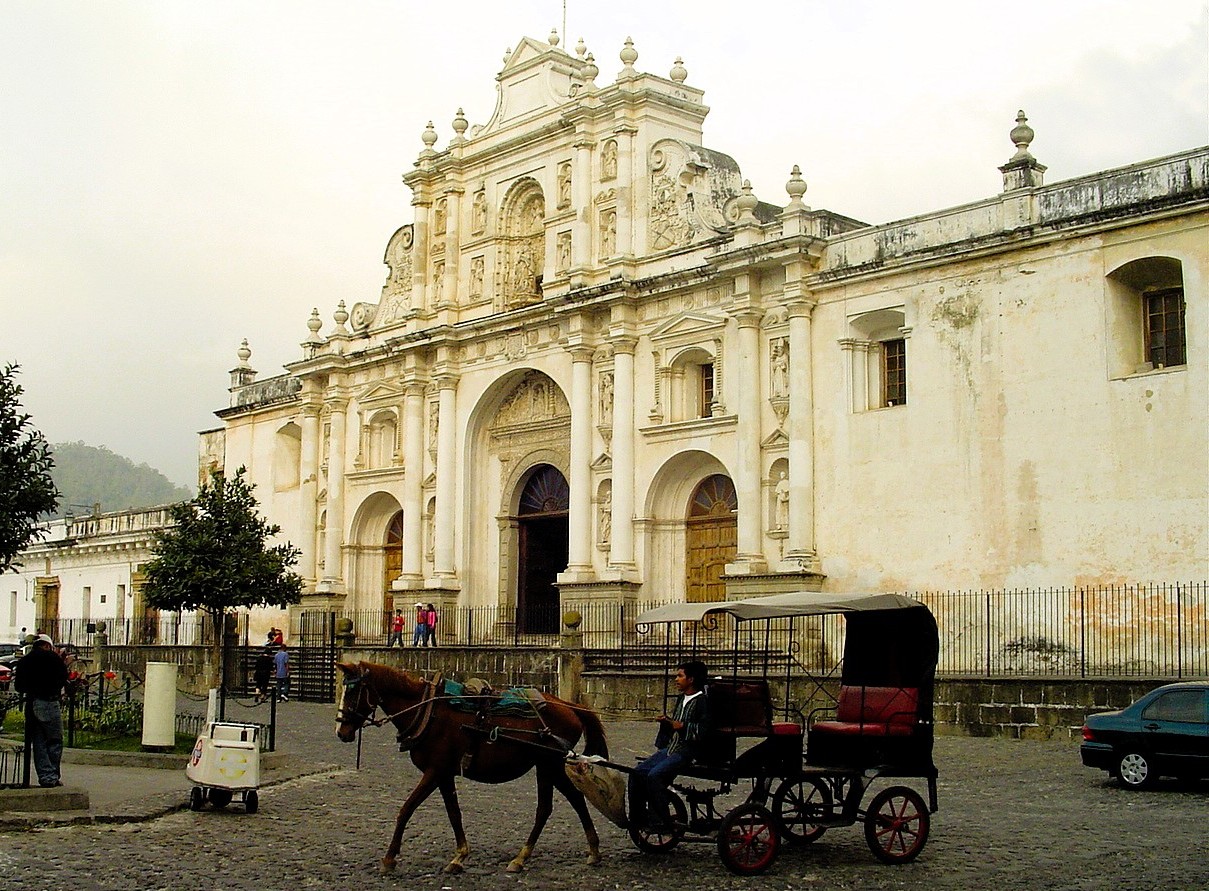
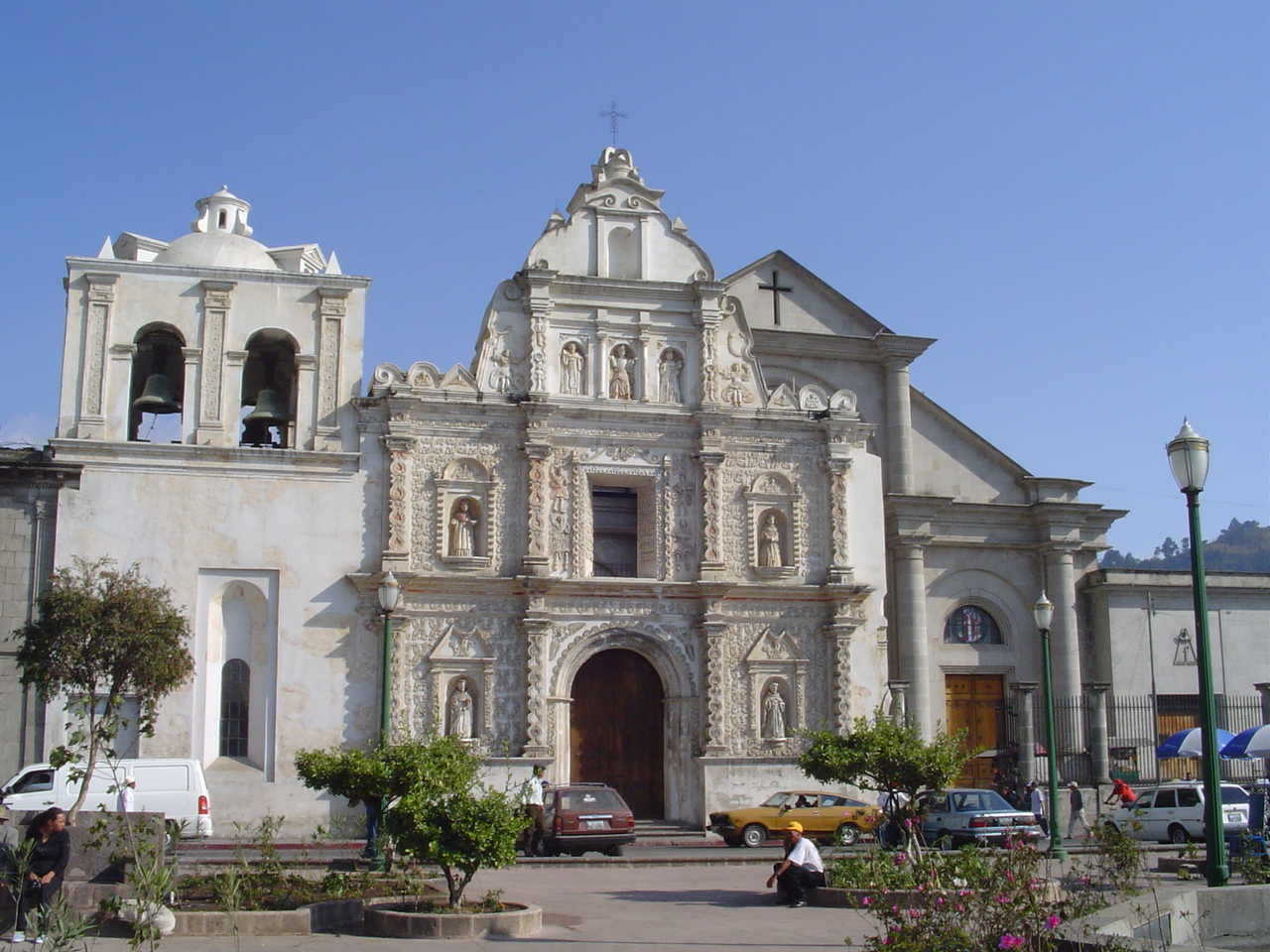
The Iglesia de La Merced in Antigua, Guatemala

After returning from the Tajumulco Volcano trek to Xela around 5 p.m., I took a room at Quetzaltrekkers, the guide company, simply because I had no energy to look elsewhere. I grabbed an early dinner and fell into a deep, heavy sleep.

I let myself sleep in the following day—well, until about 8 a.m. After being up before 5 a.m. the previous two days, this felt positively luxurious. I caught another chicken bus for the three-hour ride to Antigua, the former colonial capital of Guatemala and a UNESCO World Heritage Site, where I would ring in the New Year.

All I really did in Antigua was walk. I wandered the historic streets and soaked in the atmosphere. The city is an architectural wonder, full of 17th- and 18th-century Spanish Baroque buildings, many of them worn but still elegant. When my legs grew tired—which they did, especially so soon after the Tajumulco hike—I sat in the plazas and watched people, or grabbed street tacos and devoured them on park benches.

Given that my arrival coincided with New Year’s Eve, it is something of a miracle that I found a place to stay at all. It seemed that much of Guatemala, along with a large percentage of the tourists in the country, had converged on Antigua. Still, I lucked out with a simple place right in the center of the old city, with all the main sites within a stone’s throw.
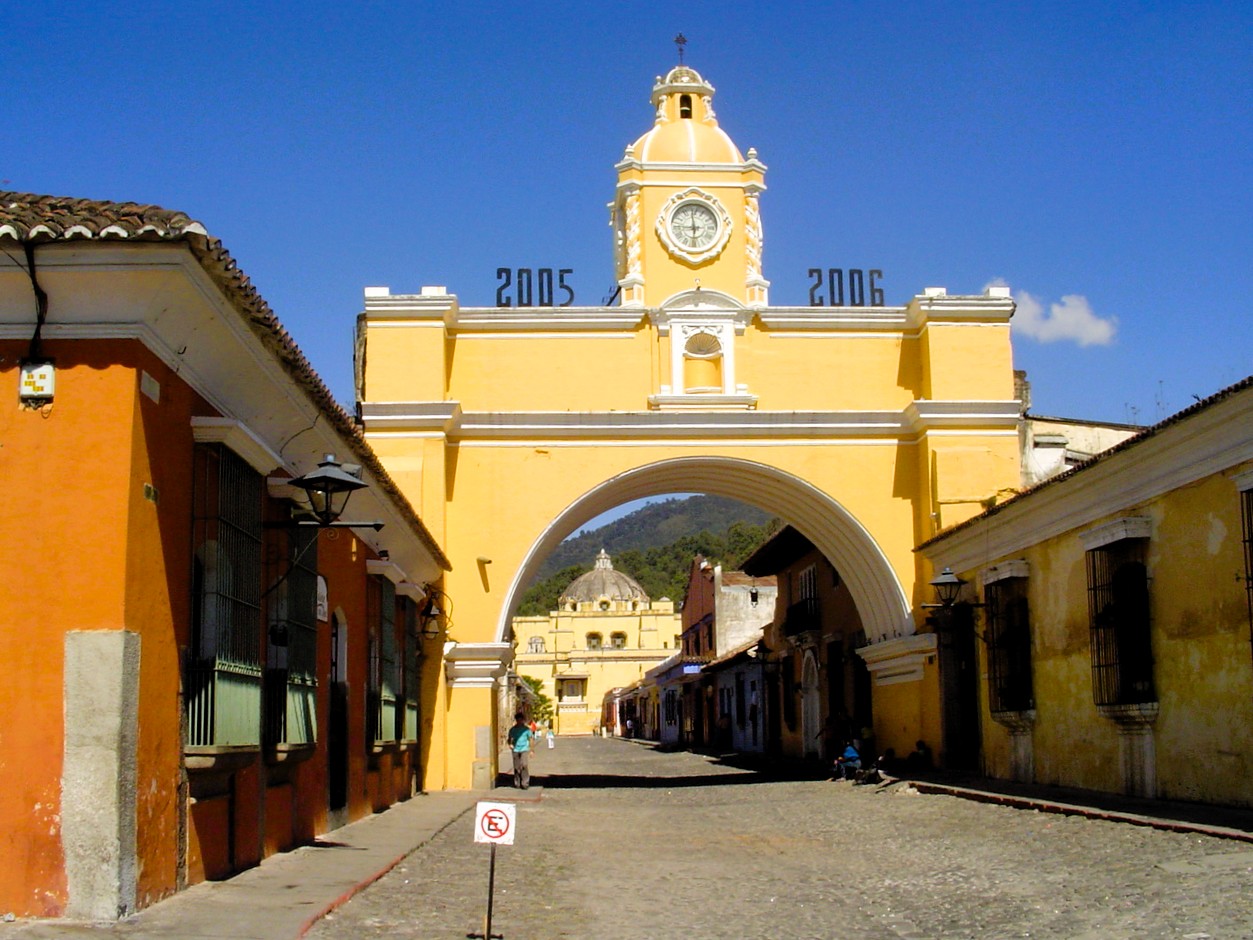
The Arco de Santa Catalina in Antigua, Guatemala, for the 2005-2006 New Year’s festivities

I wish I remembered visiting all the beautiful sights captured in my photos, but unfortunately, I do not. What I do remember are streets crowded with happy visitors, a street performance near the Arco de Santa Catalina that had the crowd in stitches, watching horse-drawn carriages clip-clop by, and eating what may still be the best street taco of my life from a small vendor set up near Central Park in front of the Cathedral.

I didn’t make it to midnight. I rarely do. The long days of active sightseeing had absolutely caught up with me, and around 9 p.m. I dragged my very tired self back to my room and fell asleep. Not even the sound of firecrackers throughout the night managed to wake me.

The first day of 2006 found me once again wandering the streets of Antigua, which were noticeably quieter and less crowded than the day before. I visited the ruins of the Convento de Santa Clara, the Convento de la Recolección, and the Convento de las Capuchinas. As open-air ruins, they were accessible on the holiday, and I had them mostly to myself. With plans to move on the following day, I once again went to bed early.
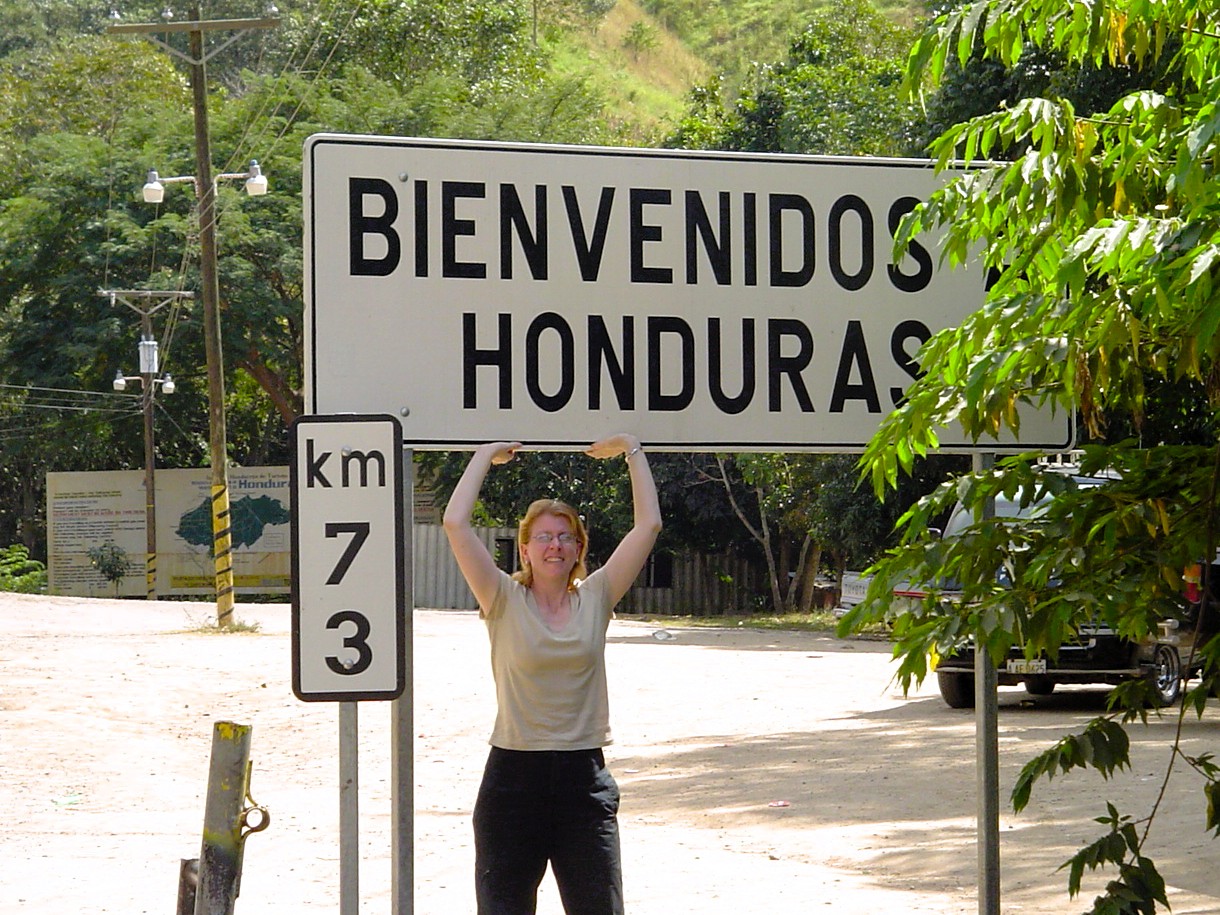
On January 2, I was up very early to catch a 4 a.m. bus that would take me across the Honduran border to the town of Copán. The bus ride itself took about six hours, but this did not include the two and a half hours spent waiting at immigration. I do not remember what took so long, and perhaps I never really knew. More likely it was the usual combination of understaffing and bureaucratic red tape that anyone who traveled regularly back then would recognize.

I had come to Copán to visit Copán Ruinas, a UNESCO World Heritage Site and once-powerful Mayan city-state at the southern edge of the Mayan world. The site is known for its artistic sophistication, with intricately carved reliefs, stelae, and statuary. Once again, I had the place almost entirely to myself, which felt especially delicious after the crowds of Antigua and Xela. There were no pushy guides—no guides at all that I can recall—and while it might have been helpful to understand more of what I was seeing, I happily wandered the ruins alone for hours, accompanied only by peccaries and scarlet macaws.

I had originally planned to stay just one day in Copán, but after such a long journey, I decided to remain another night to rest. I signed up for a horseback-riding tour through the countryside to give myself something fairly gentle to do. I had the guide all to myself, and uncharacteristically, I stayed quiet, lost in my own thoughts as we followed the Copán River and rode into the hills above town.

We stopped briefly at Hacienda San Lucas for a drink and the view, then continued on foot into the forest to see Los Sapos—a group of large Mayan stone carvings of animals, most identified as sapos, or toads, associated with fertility rites. We also passed through a small village where I was a big hit with the local children before riding back into town.
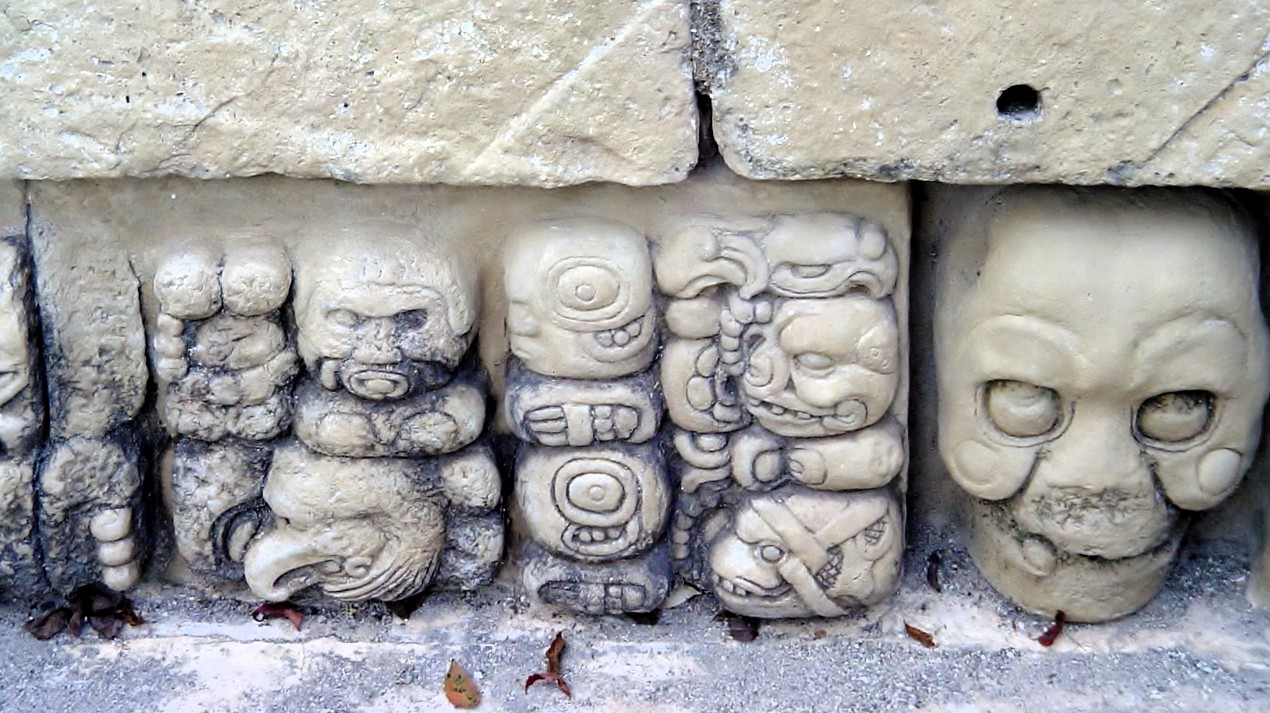
Some of the incredible carvings to be found at Copan Ruinas

I spent the remainder of the day organizing onward transport and wandering up and down Copán’s hilly, cobblestoned streets.

The next morning, I was up early once again. I had another very long travel day ahead of me as I crossed back into Guatemala. The border crossing was mercifully faster this time, which was good, as we still had at least eight hours of driving ahead of us to reach Flores, in the far north of the country.

I don’t remember much of that journey, and perhaps that’s for the best. It was sunny and warm, everyone seemed in good spirits, and for reasons I still don’t understand, the driver never collected my fare. I only realized this after being dropped off in central Flores, with a pocketful of Honduran lempiras that were now completely useless.

Because we departed Copán at a more reasonable hour, I had more sleep, but I didn’t arrive in Flores until late afternoon. There was little to do but find a place to stay, eat, stock up on snacks, and make a plan for the following day.
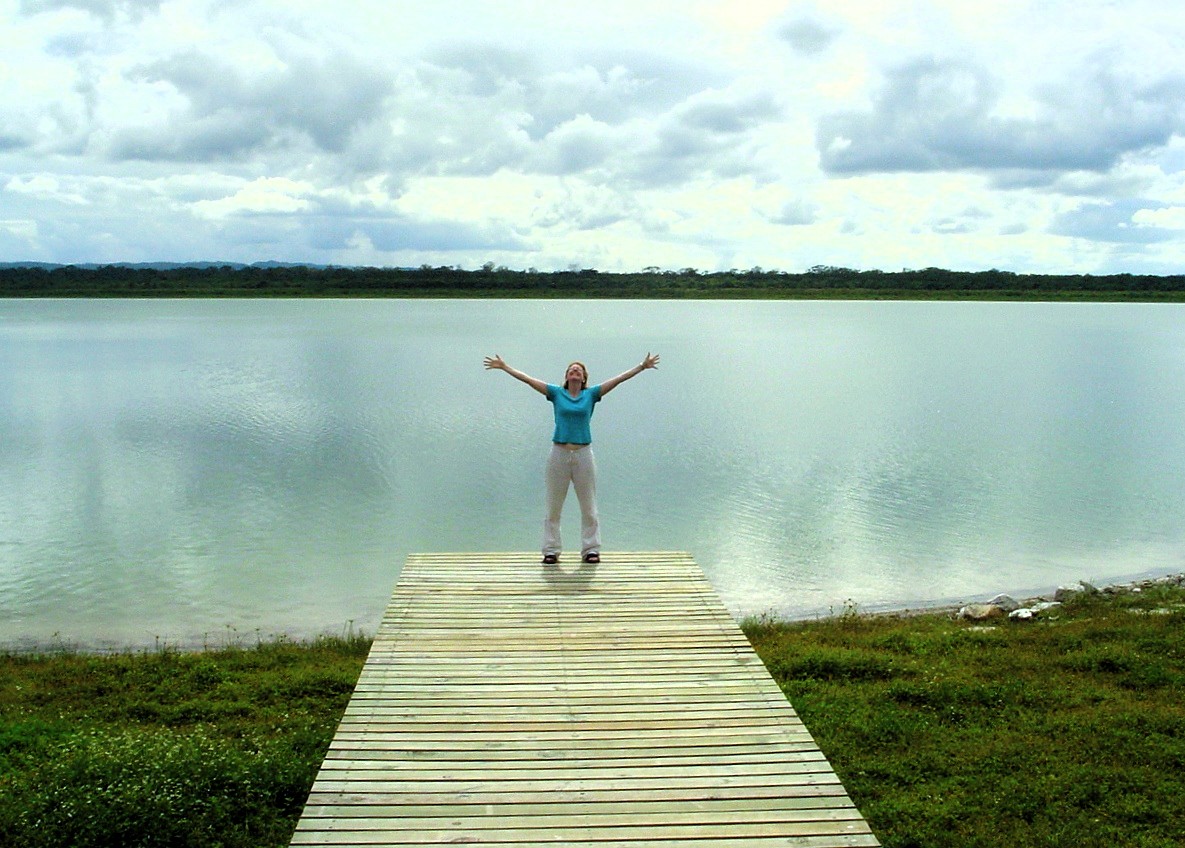
I was convinced a croc would launch itself at me from the depths of Lake Yaxha

I visited the Yaxhá Archaeological Site, the third-largest Mayan site in Guatemala, about two hours from Flores by bus. Yaxhá receives far fewer visitors than nearby Tikal, and once again I found myself among only a handful of tourists. The site is less excavated, with many smaller temples still wrapped in jungle, vines, and tree roots—reminding me a little of Angkor Wat.

Yaxhá sits near a lake, and from the top of its tallest structure, Temple 216, there is a sweeping view across the rainforest canopy and out toward the horizon. I sat there for a long while, listening to howler monkeys below and thinking about history, culture, and nature.

Later, I wandered down to the lake and stepped onto a long pier. Only a few months earlier, the television show Survivor had been filmed there. I knew crocodiles lived in those waters, and although I didn’t see any, I felt distinctly uneasy standing at the edge. I asked another traveler to take my photo, put on my bravest face, and then quickly scampered back to terra firma.

The following morning, I boarded the 5 a.m. shuttle bus for another long ride—this time to Tikal. Once a thriving Mayan capital with a population of perhaps 100,000, Tikal is astonishing in scale. With more than 3,000 structures, it is one of the largest Mayan cities ever built. Temple IV, at roughly 230 feet, is the tallest standing Mayan structure.

Tikal is popular, and unlike Copán and Yaxhá, I had plenty of company. After several days of solitude, I didn’t mind. Tourists are allowed to climb many of the pyramids, and standing in the Great Plaza, surrounded by immense stone structures, one feels dwarfed by history. Sitting atop a pyramid and watching tiny figures move below, I felt strangely grand myself.
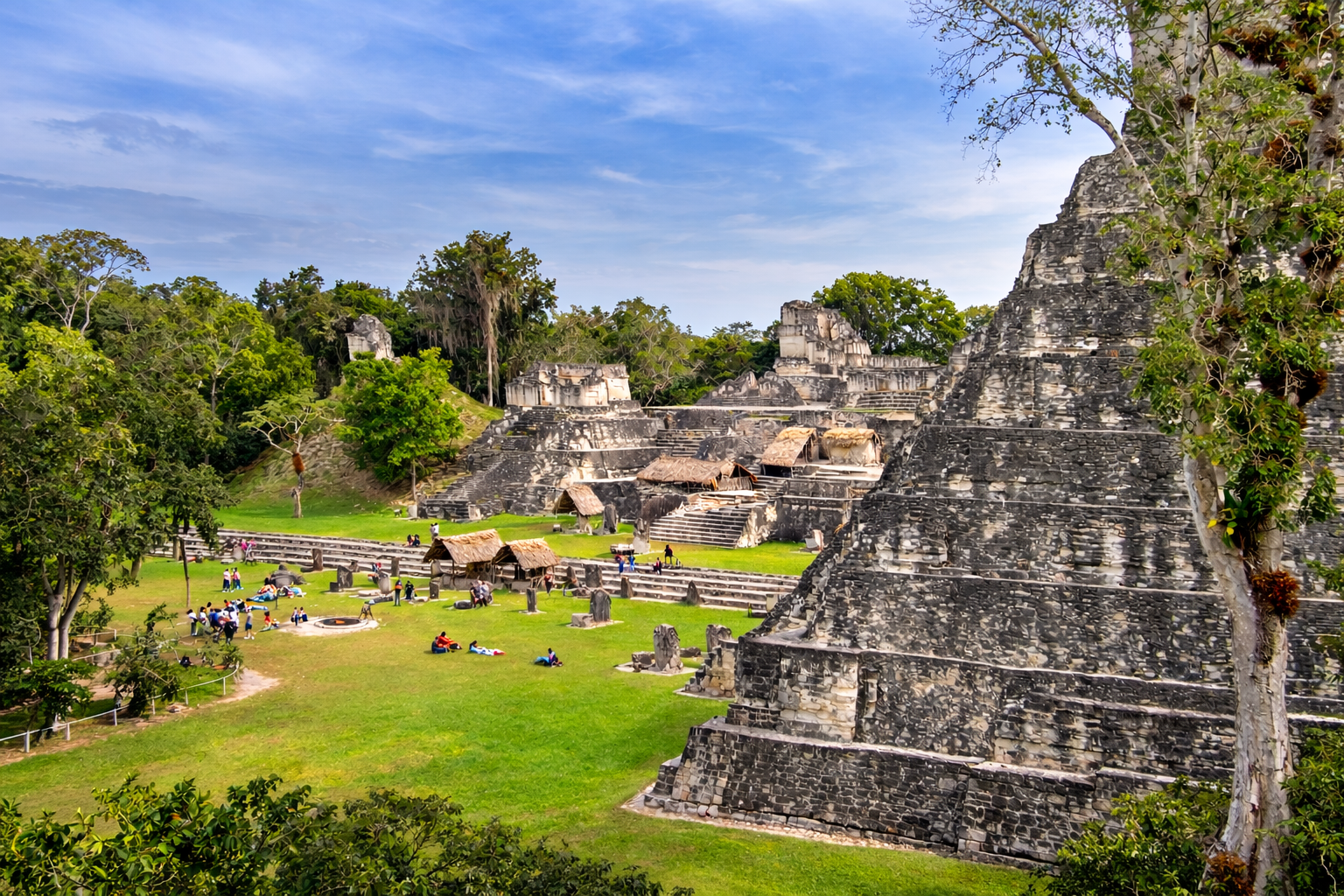
The Grand Plaza at Tikal

When the crowds became too loud, I wandered onto quieter paths toward smaller temples. I saw monkeys, macaws, and even a few coatimundis. At one point I realized I had been alone a little too long and began imagining a jaguar around the next bend. That was my cue to head back.

I spent hours exploring before catching the 4 p.m. shuttle back to Flores, arriving just in time for dinner and another early night of deep, exhausted sleep.

On my last day in Guatemala, I avoided long bus rides and flew from Flores to Guatemala City. With only part of the day left and thoroughly worn down from so many early mornings and long walks, I stayed close to town.

The flight was thankfully unremarkable. I spent one night in a gated guesthouse with bars on the windows. After two weeks of travel with little thought to security, the precautions were jarring. I stayed inside all evening. The next morning, I went to the airport early and flew back to the United States.
Guatemala December 2005: Xela and Tajumulco

This is the second post about my December 2005 trip to Guatemala.

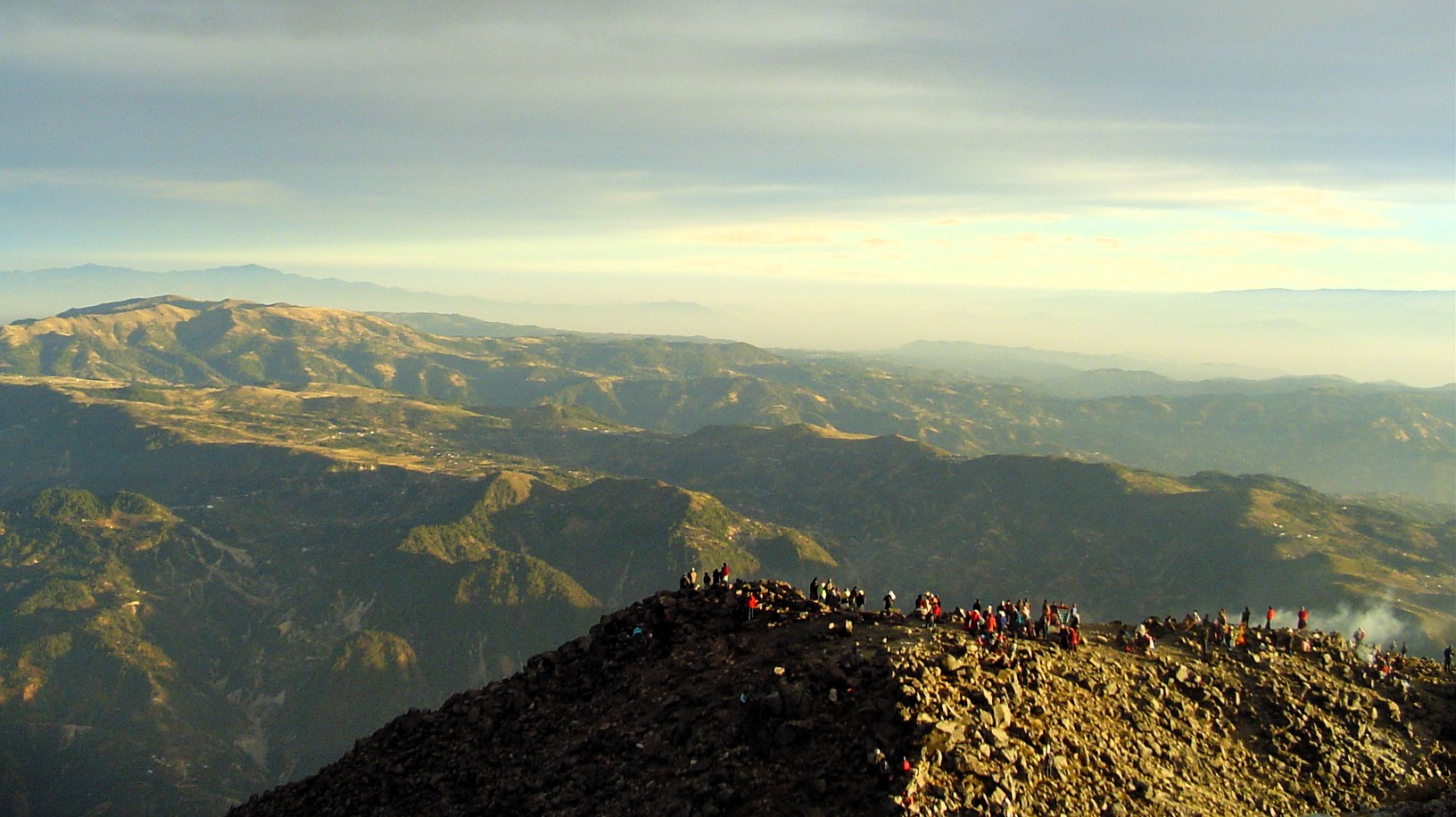
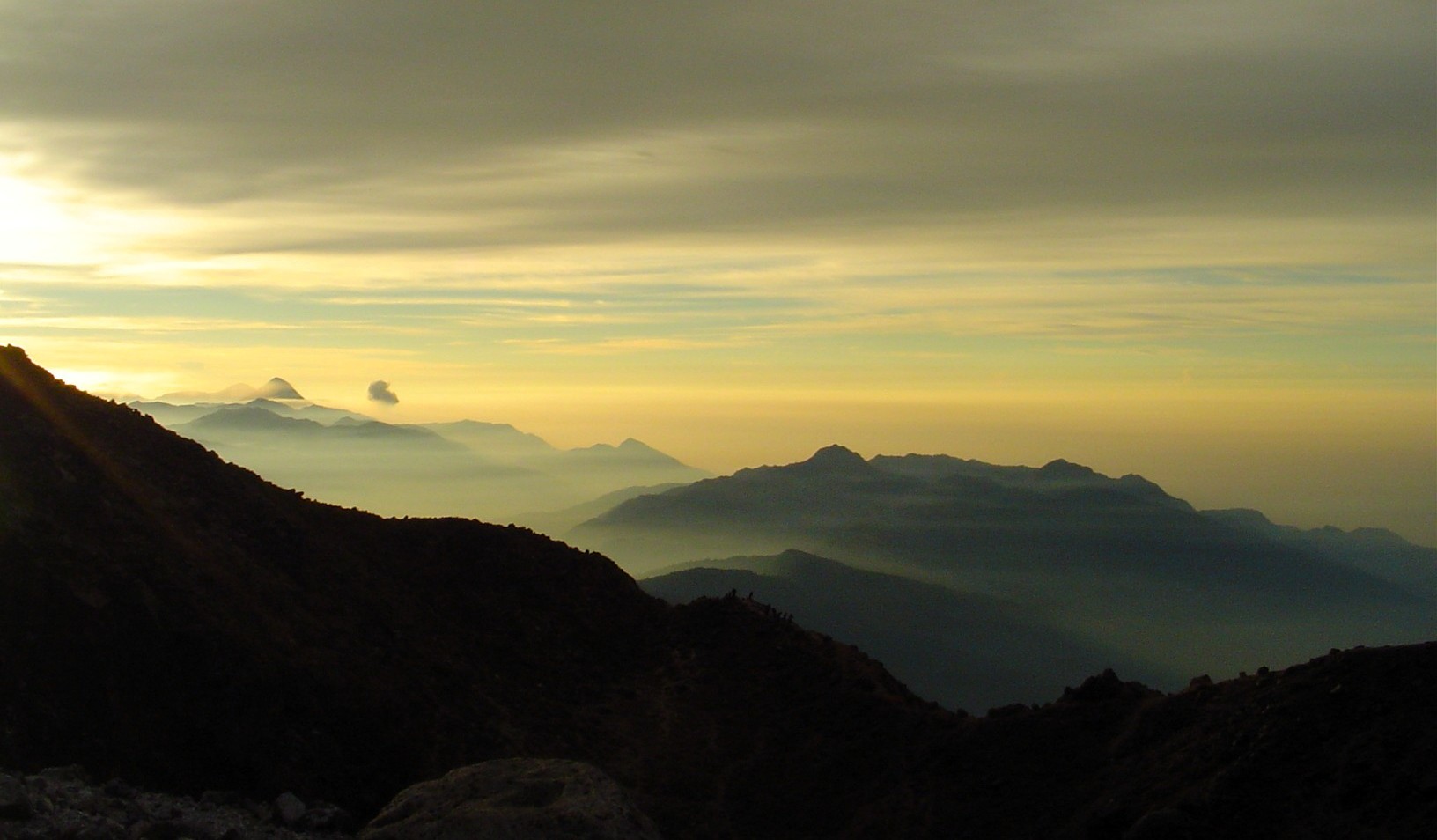
Earliest rays of sun at the top of Tajumulco Volcano

I decided to head to Quetzaltenango—Xela for short—early instead of staying in Pana another day. It is always tricky, the first day or so: with only limited time to see a country, do I stay in one place that is nice or head to another place that might be nicer? I thought to move on.

The tourist shuttle bus would cost $20. That seemed crazy to me, since I had spent just over $2 to come on the “chicken bus” from Guatemala City. The chicken bus to Xela would cost exactly $2, and the shuttle lady’s best argument was that it would save me maybe half an hour. If this was supposed to scare me into parting with my money, it didn’t work. I took the chicken bus.

Right on time, the 8 a.m. direct chicken bus pulled up and I got on. It wasn’t even as cramped as the bus the day before. There were stunning vistas of dry, dusty villages, corn fields, and deep valleys. A little before arriving I realized I did not know where in Xela I would be deposited, and then I looked at the guidebook and discovered Xela is Guatemala’s second-largest city—and the bus station is nowhere near the center of town. Oops.

The stunning Xela Cathedral

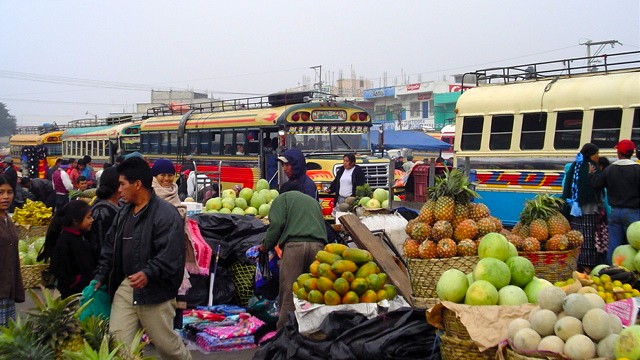
I hopped off at one of the most chaotic bus terminals I have ever seen. There were food stalls, handicrafts, and a smoking trash pile. A taxi driver told me it would cost 30 quetzals to the center. That was highway robbery to me, twice as much as my two-and-a-half-hour ride had just cost. I pushed on through a maze of shops and a huge market and finally found microbuses—busitos—that would take me to the center for one quetzal. I patted myself on the back for not giving in.

I found my way to a small hostel, deposited my bags, and set out to explore Xela. That took about ten minutes. Okay, maybe twenty. The main thing to see is Parque Centroamérica in the center, a small green expanse about the size of a soccer field, surrounded by neoclassical buildings. I sat on a bench in the sun and wrote in my journal. No one bothered me. One guy headed straight for me and sat next to me even with open bench space all around, but after a few minutes of me staring at my journal, he just got up and left. So different from my experience in Spain a few years before when such a guy would surely have tried to sit closer and grope me a bit before leaving.

Back when planning my trip to Guatemala, I discovered that within Guatemala’s borders lies Central America’s highest peak. Having recently returned from my less-than-successful (though fun) attempt at Mount Kinabalu, Southeast Asia’s highest peak, I thought I should give this one a try. I found Quetzaltrekkers, a non-profit run entirely by volunteers, with climber fees going to La Escuela de la Calle (the School of the Street), a school for poor children in Guatemala. Even better, they offered two-day trips up and down Volcán Tajumulco.

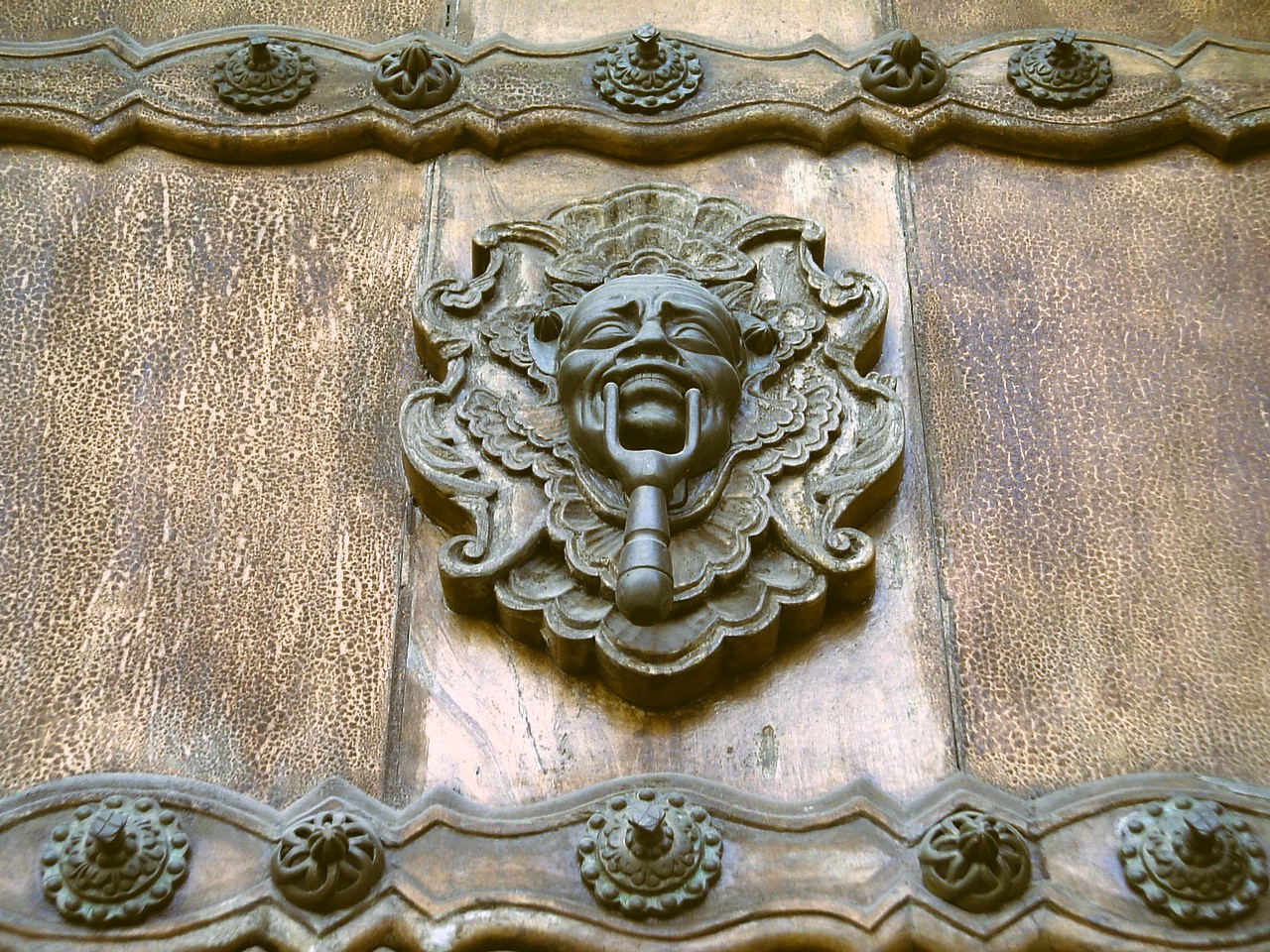
Intricate door knocker in Xela

Before the trek, I headed over to Quetzaltrekkers to confirm my registration. On the way there, an old wrinkled Maya woman about four feet tall beckoned me to a doorway. She wanted help getting down a step, which was probably a foot tall. I understood she wanted help, but when I went over and stood next to her, she grabbed onto me. She just used me to balance herself—and then she would not let go.

She gabbed away at me in Spanish, her little face shining with kindness. She asked where I wanted to go, and I told her Quetzaltrekkers; she told me she knew the way. It was hard for me to slow down to the pace of an old four-foot-tall woman, but she just smiled at me, clutched my arm, and prattled on. When we met people along the way, she would say look at me, and point to me, her friends laughing when they saw her on the arm of a tall blonde foreigner. She took me right to the door of Quetzaltrekkers, then held me by both hands, wished me a wonderful New Year, and pulled me down for a good hug. She was one of the best parts of Xela.

On Wednesday evening I met at the Quetzaltrekkers office in Xela to learn the basics. Tajumulco is 4,220 meters—13,845 feet. We would start our climb at 3,000 meters, where you can already begin to feel altitude sickness, and carry all of our gear up to 4,000 meters where we would camp for the night. There is no accommodation on the mountain.

I met our volunteer guides, Paul from Ireland and Irina from Bulgaria, plus an impressively international group: two Americans (yours truly included), a Canadian, a Japanese man, a couple from the Czech Republic, a couple from Germany, two Israeli soldiers, and an Irish woman.

Then came gear assignments. Everyone had a plate, spoon, and cup. I carried the spice kit—salt, pepper, cinnamon, Tabasco sauce, coffee, tea, sugar, and cream—and, famously, a bag of pasta that must have weighed a few pounds. We were told to buy at least 4.5 liters of water per person; I ended up with five liters. Since one liter weighs one kilogram, that was eleven pounds of water alone. Add the pasta and my other stuff and I was carrying about twenty to twenty-five pounds. That doesn’t sound like much until you realize you’ll be hauling it uphill for hours at 3,000–4,000 meters.

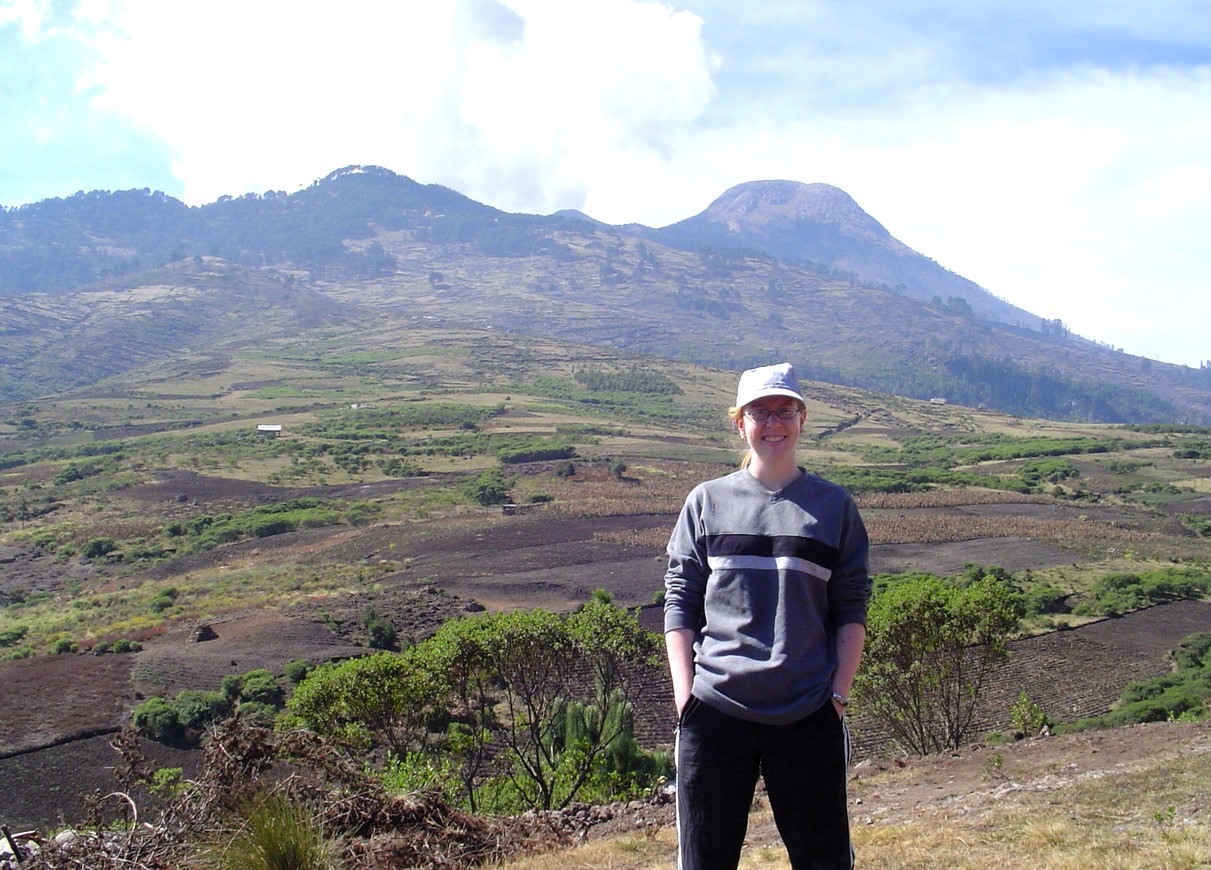
I am all smiles at the start of our trek

We met at 4:45 a.m., crammed into a small truck to Terminal Minerva, and took chicken buses toward San Marcos. I slept most of the way, waking once to find us lurching across a bit of road that appeared to be half missing—probably washed away in a mudslide—gazing out at the unguarded edge of a drop-off. I went back to sleep. Sometimes it is just better not to know.

Another bus later we were dropped on the side of the road near where we would begin our hike. A young family living in the house next to where we disembarked stared at us with wide curious eyes. This was the beginning of what I have come to call “Gringos are Funny.” We just do funny things like ride chicken buses for fun and climb volcanoes with large backpacks.

With our packs on, we crossed the street and climbed a steep embankment. Ten minutes later we reached a clearing overlooking corn fields, with a view of our destination—the summit of Volcán Tajumulco—ahead of us. It seemed an awfully long way away, and I was already tired and needed to pee. The sun was out and the temperature rose to maybe 75 degrees. Most people were converting their pants into shorts and stripping down to t-shirts. Not me. I would be trekking in a mid-weight long-sleeve shirt and nylon running pants. While everyone else looked like they were going trekking, I looked like I was heading to a track meet. Great.

I headed to some bushes with toilet paper and a little dog trailing behind me. The night before I had bought a package of three Pengüitos—like Hostess cupcakes—for a treat along the way, and the dog could smell them a mile away. It isn’t very easy to heed the call of nature in the open while defending your chocolate cupcakes from a hungry mutt, but there was no way that dog was going to get my reward snack.

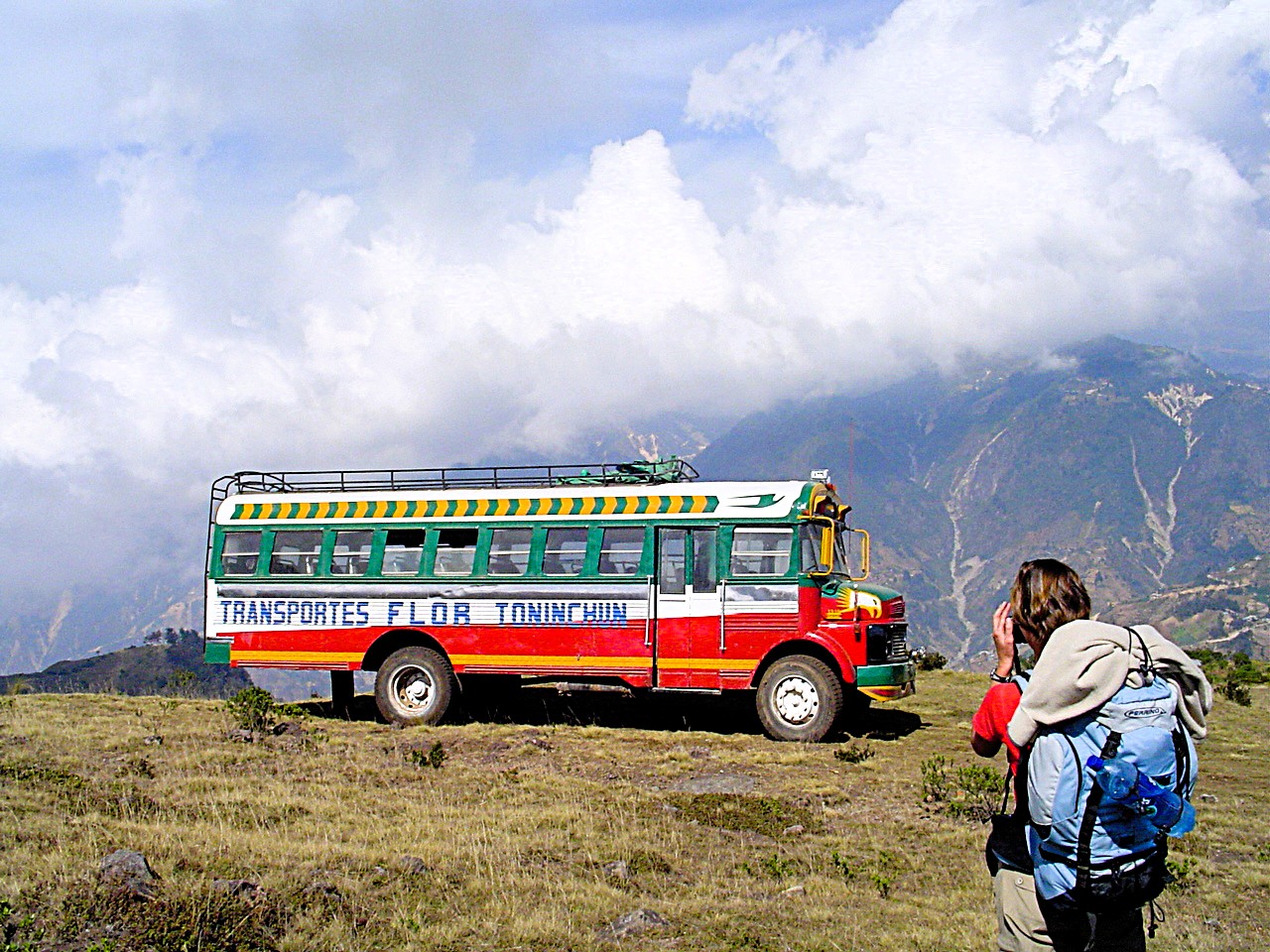
After a quick round of introductions and the talk about the “shit kit” (toilet paper plus a small garden hoe), we set off. For the first stretch we followed a dusty track the locals drive as far as they can before walking. Within minutes my fairly new white Nikes were coated with dark dust. We passed a chicken bus parked with a tremendous view of the valley below and then what I called the road rally: locals’ trucks parked where they finally accepted they couldn’t drive any higher. In the distance we could hear firecrackers, and small plumes of black smoke rose from the summit.

Then the trail got steep and uneven and the rest of the group began to pull ahead. Oh darn it. I didn’t want to be the last one, but I didn’t want to race up the mountain either and kill myself. Every time I rounded a bend and saw the group resting, they would see me and get up and go again, so I felt like I could not rest. We’d barely been going an hour and I began to think I wasn’t going to make it. Those “whose stupid idea was this?” thoughts were running through my mind.

A chicken bus near the start of our trek

Paul stayed back with me and finally I handed over a water bottle. My pack felt immensely lighter. When I reached a grassy knoll where the others were resting—and did not get up when I approached—I felt quite good. So good that I treated myself to one of the chocolate cupcakes. I joked that they would have to wait for me; after all, I was carrying the pasta.

After that I hit my stride. Whole families of Guatemalans and Mexicans climbed down past us: children walking, babies strapped to mothers, old women, men smoking or talking on their cell phones. The women and girls wore traditional Mayan clothes and plastic shoes, some with heels, and few carried anything that looked like gear. They looked at us and our packs and laughed. Gringos are funny.

After about three hours we reached the lunch spot and had a little feast. Then the food coma hit, along with a deep dislike of putting our backpacks back on. We pushed on anyway, and about forty minutes later reached our campsite. What elation! I practically skipped.

We set up tents—or rather, I watched while others set up tents. I still have yet to put up a tent in my life. To redeem myself I went off in search of firewood, dragged back two giant logs, and then learned they were too green to use. Oh well. I still carried the pasta.

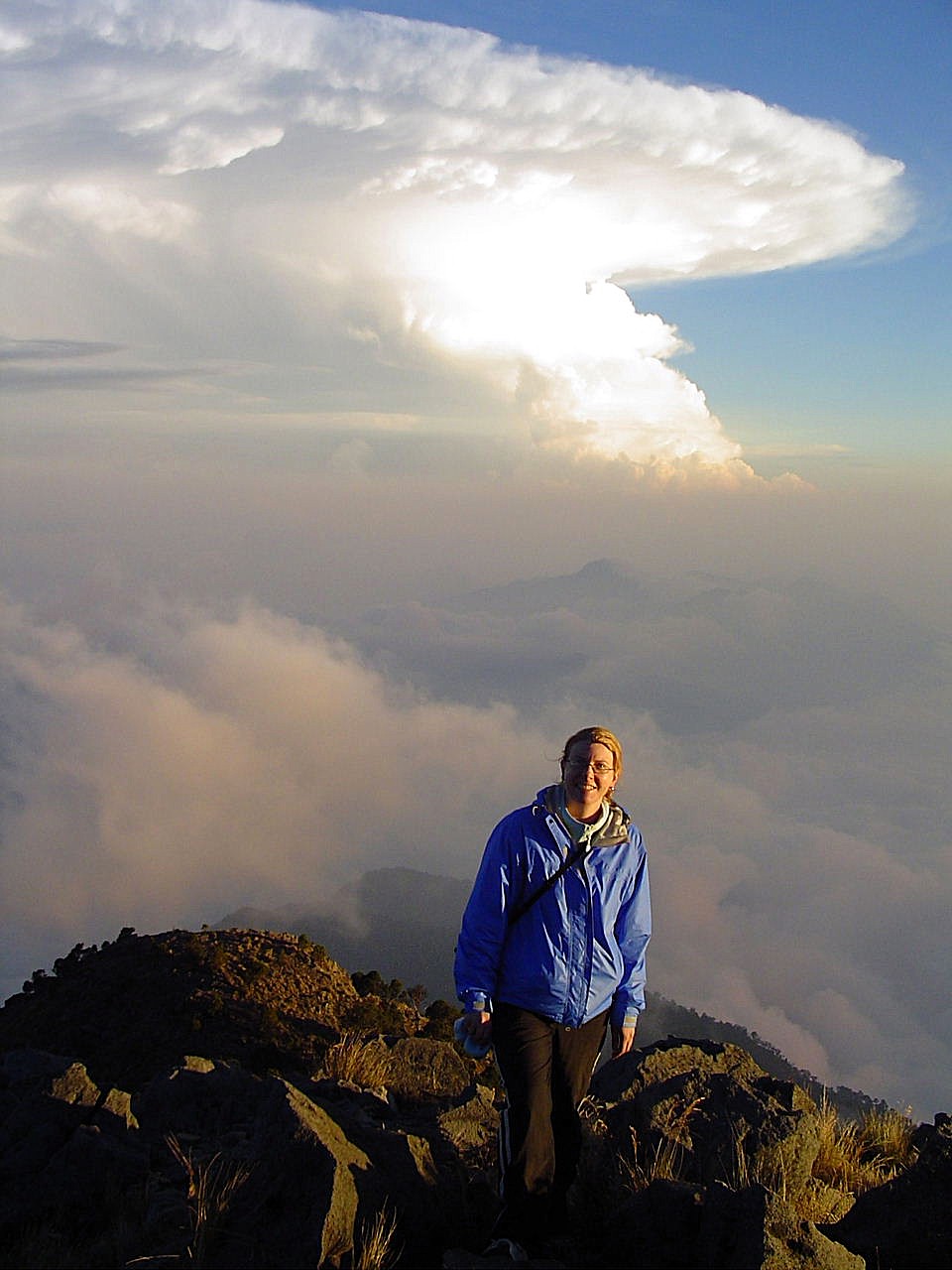
I made it to the top of Tajumulco

Most of us climbed the lower of the two peaks to watch the sunset. From the top the sight was incredible: other volcano peaks broke through fluffy cloud cover, and one cloud in tornado shape whirled up from the crater below. As the sun set, clouds poured in from all around us obscuring the view, but we knew we had already been incredibly fortunate.

Back at camp the pasta was finally freed from my backpack and prepared. We ate pasta with red sauce and cheese, bread, and soup, and toasted marshmallows after dinner. By 8 o’clock I was ready for bed. We would wake at 4:30 a.m. to climb the highest part for sunrise. I figured that gave me eight and a half hours of sleep. Great.

But I didn’t sleep. Even layered up, I froze. My hips felt as if ice lay on top of them and my feet never got warm. I lay curled up in my sleeping bag, crushed in a tent with six people, listening to the shouts and firecrackers from the Guatemalans camped nearby, and waiting for morning.

At last Paul woke us. For the final ascent we left the big packs and carried warm clothes and headlamps. We passed camps where Guatemalans had stayed warm with roaring fires, and I felt very envious. Then the climb became steep, my stomach churned, and my breathing got labored. In the dark, large families passed us on narrow switchbacks, and I was amazed to see older women in skirts and plastic shoes climbing by with no light at all.

How glad I was to reach the top—though it was short-lived. I was only glad because I wasn’t nauseous anymore. Unfortunately, it was very, very cold. Firecrackers boomed overhead. At one point someone set off a rocket that went sideways instead of up and there were yells of “look out” as I ducked. My patience, like the air, was thin. I willed the sun to rise quickly.

At long last the sun peeked up over the horizon. Volcanoes around Antigua and Xela poked up through a thick white blanket of clouds, and there was even a puff of smoke above the active Fuego volcano. I took my requisite picture to prove I was there and then hopped around trying to warm up.

We climbed down a different way, around the crater. It was beautiful, but my prevailing thought was the likelihood that I was going to die by slipping on loose gravel and falling into the crater or over the edge. I moved like a person in a horror film: one in front of the other. In the end Paul had to hold my hand as I tremblingly inched down the gravel. The worst part wasn’t even near any crater or drop-off. I’m just scared of loose gravel. Thankfully only Paul and one of the Czech guys saw my fear; the others had nimbly, like mountain goats, leaped happily down the trail.

Another incredible view from atop Tajumulco

Back at camp we ate oatmeal with cinnamon, packed up, and—much to my delight—one of the Germans took the remaining pasta. On the way down we all picked up garbage the Guatemalans had thrown all over the trail (much to their delight—Gringos are funny).

The trip down felt like a blur: the long trek back, buses to San Marcos and Xela, and finally the walk from Terminal Minerva to the Quetzaltrekkers office. Somehow, we managed. I was exhausted. I took a room at Casa Argentina, where the Quetzaltrekkers office is located, rather than try to find another place. I had grand visions of a long, steamy shower, but had to make do with a lukewarm trickle. I could barely stay awake for dinner and crawled into bed around 9 p.m. I slept well, having finally reached my first highest peak.

Guatemala December 2005: Arrival and Lake Atitlan

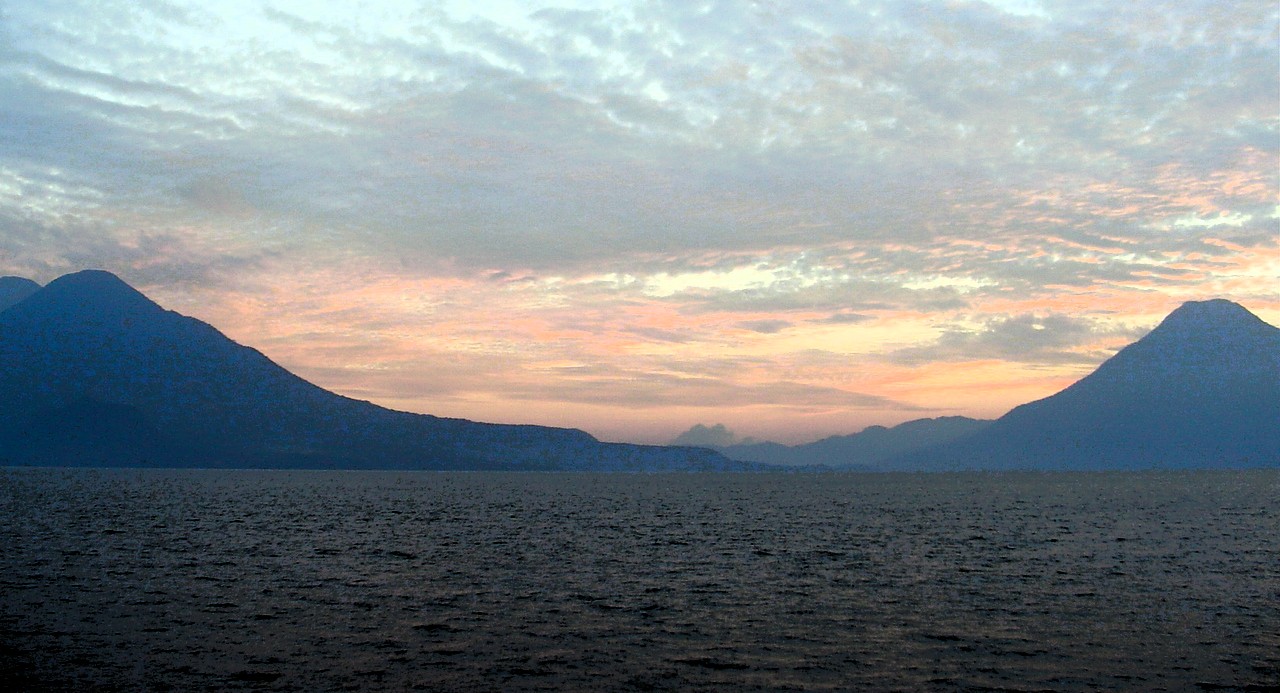
Sunset at Lake Atitlan

Back in the day, I used to do a fair amount of backpacking. I’d take off for a week or a month, head to another country, and make my way around by whatever inexpensive means I could manage. Along the way, I wrote travelogues of my adventures and sent them to friends and family.

I miss those days.

Every so often, I dig up one of those old travelogues, dust it off, and share it here on my blog. In December 2005, I spent two weeks traveling through Guatemala. Unfortunately, I only ever wrote up the first part of the trip—but here it is. Part one of two.

I arrived in Guatemala City blurry-eyed and stiff just before 6 a.m. Guate time. But by the time I stepped through immigration, I was ready to face the day. Then the most amazing thing happened: I walked through the sliding doors past Customs (though there was no Customs to speak of) and out onto the street, and not a single person accosted me.

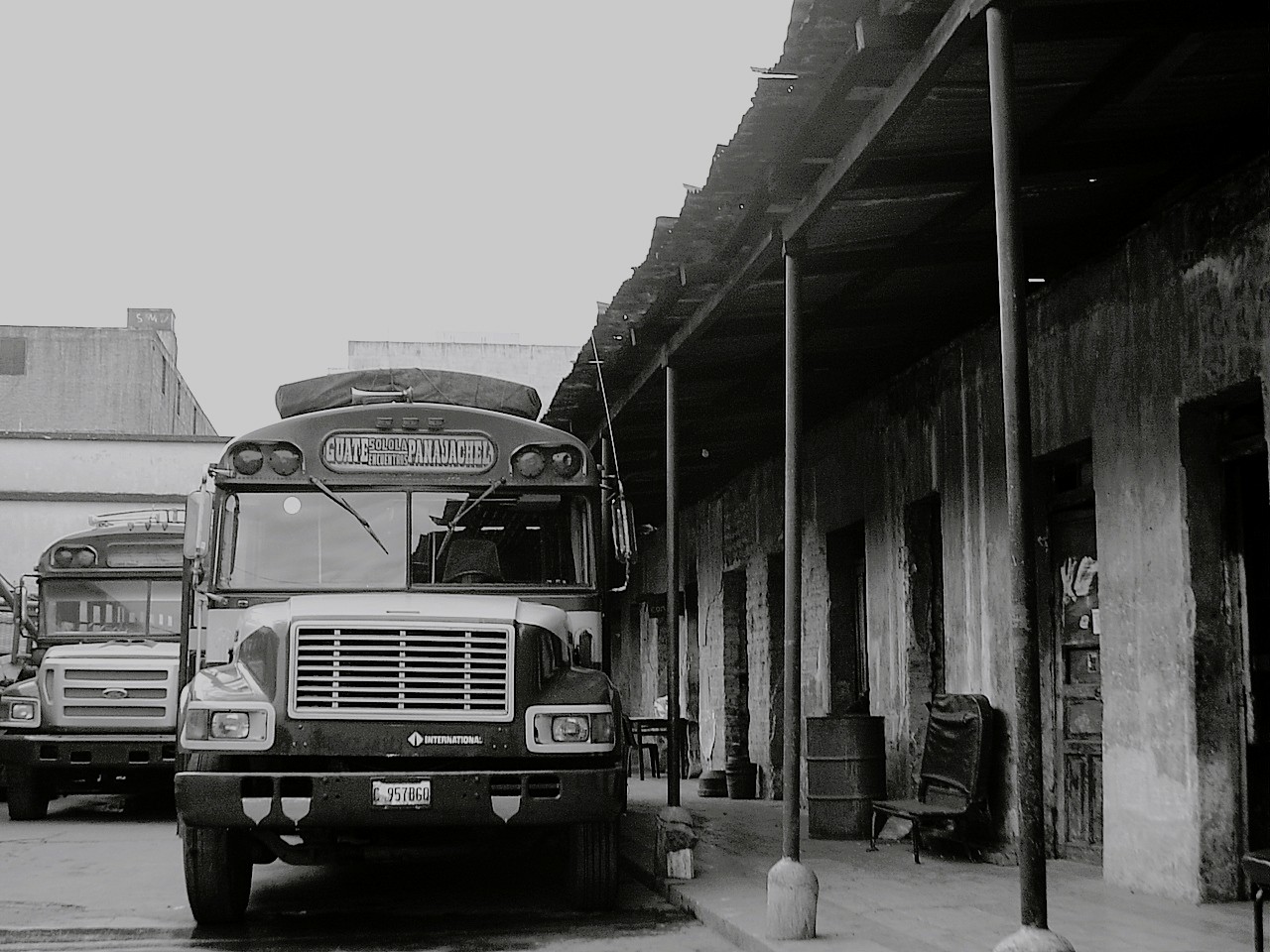
The bus garage in Guatemala City

I had prepared to stand firm through the throngs of taxi drivers and tour-mongers who would attack me the second I emerged into the Guatemalan air. But there was no one. For a second this took me aback and I didn’t know what to do next. I bought a water with my newly exchanged quetzals so that I would have small change. Again, this was done without a hitch. I was getting suspicious.

Across the street I found a small taxi counter with a signboard. One guy asked me if I wanted a taxi and I said no and he went away. Another approached and tortured me with Spanish for a while; when he was satisfied I had very little clue what he was talking about, he used a few words of perfect English to ask me where I wanted to go. He quoted me the same amount on the signboard—eleven U.S. dollars to the bus station. It seemed a bit much, but I shrugged and said okay, sí.

Perhaps ten minutes later he stopped in front of a closed building with a garage. There wasn’t a sign of life except for an old man sitting on a step. Here, the driver told me, is where the buses to Panajachel depart. I felt a little concerned about getting out on a near-deserted street in Guatemala City at 6:20 in the morning. The old man conveyed the news that I had just missed the 6 a.m. bus but another would depart at 7, in forty minutes. Luckily, just as the taxi began to drive away, the bus station attendants arrived and opened up the garage, revealing a small and dirty courtyard where three buses were parked. I sat down on a bench—which was really just a bus seat—and prepared to wait.

At 7 a.m. nothing happened. By 7:15, by some magic, everyone suddenly got onto the bus. There were eleven other people on board, and I was easily the tallest person by at least half a foot. This made me quite happy for some reason and I mentally clapped myself on the back.

A Guatemalan market slash bus station

And then we drove about ten minutes to the same road where the bus signposts and lines of waiting people stood. And there we sat until 8 a.m. Grrr. Probably if the driver had just left me here in the first place I would have made that 6 a.m. bus that probably really left at 6:15 and sat here while I sat on a green bus chair in a courtyard for forty minutes.

At 8 the bus took off, drove maybe two minutes down the road, and stopped to pick up more people. Three people squeezed into the space where really only two could fit comfortably. I was now mashed up against the side of the bus, my shoulders crunched together, my legs piled on top of one another atop my smaller backpack. They would not move for the entire trip to Panajachel—a good two and a half hours away. I downgraded the measure of my success thus far.

To add to my depression, the “one-armed” man boarded the bus to plead for donations. We were captive, all mashed into the bus like sardines. At first I noticed he did indeed have an arm he was hiding under his shirt and wondered if he really thought we would buy the one-arm story. Then he pulled his sweatshirt up to reveal his thin limp arm, with what appeared to be a bullet hole, severe bruising, and blood near his shoulder. I heard the word accidente but didn’t know what to make of it. It was grotesque but fascinating. The other passengers pulled out change to give him. I toyed with the thought of giving him five quetzals, my smallest bill, but I did not yet know what it could buy—and before I could make up my mind, the bus slowed and he got off.

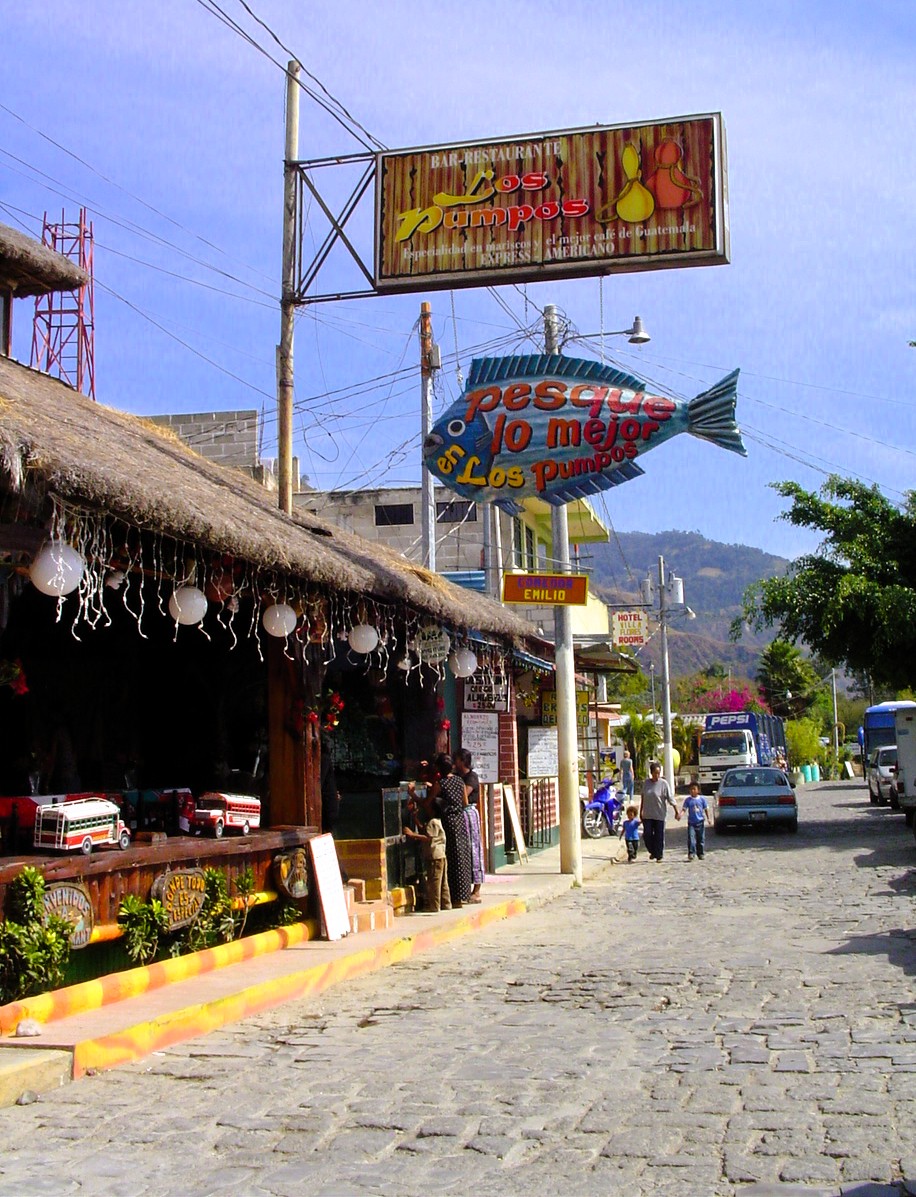
A street in Panajachel

Thankfully, out the window I spied the near-perfect cone of a volcano in the distance and was cheered. The sun was out, it was going to be a beautiful day, and I fell asleep.

About two and a half hours on windy mountain roads we approached Panajachel—Pana for short—on the banks of Lake Atitlán. From high on the road into town, the lake shimmered for miles and blue volcanoes rose in a ring around it. I tried to take a few photos from the bus, which involved unpinning my arms from their crushed position and then trying to steady my hand as much as possible. How much I missed my lame first-class seat on the second flight—the cushions, the pillow, the ability to move. The attempt resulted in blurry photos of shrubbery overlaid with the reflection of my hands and the camera in the window. I gave up with trying to record the moments for posterity.

It took another thirty minutes to make it down the mountain road to lakeside Pana. I hobbled down the road on near-useless legs, apparently having already grown unaccustomed to actually providing locomotion. I had a few missions to attend to before I could explore: (1) find out my location; (2) find accommodation and put down my bag; (3) pee; (4) eat. Within fifteen minutes I had found my way along one of the dusty main roads and found myself a little room. Then I headed to lunch.

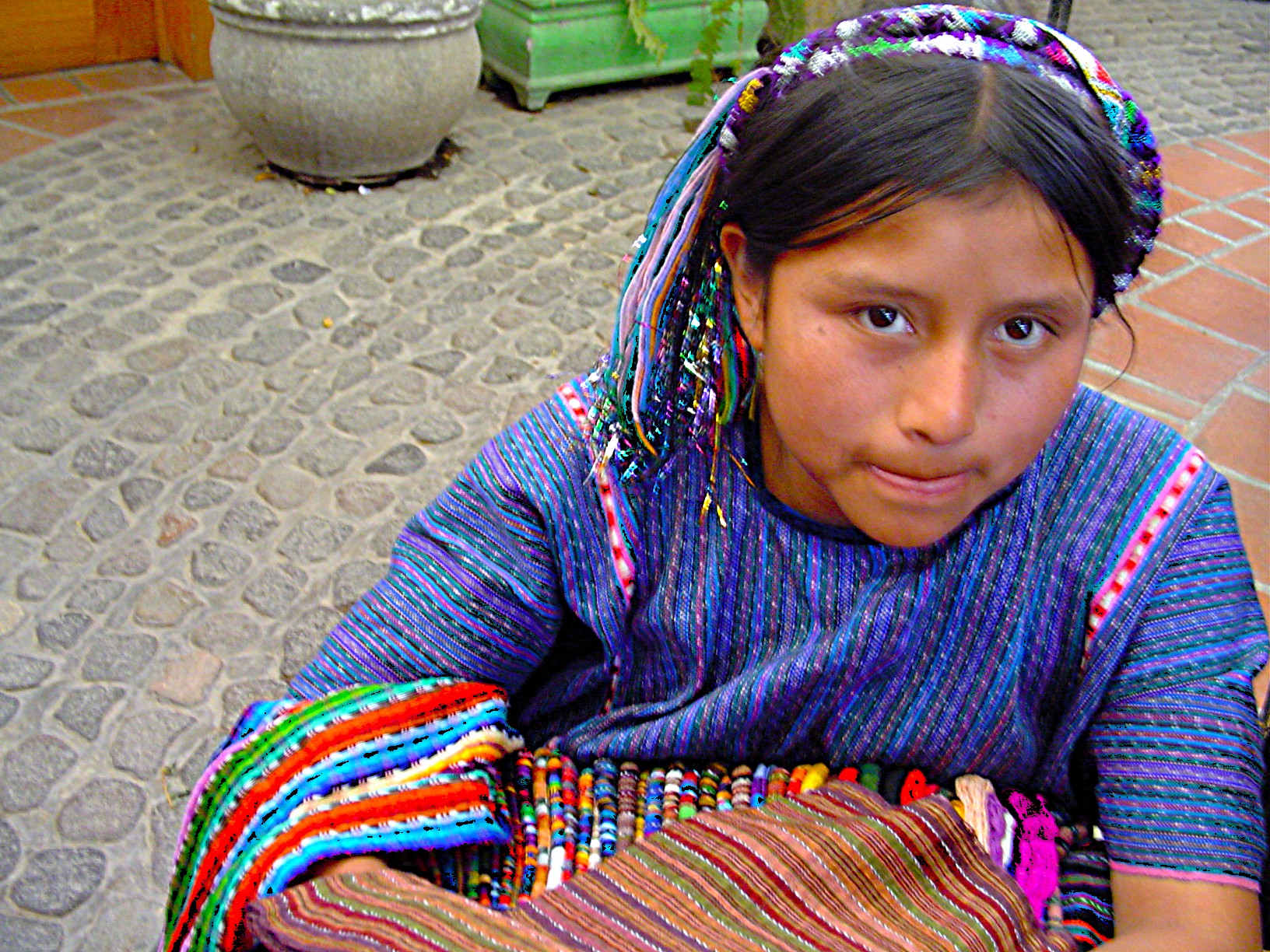
Almost as soon as I sat myself at a little table, I became the target of aggressive sales tactics by cute little Maya girls dressed in traditional finery. The first was about eight or nine, with her wares—pretty dyed scarves—perched on her head. She crouched beside my table and began her pitch in Spanish. Isn’t it lovely, she said. Very good price. I don’t want any, I said. Very good present for your mother. My mother wouldn’t like that, I said. Then perfect for your sister? Nope, she wouldn’t like it either. Then good for your friend. Sadly, I said, I do not have any friends.

Panajachel’s top scarf seller

She was not deterred. She tried other color combinations and asked me my name, where I was from, how long I had been in Guatemala. The first scarf she showed me was rather nice. She was so cute. My resolve began to disappear. I asked if I might take her photo. She told me the scarf and one photo would cost me fifteen quetzals. I gave in.

Unfortunately for me, her friends saw the transaction and immediately descended. One sold scarves, another bracelets; then came a man with carved wooden knives, a boy with embroidered “Guatemala” pens, and more of the same. Waiting for my food, I was a sitting duck. It was, after all, my first day in Guatemala; I had not perfected my mean grouchy replies or stony-silence tactic to such merchants. I focused very deeply on my nachos and guacamole while repeating, “No lo necesito. No lo necesito,” until they drifted away.

I finished lunch feeling overwhelmed.

Now that my immediate needs had been met—and I was the owner of a new scarf—I headed down to the lakeside. People lounged along a stone wall overlooking the water. A lanchara (who knows if they are called this or I just made it up—basically a boatman) tried to get fares to other towns around the lake. Having just eaten, I didn’t really feel up to bouncing across the lake on a motorized vessel, so I sat for a bit. According to the guidebook I could walk to Santa Catarina in about one hour. After so much sitting, a walk sounded perfect. It being one in the afternoon, I figured I could walk a few hours and then come back by boat in time for sunset, an early dinner, and bed.

Five minutes in, I hit a huge problem: a dry riverbed about fifty feet across and no bridge in sight. What was more perplexing was that no river was in sight either—just rock and sand, men digging, dust flying. I returned to the stone wall and went down to the lakeside to cross along the water. Two small streams were jumpable; the third was a good five feet across. I had my good Nikes on and was not in a wading mood, so I followed the stream up and found a log laid across the surprisingly rapid water. Small detour, but now I was across.

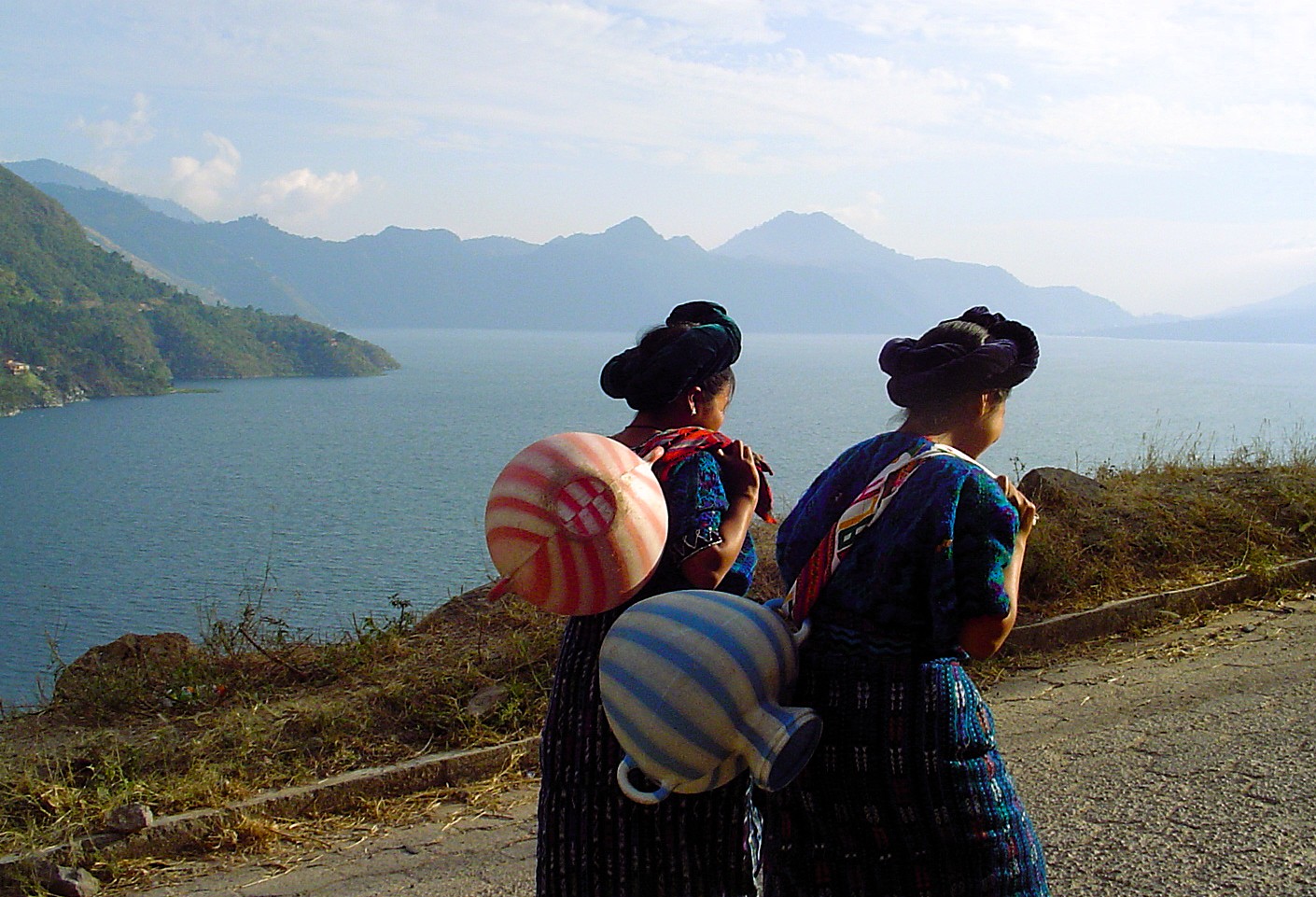
Mayan women walk along the road along Lake Atitlan

On the other side families picnicked under trees and enterprising people sold grilled chicken, ice cream, and fruit. I bought fresh coconut and felt instantly better—except then the wonderful sunscreen/bug spray I had on my face began to drip into my eyes stinging them terribly. I stumbled about half blind with tears streaming from my eyes. I probably looked drunk. I mopped my forehead dry and onward I walked.

Soon the path grew narrow and I ignored a Private Property sign, prepared to play the idiot gringa. Then the path narrowed to barely wide enough to fight through the foliage and ended at a private beach. Heavy sigh. I retraced my steps and asked a couple for directions. They told me this was the old path, and now I had to walk along the main road—turning right just after the house with all the boats.

Approaching it from the other side, I wondered how I could possibly have missed it. The yard was literally littered with boats in varying stages of repair. I made my way up to the main highway, looked at my watch, and realized it was already 1:30 and I was basically where I started. So much for making it in an hour. I almost turned back, but now I felt committed, so I turned right toward Santa Catarina.

Not much to say of the walk. The road was dusty but paved and snaked around the hills. Occasionally it opened to incredible views—the sun shining high on the lake, volcanoes wrapped in cloud. The last ten minutes into Santa Catarina were all downhill. The town seemed simple: small houses and a large white (but unimpressive) church the guidebook kindly called gleaming. I took the path down to the lakeside and sat in a small restaurant along the shore with a Coke and some more chips and guacamole, enjoying that no one pressed me to buy. Apparently the boats there were only for private hire—a price I didn’t even inquire about, figuring it to be more than I wanted to spend.

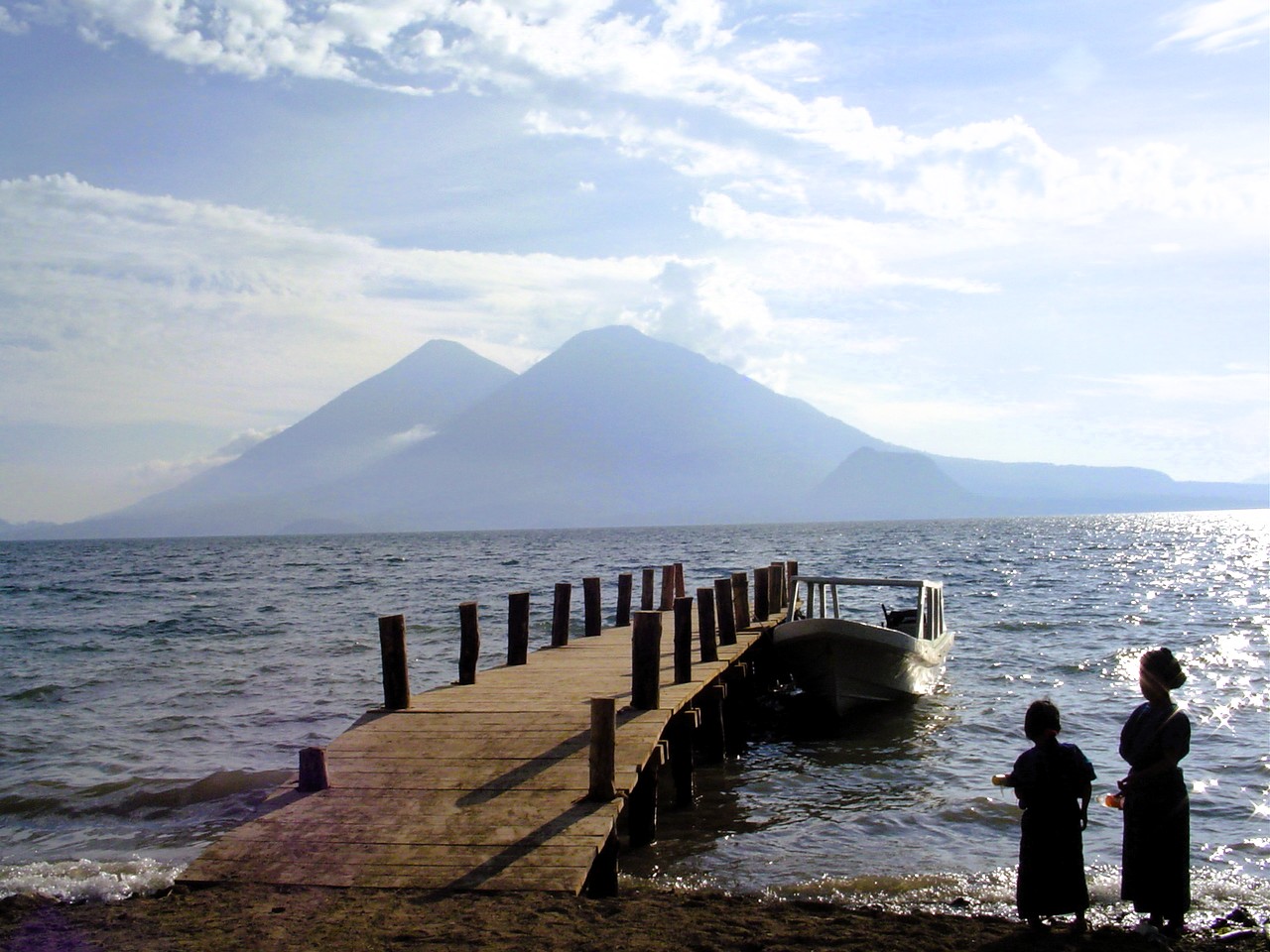
On the shore of Lake Atitlan

It was nearing 3:30 and I figured even if I walked on to the next town and it really took only an hour, the boats were likely also only for private hire. Feeling restored, I decided to walk back to Panajachel. The walk did take an hour this time and I felt very pleased with myself. I arrived in time to take a quick shower (I looked dreadful) and then headed down to see the sunset. It was pretty but not spectacular. I had dinner, and then, exhausted, dragged myself off to sleep at 8 p.m.

2026 Spring Break in NYC: Part Two

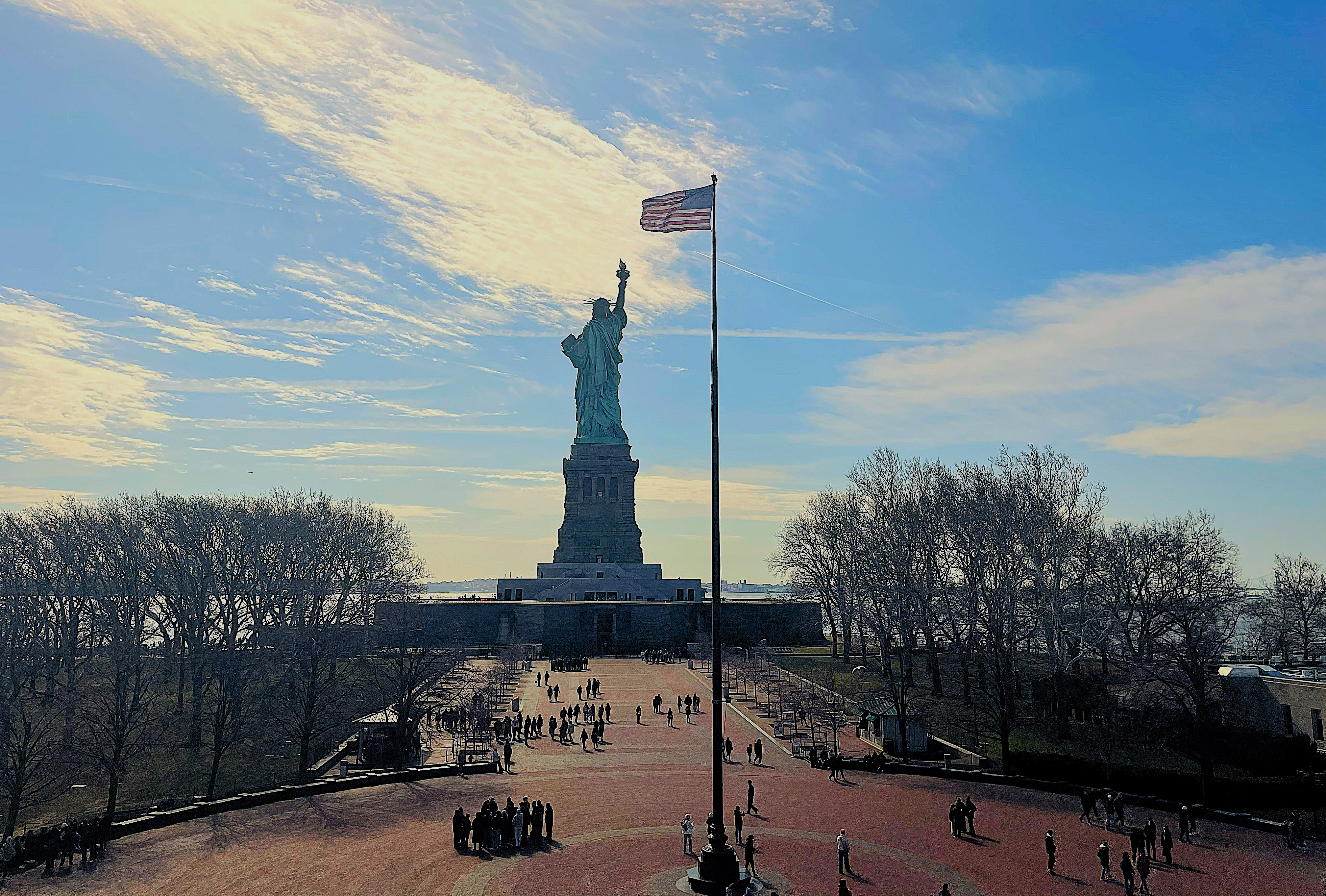
View of Lady Liberty from the museum roof viewing platform

This is the second and final installment of my daughter’s and my trip to NYC in March 2026.

We woke early on our third day in New York City, ready to take on a full day of sightseeing. Thankfully, the weather was on our side. The blackout curtains in our swanky, but tiny, hotel room slowly lifted with the push of a button to reveal bright sunshine. Though it was still a bit chilly, temperatures were warmer than the previous two days, which was key given that our itinerary included plenty of time outside and a lot of walking.

We once again set out to take on the New York subway, this time heading downtown to Battery Park and the terminal for Statue City Cruises, which would take us to Liberty Island and Ellis Island. The quickest route required a transfer, and I very confidently guided us onto the wrong train. Sigh. The New York subway system is very different from what we are used to in Washington, D.C. (it is significantly larger, with 472 stations, 36 lines, and 665 miles of track, compared to 98 stations, 6 lines, and 129 miles in D.C.). Still, we managed to right ourselves and arrived at the Battery Park ferry area right on time.

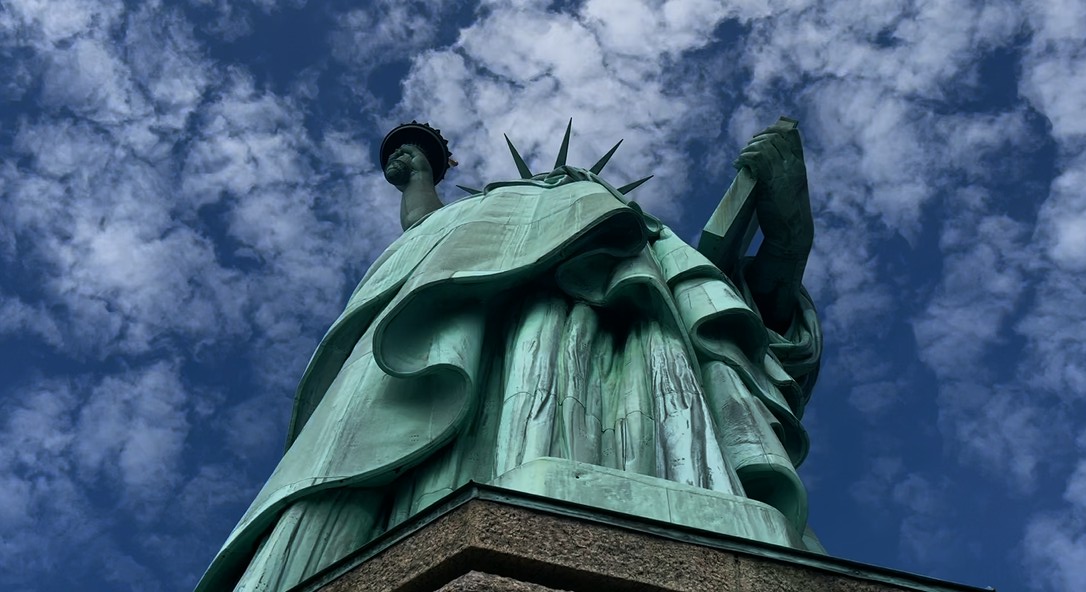
Just one of the extraordinary views of the Statue of Liberty

We had 9:30 a.m. tickets, the third ferry of the day. The line seemed long when we arrived, but it moved quickly, and before long we were on the small jetty preparing to board. Though the sun was out and the sky a deep blue, the waters of New York Harbor were a steely gray. The waves were active, and the ferry, sans passengers, rocked furiously. Thankfully, boarding moved quickly, and it was perhaps the added weight of some 500 passengers that made for a smoother ride to Liberty Island than I had anticipated.

We found standing-room-only space on the second level alongside the deck. Unfortunately, it was on the wrong side of the ferry, leaving us without a view of our approach to the Statue of Liberty, though we did have a stunning view of Manhattan. This was my fifth trip to New York City, though my first three visits had been brief—a senior year trip in high school, a day spent with a college friend visiting from Connecticut, and another quick trip that consisted of a long day of sightseeing after taking the train up from Washington, D.C. I had long wanted to visit the Statue of Liberty, and finally seeing it there in front of me made my heart flutter, if only just a bit.

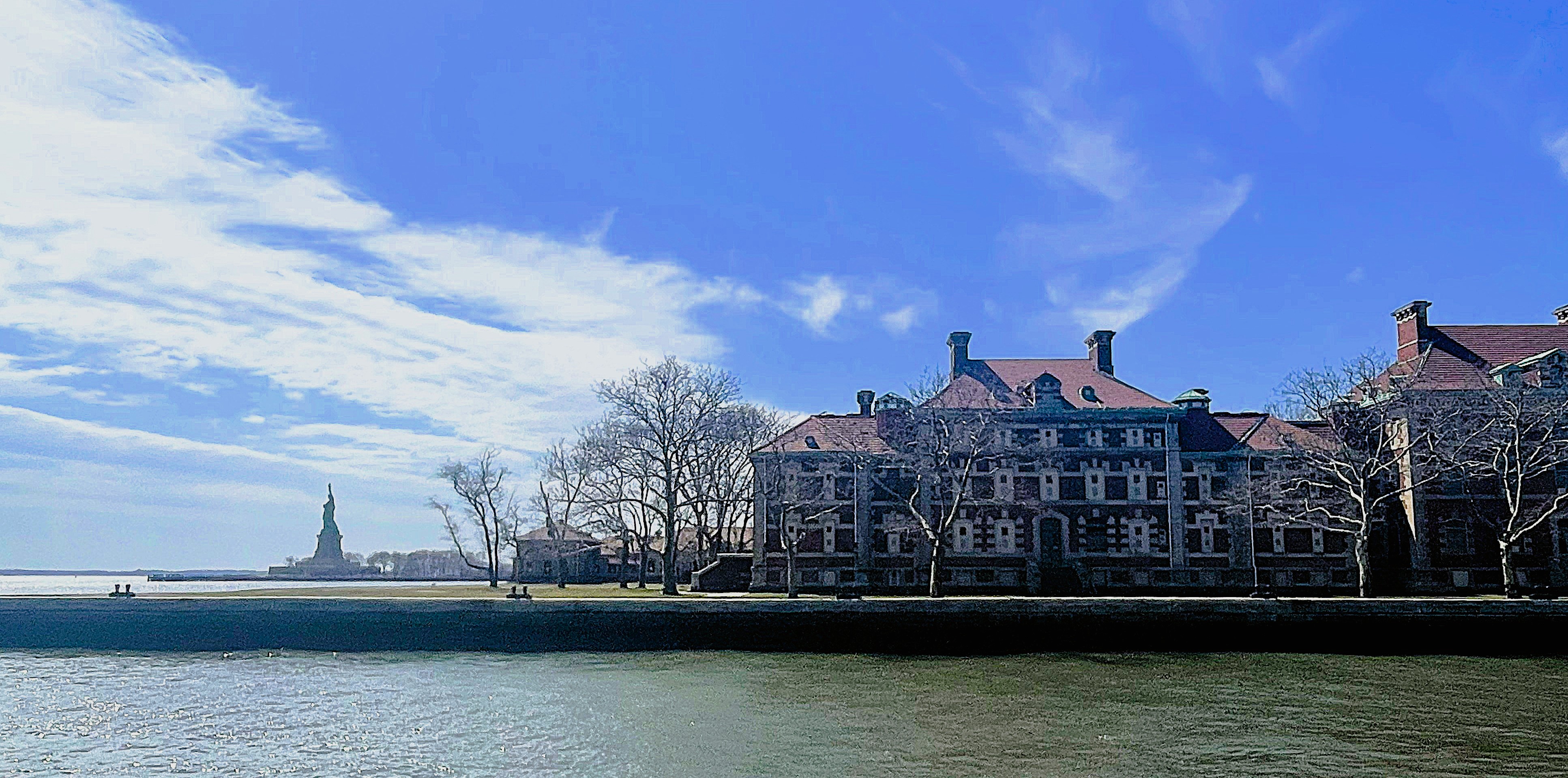
Buildings on Ellis Island facing toward the Statue of Liberty

With the wind picking up, we first made our way through the gift shop to warm up a bit before heading along the path that offered a view of the statue’s front. This, however, was where the wind was at its strongest, and we could not stay long. We continued around and made our way to the pedestal, where we explored exhibits on the statue’s design, transport, and construction. During my visit to Colmar, France, in 2023, I had visited a museum in the childhood home of Frédéric-Auguste Bartholdi, the statue’s designer. Both C and I had also visited the Eiffel Tower, built by Gustave Eiffel, who created the statue’s iron framework. Standing there, it felt especially meaningful to finally be at the Statue of Liberty itself.

From the pedestal, we took in a few more views before heading along the promenade to the Statue of Liberty Museum. With the crowds in the museum and displays covering much of what we had already seen, we opted to move on to Ellis Island. The main immigration building, a beautiful Beaux-Arts structure completed in 1900, is an iconic sight, but much of its façade was covered in scaffolding for renovation during our visit, which I found disappointing. We had lunch, took in the Great Hall, and wandered through the exhibits. My favorite displays were the old travel advertisements promoting voyages to America, along with the interactive exhibits showing the number and origins of immigrants to the United States over the years. The advertisements have a certain romantic quality, though the journeys themselves were likely anything but for most travelers. Still, the promise of a new beginning may have made them feel that way. By this point, the crowds were starting to wear on us, so we made our way back to the ferry and returned to Battery Park.

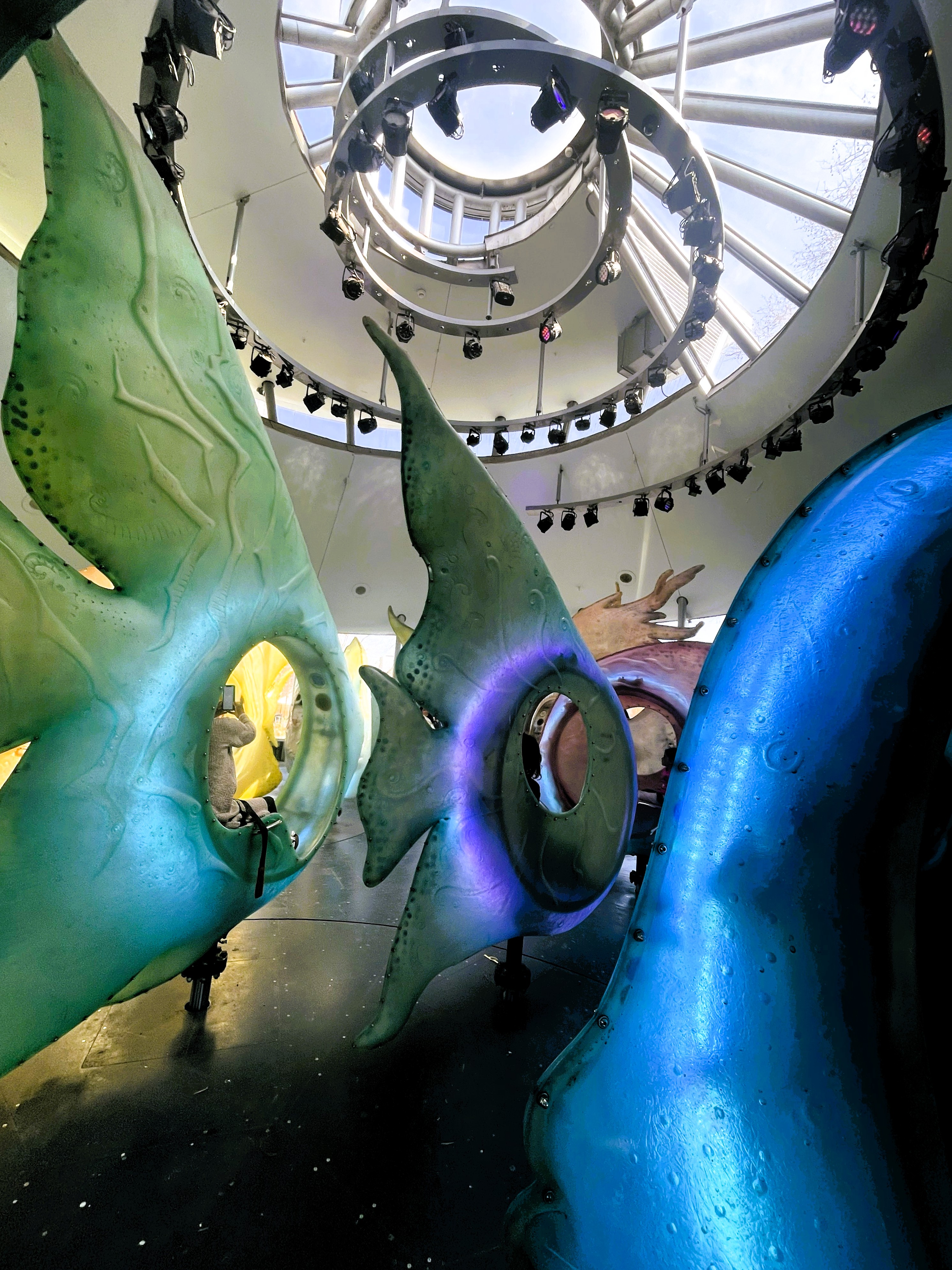
The unique and beautiful Sea Glass Carousel

After returning to Manhattan, we focused on catching a few sights in the Financial District. We started with the SeaGlass Carousel in Battery Park. We added this to our itinerary after C came across several TikToks highlighting New York attractions. We used to be very into carousels and still have a great deal of affection for these simple, but fun, amusement rides. The SeaGlass Carousel is one of the most unique and beautiful carousels we have come across. It is a relatively new addition to the city, opening in 2015, and its theme pays homage to Battery Park as the site of New York’s original aquarium, which opened in 1896.

Unlike a traditional carousel, there is no center pole. Instead, the floor rotates while the illuminated fish glide and gently move up and down. Riders sit inside the fish rather than astride them, creating a much more relaxed and immersive experience. The entire ride feels almost dreamlike, particularly with the lighting, music, and movement all working together. At $6 for a surprisingly long seven-minute ride, this ended up being one of our favorite activities in New York City.

We then wound our way farther into the Financial District to track down some of the area’s well-known statues. We started with the Hello Kitty and Miffy statues just across the street from Battery Park before heading to one of the city’s most recognizable landmarks, the Charging Bull, the bronze sculpture symbolizing financial optimism and prosperity. We had the Sanrio statues entirely to ourselves, but the scene around the bull was quite different. It was nearly impossible to get a photo of or with the statue without also capturing lines of tourists waiting their turn or frustrated New Yorkers trying to weave their way through the crowds.

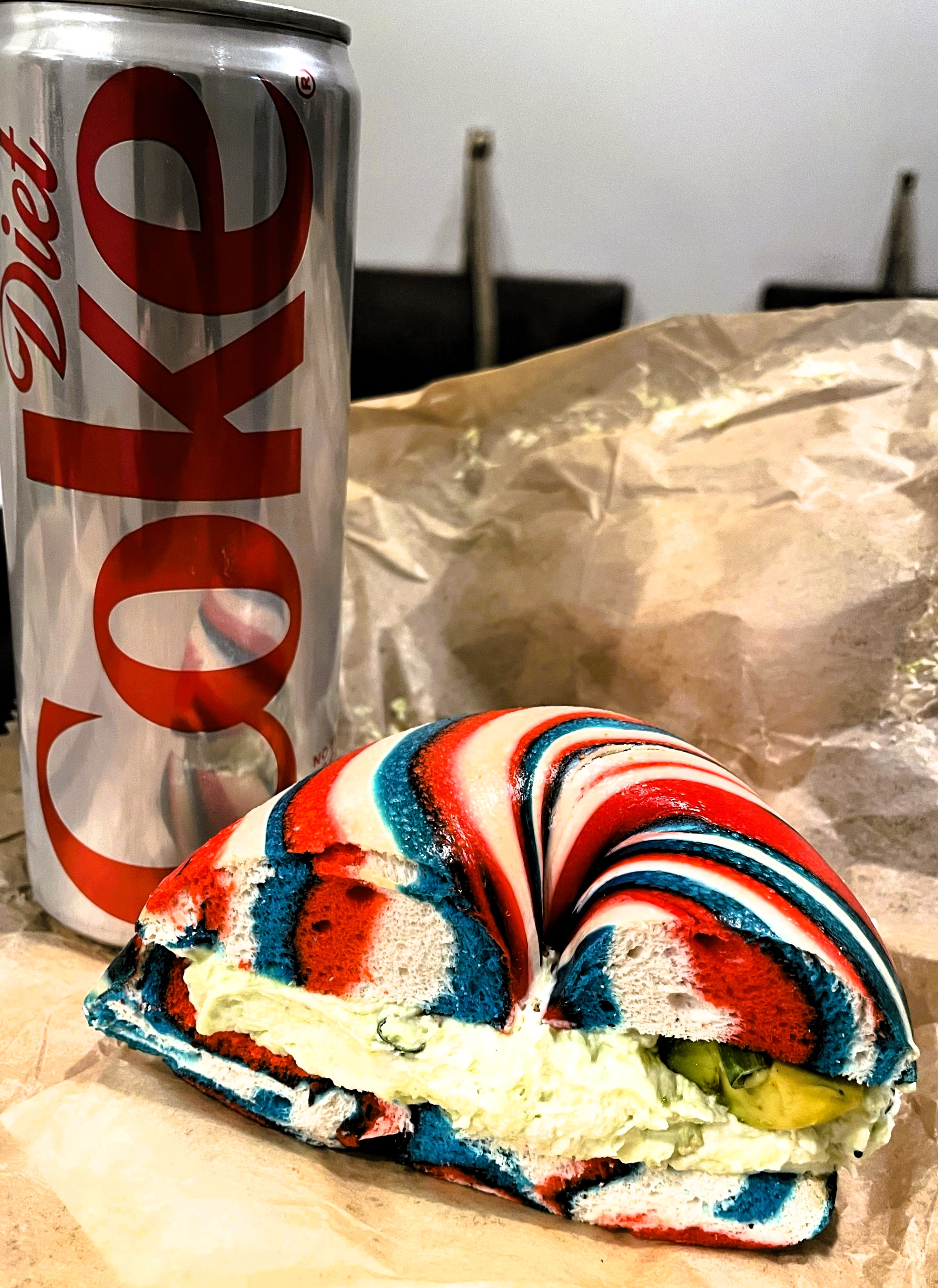
My delicious Liberty bagel with avocado and herb cream cheese

I managed only a few less-than-spectacular photos before we headed to our next stop: a well-earned snack at Liberty Bagels, located just a minute away. This was another New York spot C had discovered online and insisted we add to our itinerary. Though the company only opened in 2018, it has quickly become one of the city’s top-rated bagel shops, which is especially notable given that bagels are considered one of New York’s signature foods, alongside pizza and hot dogs. Liberty Bagels is known for its fresh, hand-rolled, kettle-cooked bagels made daily. Given the popularity of its Wall Street location, I had expected a far worse line than the one we encountered. We still had to wait a bit, but that gave us time to take in the scene, including the mounds of colorful cream cheese behind the counter that resembled gelato. We each ordered one of the shop’s signature bagels. I chose a Liberty bagel with half regular cream cheese and half avocado cream cheese, while C went with a rainbow bagel topped with strawberry cream cheese. Both were enormous and far too much for one person, so we each ate half, wrapped up the rest for later, and continued on with our sightseeing.

We made two final stops in the Financial District: first at the Fearless Girl statue and then at Trinity Church. While the Charging Bull may be the more famous landmark, I appreciated bringing C to see Fearless Girl more. From there, we walked down famous Wall Street before crossing over to the striking Neo-Gothic Trinity Church. Though the current structure was built in 1846, the church itself was established by royal charter in 1697 by William III of England. Given that he and his wife, Mary II of England, also established the College of William & Mary—my alma mater—in 1693, I have always had something of a soft spot for him. Though I would have liked to spend more time there, we had already spent hours sightseeing and simply did not have the energy for much more. We did, however, wander through the cemetery, where we found the grave of Alexander Hamilton. With that, we caught the subway back to our hotel for a bit of rest.

That evening, we made our way to the Lena Horne Theatre to see the musical Six, a high-energy pop musical centered on the six wives of Henry VIII, reimagined as modern pop divas competing over who had the most difficult experience being married to the infamous monarch. It was an amazing show filled with infectious songs and an incredible amount of energy. C already knew some of the music, but I had not heard a single song beforehand and still found myself practically singing along by the middle of each number. Since the trip, I have caught myself humming the songs and playing the soundtrack on repeat.

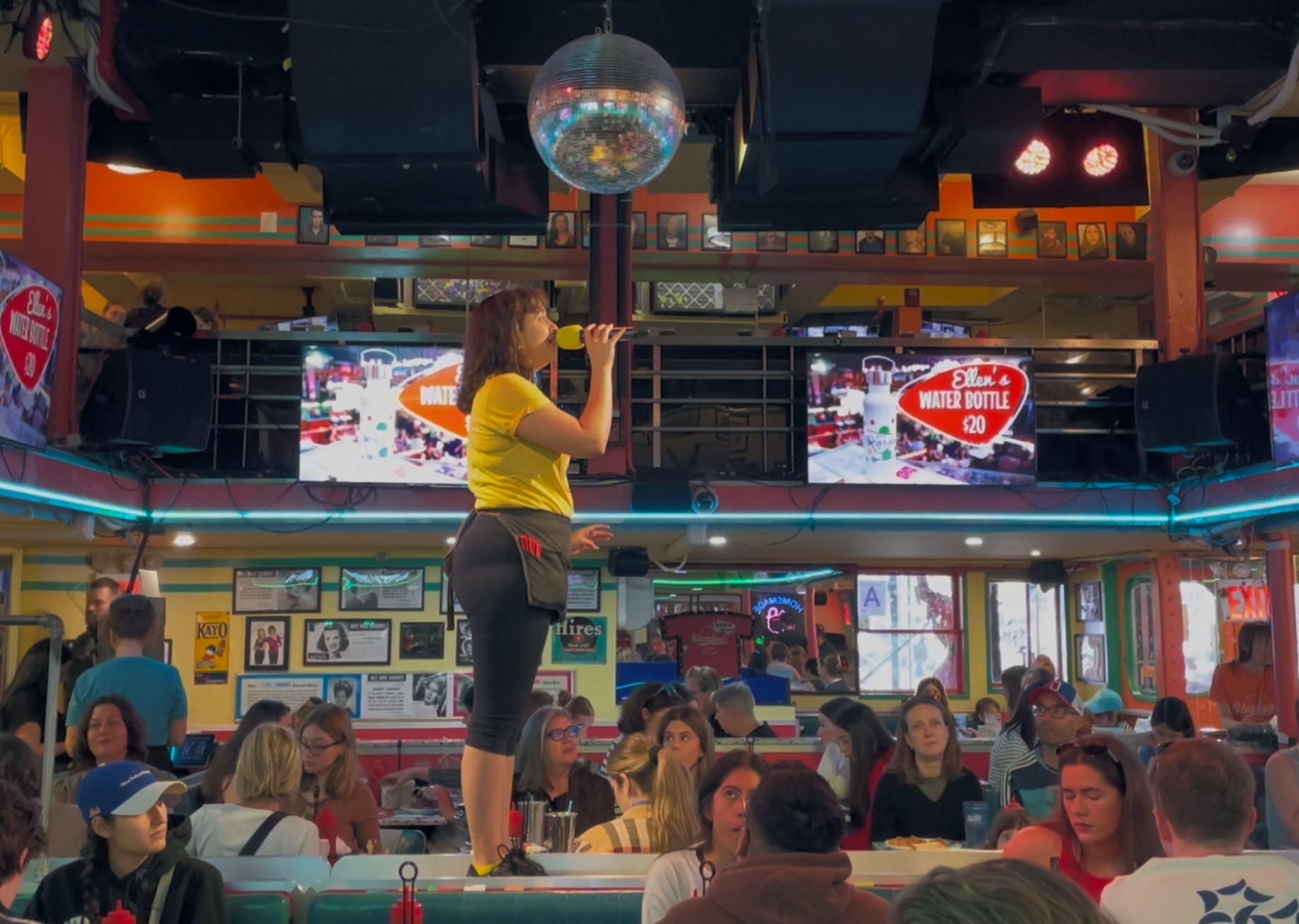
A Starduster, one of Ellen’s singing waitstaff, beautifully belts out a song

On our fourth and final day, we slept in. After several early mornings, it was nice not to have to rush anywhere and instead take things a bit slower while Broadway stretched out below our hotel window. We eventually headed to Ellen’s Stardust Diner for an early lunch. The diner, where aspiring Broadway performers serve meals while belting out songs, felt like a quintessential New York experience mixed with a themed restaurant. Though we arrived around 10:30 a.m. in hopes of beating the lunch rush, there was already a line stretching halfway down the block. Ellen’s is extremely popular with tourists and does not take reservations. Thankfully, we managed to get inside just before 11 and were able to order lunch. It really was a blast. One sing-along followed another, which honestly made it a bit difficult to focus on eating. We both loved it.

For our final major stop of the trip, we headed to Museum of Modern Art, with a brief stop at Rockefeller Plaza along the way. Long ago, when I visited my former college roommate in New York, we ended up at MoMA on a lark. What I remember most from that visit was not necessarily the art itself, but riding the escalators, goofing around, and trying to make sense of some of the more abstract pieces. I have never been a huge fan of modern art, though there are several works at MoMA that I absolutely love, including Salvador Dalí’s The Persistence of Memory, Andrew Wyeth’s Christina’s World, Vincent van Gogh’s The Starry Night, Gustav Klimt’s Hope II, and Edward Hopper’s Gas. On the other hand, I strongly dislike Joan Miró and Jackson Pollock and remain somewhat undecided on Pablo Picasso and Andy Warhol.

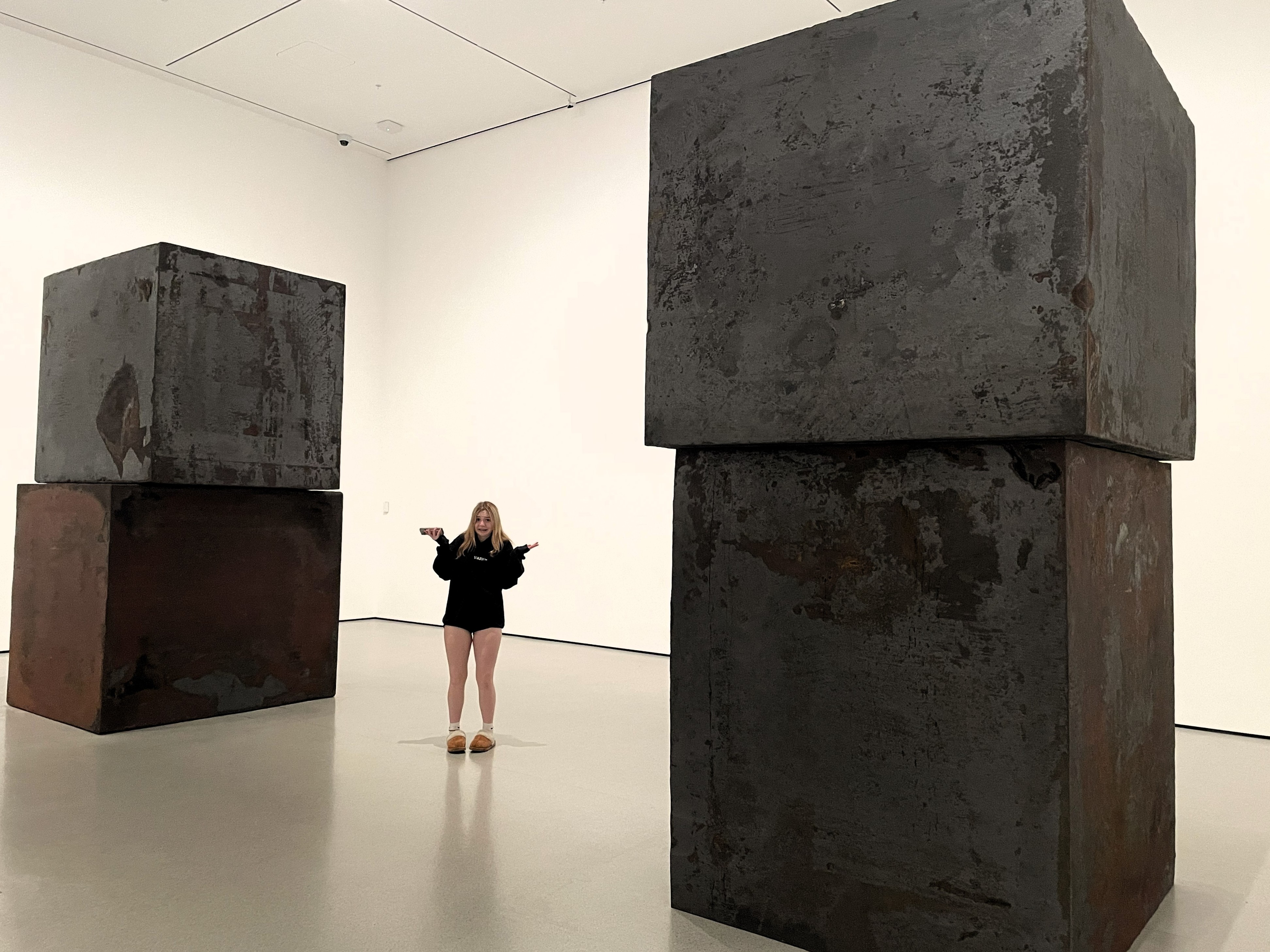
What is this? Seriously. C tries to puzzle out the meaning of this exhibit with a room all its own at MoMA.

Still, much like that earlier visit years ago, C and I probably had the most fun with the strangest pieces in the museum. I had not been entirely sure how much she would enjoy MoMA, but we ended up spending a good two hours there before finally calling it a day.

We had an extraordinary time in New York City and truly made the most of our four days there. From world-famous landmarks and museums to Broadway, bagels, subways, and even a few roller coasters, we managed to experience so many of the sights and activities that make the city so memorable. Most importantly, though, it was another great mother-daughter trip that I think both C and I will remember for a very long time.