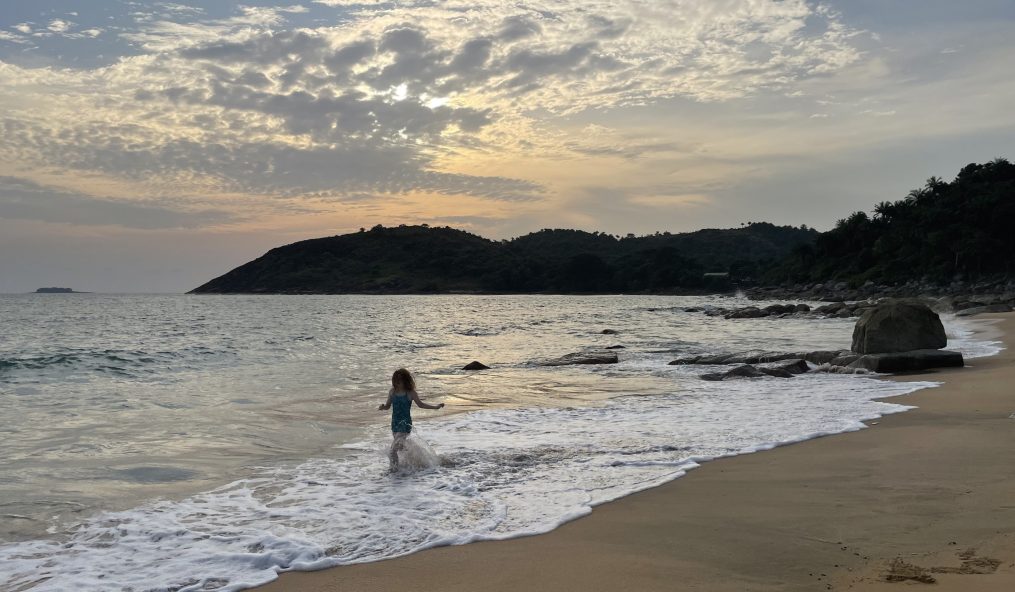
How do you decide where to go on vacation during a pandemic?
Overall, for me, it was a somewhat wrenching, but ultimately easy decision.
R&R, i.e. “Rest and Recuperation,” is a “travel benefit that provides temporary relief for employees and eligible family members from posts with distinct and significant difficulties.” The State Department (and other federal agencies with presence overseas, like the military), set the number of R&Rs an employee and their family are eligible for from each location overseas. If you serve in Australia or Hong Kong or even on the Mexico border with the U.S., you are not eligible. If you live somewhere like Malawi, you are granted one R&R for every two years you serve.
But in 2020, the pandemic halted many (most?) R&Rs. Here in Malawi, international commercial flights were halted from April 1 until September 5. And even once flights resumed in September, they were limited in number. But Embassy personnel were still restricted from taking flights out of the country, unless in an emergency or with special circumstances, until late October.
I have traveled to over 100 countries and territories and been on more flights than I can count, but the idea of being on a long plane ride at this time filled me with a great amount of anxiety. I desperately wanted to travel outside of Malawi — the living room staycations and the long drives on the same pockmarked Malawian roads were just not doing it for me anymore. I needed the kind of vacation that involved stamps in my passport. Yet, I just could not stomach going somewhere really far away. If you know me or have read my blog travels, you know that in usual times, that does not concern me. It is the destination, not how long it will take us to get there. By the time she was three, my daughter would ask how many planes it would take for us to get to our destination. This time, I wanted it to be just one.
One reason that COVID-19 came to Malawi later in the game than most (it was one of the last countries in the world to record a case), is that it is not on many tourist itineraries and it is a destination point, not a transit point. And just as few flights arrive here, few depart. In non-pandemic times, we could fly direct from Malawi’s capital Lilongwe to six locations: Johannesburg (South Africa), Harare (Zimbabwe), Lusaka (Zambia), Addis Ababa (Ethiopia), Dar es Salaam (Tanzania), and Nairobi (Kenya). However, once commercial flights resumed we were limited to just three: Johannesburg, Addis Ababa, and Nairobi.
Initially, South Africa seemed the most logical choice as I still held an airline credit with Ethiopian to Johannesburg and a hotel credit at a lodge in Lesotho. Except, Ethiopian had not resumed flights to Johannesburg; only Malawian Airlines (though 49% owned by Ethiopian) was running that route and their track record was less than stellar. Although Malawian Airlines had announced daily flights to Johannesburg, on average, only two of those flights were actually taking off each week. Not the kind of odds you want to bet your vacation on. Also, to visit both South Africa and Lesotho, we would likely need negative PCR COVID test certificates a few more times to cross another border and back, and even the lodge, which had only partially re-opened (and not the more expensive rooms I had previously booked), advised me not to travel given the challenges of testing. South Africa was out.
I only briefly looked at Ethiopia. There is a lot to see in Ethiopia and I have wanted to visit for awhile, but I did not think the sights conducive to travel with an 8-year-old. And although the daily reported COVID-19 cases for Ethiopia were, in late October and early November, lower than in both South Africa and Kenya, there was also the worst locust plague in 25 years and the beginning of the government conflict with the northern state of Tigray. Ethiopia also requires arrivals, even with a negative PCR COVID test result, to self-isolate for seven days. A week of our vacation would be spent sequestered in a government-designated hotel. Ethiopia was out.
And thus our vacation destination was clear. Nairobi is just over two hours by plane from Lilongwe and there is no quarantine or self-isolation period on arrival as long as you have a negative PCR COVID test result. Bonus points: neither C or I had ever been. Well, hello Kenya.
It was great to know where we were going and there was a sense of the old fun in vacation planning, but there was still a lot of stress related to making sure I dotted all i’s and crossed all t’s in the COVID department. Kenya requires a negative PCR COVID test taken conducted within 96 hours of travel. Malawi also requires a negative COVID test to depart, the timing is less clear on this, but the test must be completed by a government approved testing facility, and there are only three of these. Though the guidelines are constantly changing. The third hospital was added about a week before our flight and the good news was they would make a house call. But just as that seemed the best option, the government announced new regulations requiring additional stamps on the test certificate that the third option did not have. We then went with Kamuzu Central Hospital, the easiest of our options.
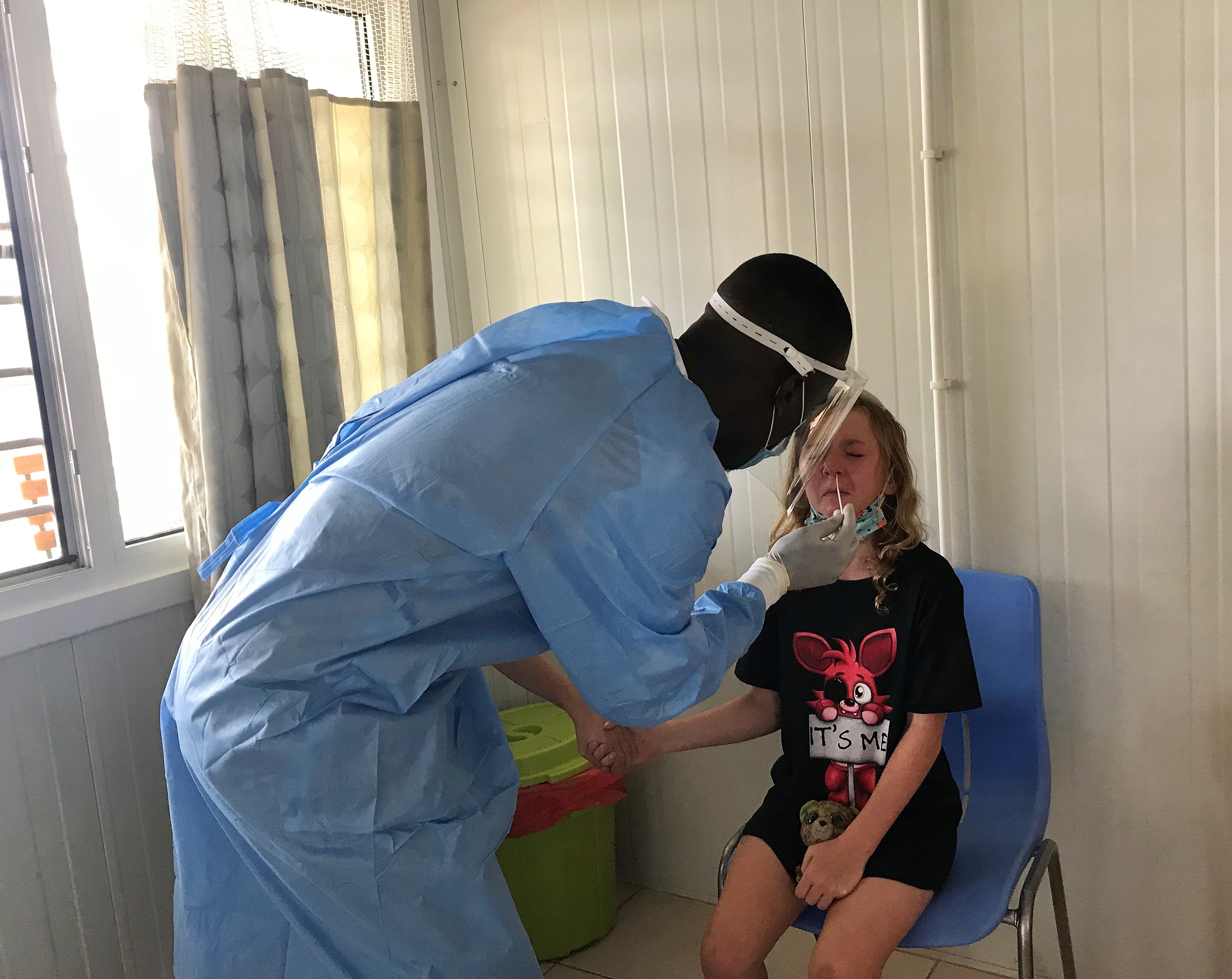
It was not a great experience. We went with friends with kids that C knows so they would have one another to lean on. There were patients and others loitering around the hospital grounds, almost none wearing masks. We had to ask the person administering the tests to put on a mask. (He did put on the mask and PPE to conduct collections). After waiting about an hour for the slow procession of testing, he ran out of forms. Once we finally went in, it was really uncomfortable. C, holding the hand of one of her best friends, cried. I might have stopped on the ground and said “Oh, come on!” when it seemed to take a bit too long.
We then had to wait several days. The hospital — no matter when you take you test — only allows pick-up of the results the day before your flight. Talk about pins and needles, wondering if you are in the clear or not, if you can fly or not. Our bubble has been so small since this pandemic began. A very small subset of the already rather small Embassy community. Still, the what ifs sit in the back of your head.
Three of us went to the hospital to pick-up the tests for our group of 14. Pick-up was not straightforward either. I offered to help rifle through the results looking specifically for the names I recognized because it was taking forever, just the three of us standing in a small room crammed with a desk, two chairs, some shelves, and tons and tons of papers. Thank goodness we were all negative (and while you might think — if any of us had been positive then, surely, the hospital would have informed us. But, I have it on good authority that is not always the case)!
With negative COVID test results in hand, a fair amount of the anxiety seeped away. Still, for me that was just step one. Step two was surviving the Lilongwe airport gauntlet – checks, double checks, and triple checks of our negative COVID certificates and multiple temperature checks. Step three was the flight — only two hours long, but after no flights for nearly a year, it felt so much longer. Step four was the Nairobi airport gauntlet — COVID certificate checks, immigration and e-visa checks, health surveillance form checks, and temperature checks. It was not until we stepped out of the airport and were on our way to the hotel that I could really relax. We were on vacation!






 Following our epic adventure to Lapland (


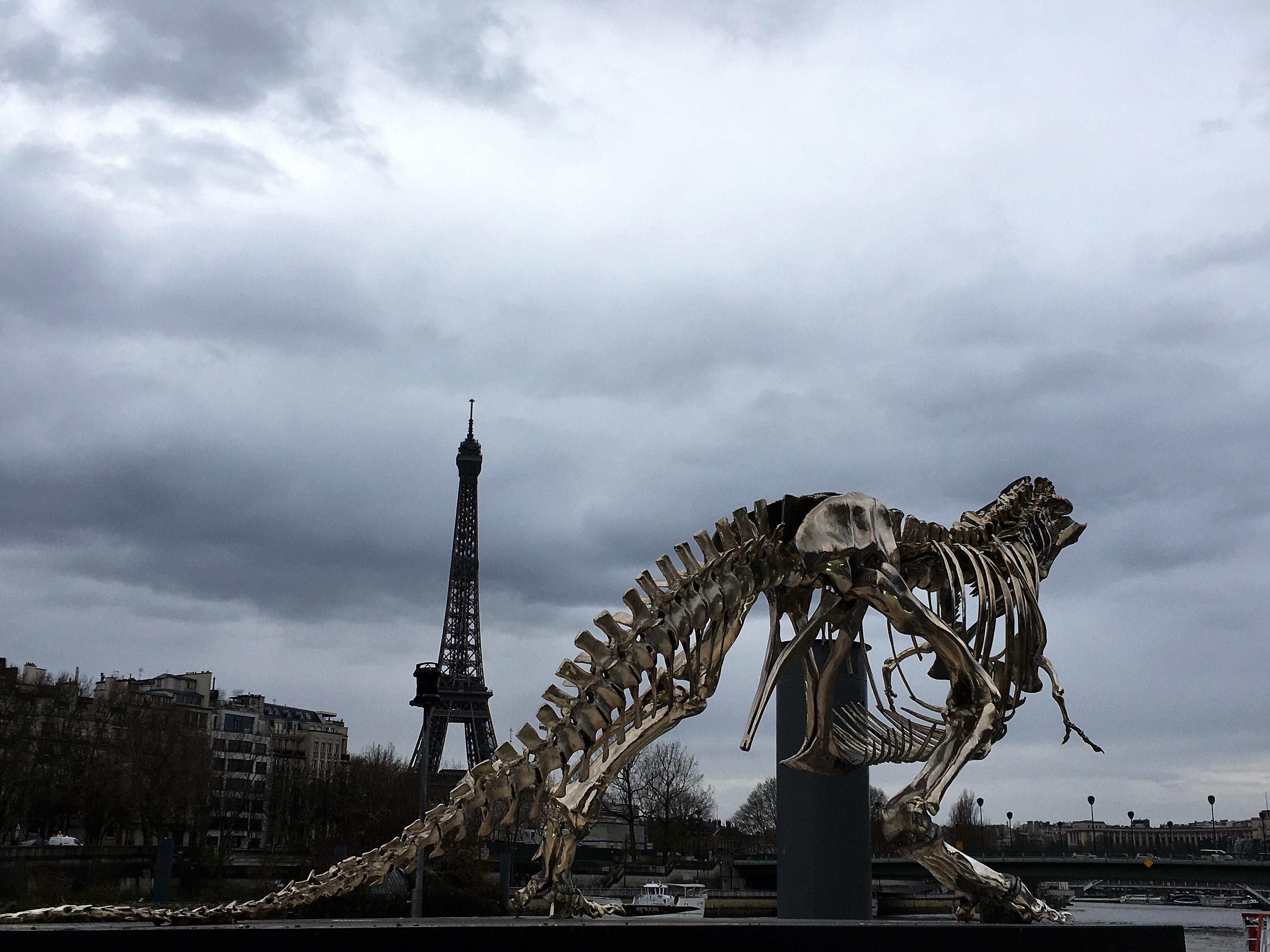

 The market was fun, festive, and chock full of many, many goodies. C wanted to play fairground games as I have only once before let her do so. After many, many tries she finally won – a cellphone holder. Ha! And then we hopped aboard the Roue for a few spins with a different view. This time we could look over the Tuileries, the Arc de Triomphe du Carrousel, the Louvre, and the grand buildings along the Rue de Rivoli, again also with spectacular afternoon sunlight. And as we left the market to head back to our hotel a double rainbow appeared. It was a glorious end to an overall wonderful trip.
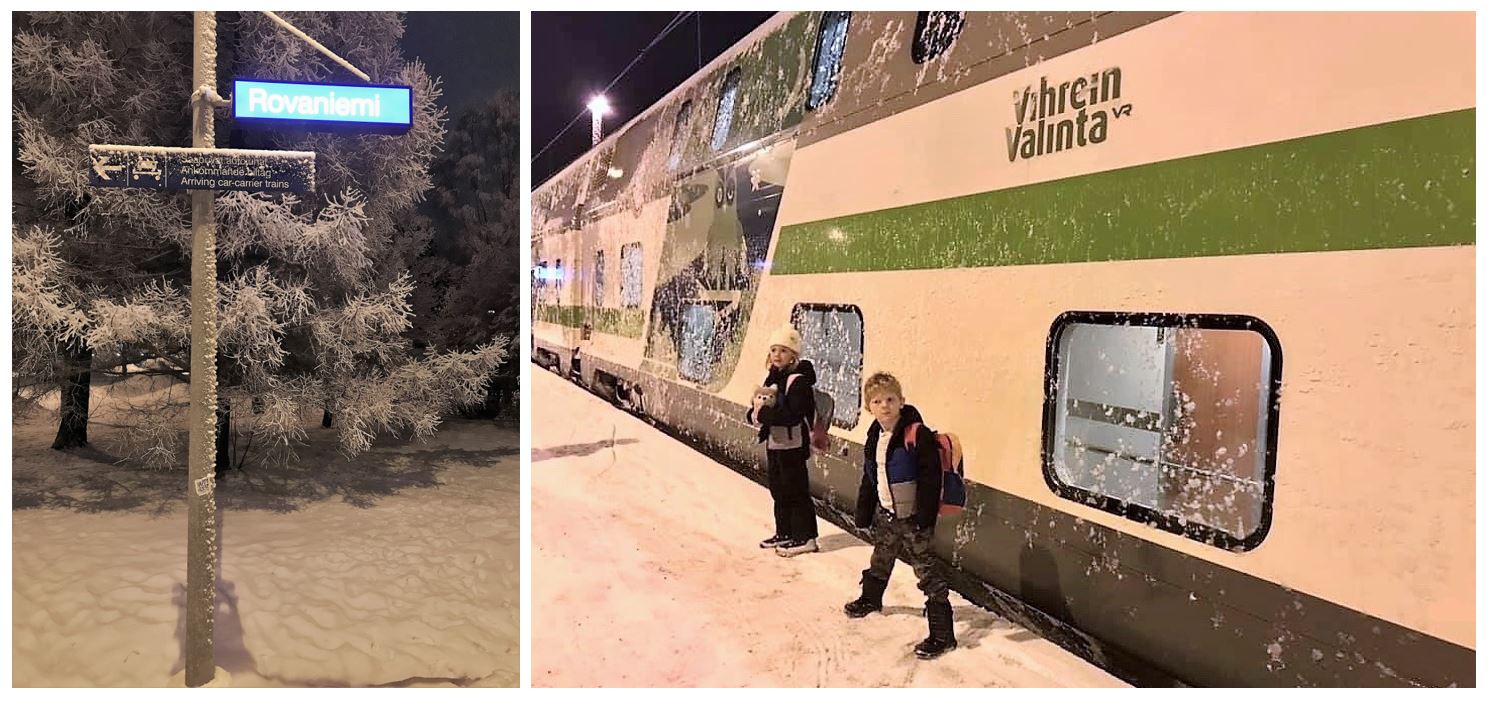
 Rovaniemi. Fourteen months ago I had never heard of this small city located just four miles south of the Arctic Circle in Finland’s northern region of Lapland. Yet after months of planning and expectation, the name began to roll off my tongue and also come to mean grand adventure.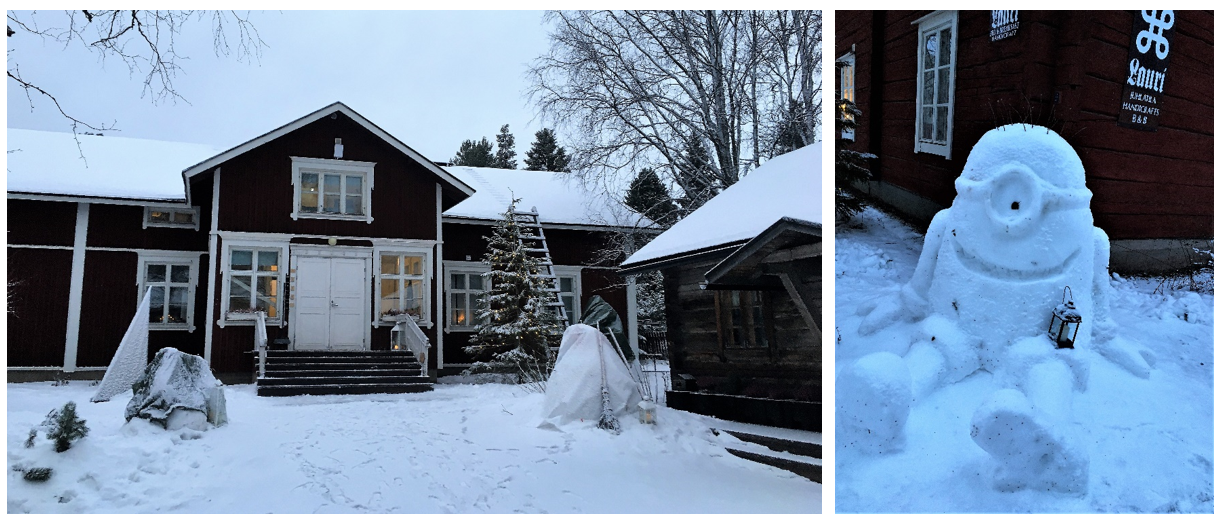


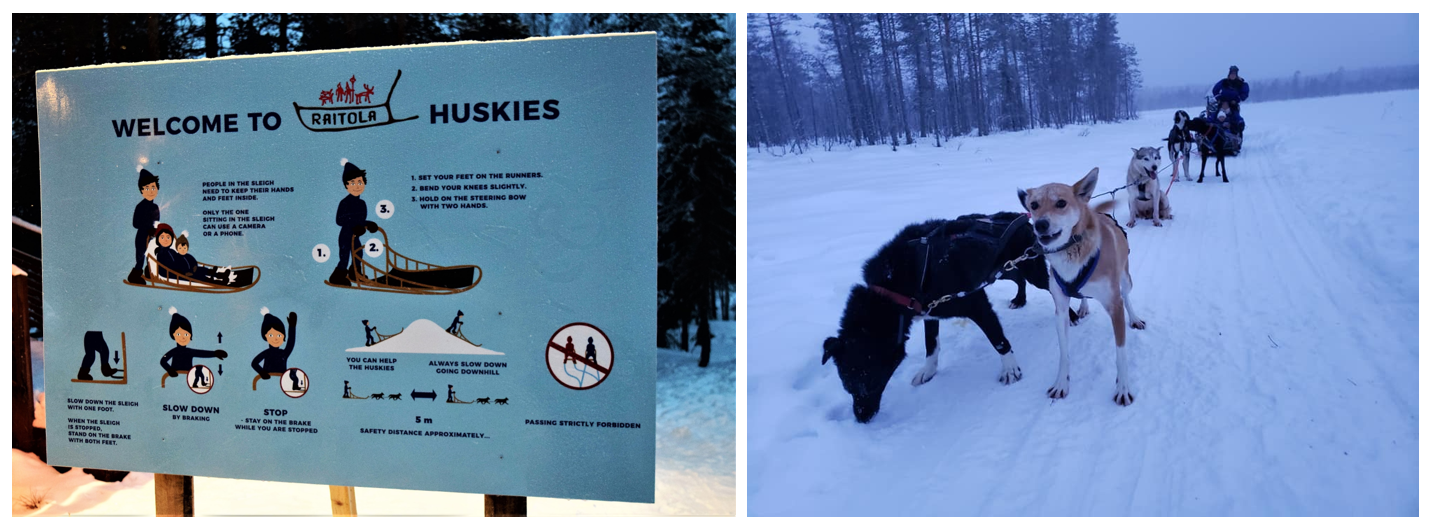
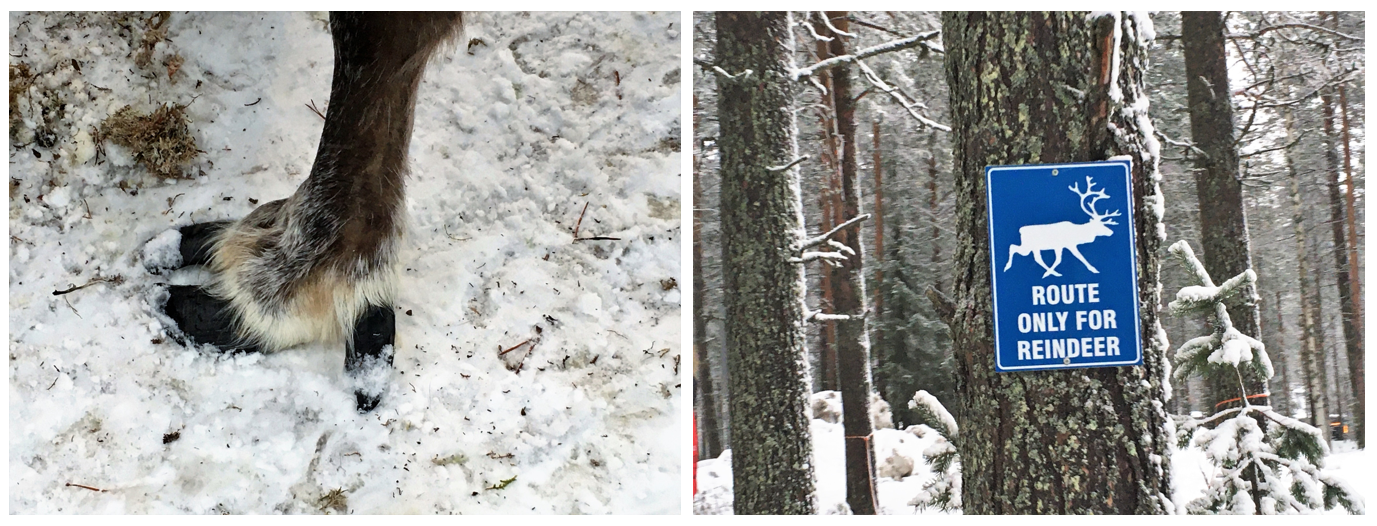


 About 14 months ago, while chatting online with one of my best friends CZ, she happened to mention her interest in taking her son Little C to Rovaniemi, the small city in northern Finland, in the region of Lapland, known as the Official Hometown of Santa Claus, around Christmas. She had just read an article about it. Funny thing is, I had also just read a similar article and had stayed up late researching the possibilities just the night before. We went back and forth a few times – excitedly discussing the possibilities, sending one another links to possible activities and lodging – but then it fell out of our conversation. Lapland seemed really far away, further away than just time and distance. Nonetheless, the seeds of this adventure were planted.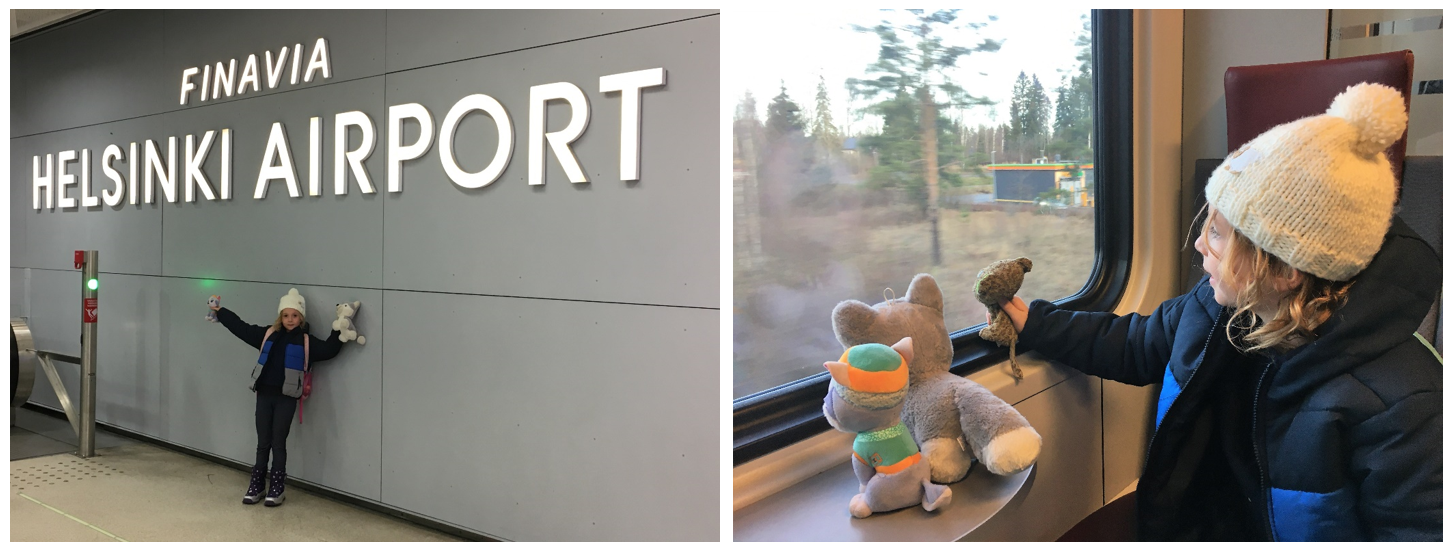



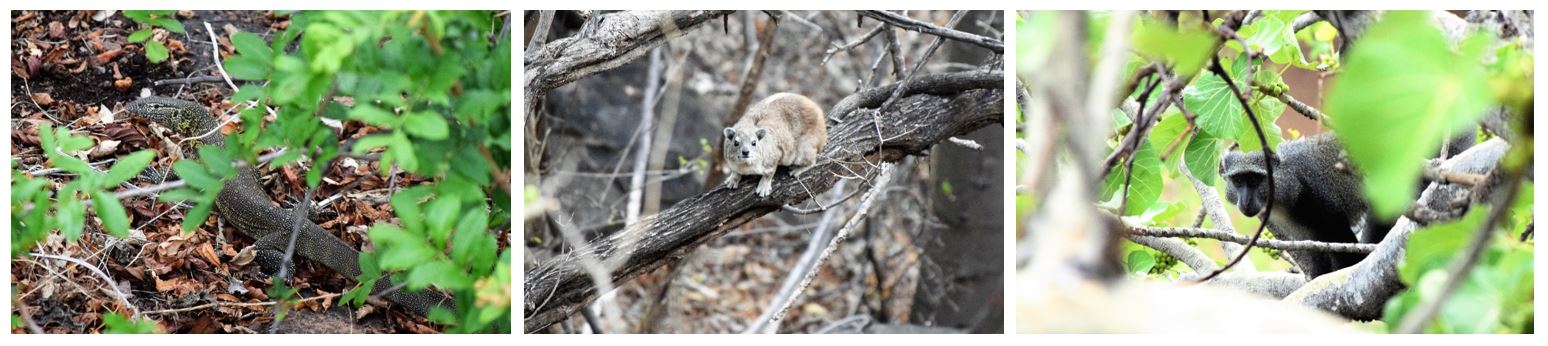

 We had one last dinner and breakfast together before beginning our slightly stressful race against time to get D&D to the airport for the first flight on the way back to California.
 Americans’ love affair with the car is no secret. In reality, Western Europeans have more cars per person than Americans, but Americans drive their cars for just about anything – short trips, long trips, and everything in between. And when Americans go on long trips, they might be just as likely to pack up the car as to get on a plane. Americans (in general) love a good road trip.
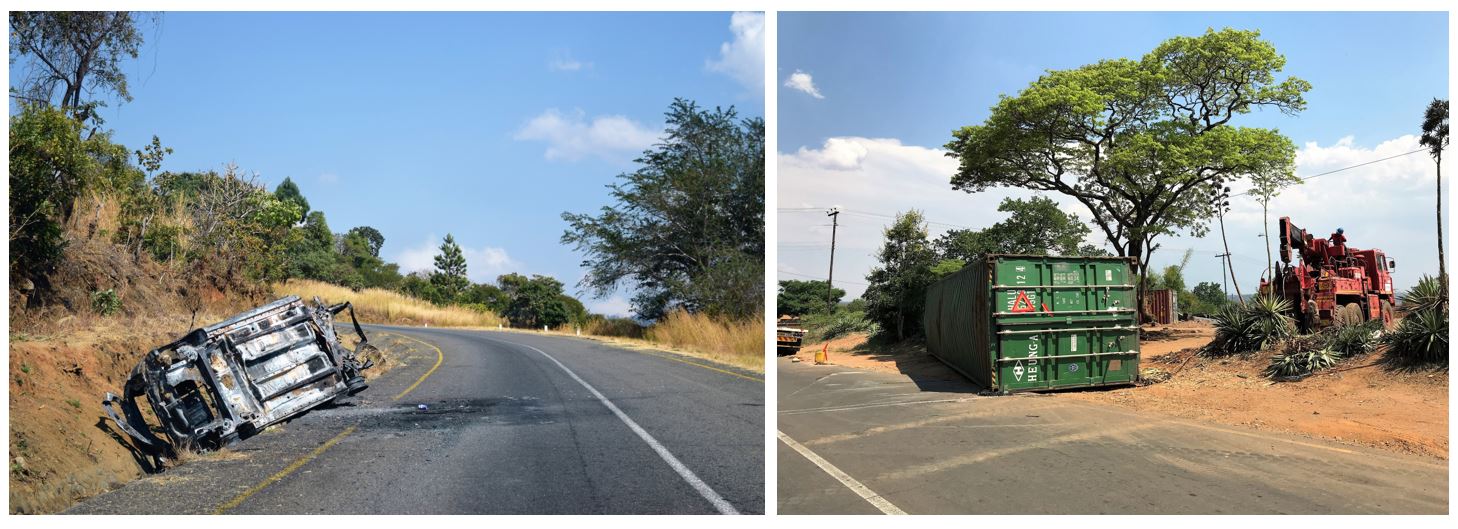
 The paved roads, even the main ones, are predominantly two lanes, one in each direction. Maybe there will be a painted center line, maybe not. Maybe there will be a shoulder, though usually not. Most often the sides of the road are jagged, as though a large monster that eats asphalt has bitten huge chunks off the edges. There are many potholes. Near villages, there will be cyclists, and it seems almost a given that as your car approaches they will begin to weave haphazardly, adding an extra challenge to an already difficult drive. There are also often goats or cattle alongside the road — the cattle are usually accompanied by children or young men, the goats are often unattended and maybe a wee bit suicidal, or at least not phased by traffic at all. However, if you hit someone’s livestock, be prepared to pay up.