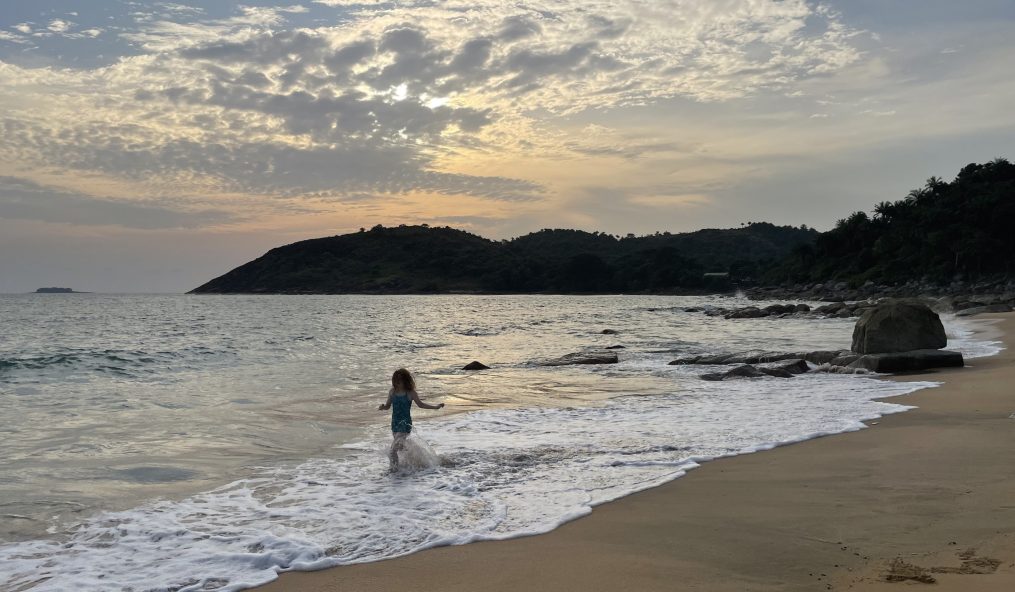

Within inner circles of the Foreign Service, one of the much-discussed downsides of the lifestyle is the lack of friends and family willing to visit us overseas. Even those who find themselves in a fairly fantastic post – say Paris or Hong Kong – may find that not quite as many folks from home who promise to visit do. And for those of us serving in those not-quite-so-garden locales, our attempts to lure visitors (“look at this fabulous guest room just waiting for your arrival”) go far more ignored than grasped.
I never expected to have people knocking down my virtual door or blowing up my inbox, clamoring to visit us in Malawi. To be honest, until I started to look at potential places to bid for my third assignment, I had never heard of the country. And it is in Africa. Although the continent has a rapidly growing tourism market (the second fastest-growing market in 2018), it still captures a small part of the tourism pie. In 2018, 67 million tourists visited Africa. Compare that to the 90 million that visited France alone. The top visited African destinations were places like South Africa, Zimbabwe, Mauritius, Morocco, Tunisia, and Kenya. And most of these tourists are not Americans who tend to stick to Western Europe and the Caribbean – of the top 39 overseas places Americans visited in 2017 only two African nations made the list – South Africa and Morocco – at place #36 and #39 respectively.
So bottom line, there are not many people who would come more than halfway around the world to visit us in a small, relatively unknown developing country. But I do have those few. D&D are two of those people. They have visited me in Indonesia and Mexico (both before my blogging days), they had plans to visit me in China (until an unexpected medical evacuation caused that cancellation), and C and I visited them in San Francisco during Home Leave a few years ago.

DO1 and I went to college together many years ago; he was my big brother in our service fraternity. He loves traveling and visiting UNESCO World Heritage Sites around the world and has no qualms about traveling WAY out of his way to see them. His partner, DO2 (yes, they have the same first name and their last names start with the same letter), may not love traveling quite so much but is a really good sport. It was no surprise that DO1 contacted me in the summer about visiting Malawi for Thanksgiving, in conjunction with a trip to South Africa.
On Thanksgiving Thursday I picked up D&D at the airport and we headed to the Italian restaurant around the corner from my home for lunch. I also took them for a little spin around Lilongwe to see all the sites — that really and truly is a short drive. Once C was home from school, we all headed out to Latitude 13, an upscale boutique hotel not far from my home. C and I have often eaten at Latitude’s restaurant and I have long wanted to stay overnight there. After all, when Rihanna visited Malawi, she stayed there. So, you know, if it is good enough for Rihanna, it is definitely good enough for me.

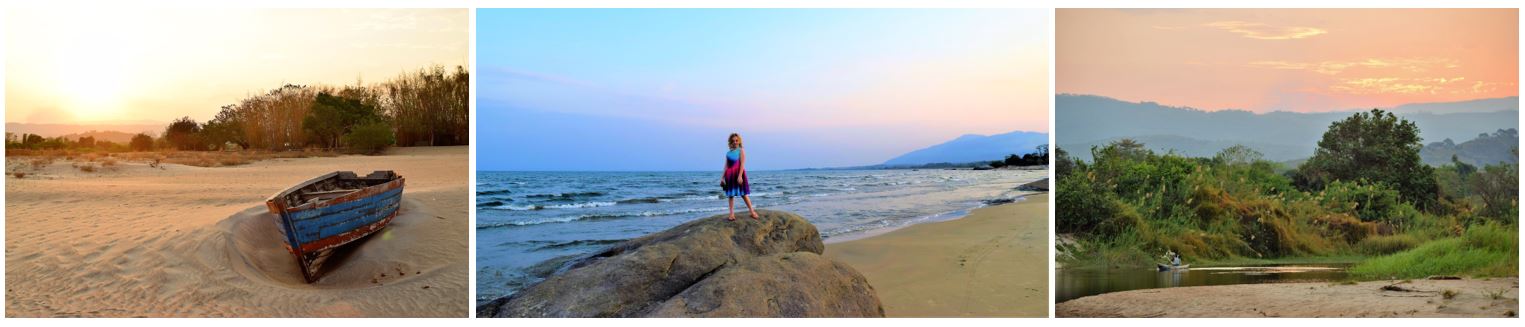
Early on Friday morning, we started our three and a half-hour drive to the beautiful resort of Pumulani, located within the Lake Malawi National Park, a UNESCO World Heritage Site. Last year, we also spent Thanksgiving at Pumulani. We had such a great time there before, it made perfect sense to return. And D&D would have the amazing opportunity to enjoy the long stretches of Malawi road along the way. I mean that tongue in cheek as it is really not that exciting. It’s rather amazing for a country that is so densely populated that one can drive for miles with little signs of civilization.

Our rooms at Pumulani were as stunning as the last time. Pumulani is built up a rocky hillside along the lakeshore. There are ten villas set from at various levels — one at the beach level, and then at various stages up the hillside — there are 150 wooden steps from the beach up to the main lodge. Previously, C and I stayed at the upper level, with a bush view. This time, by my request, we stayed at a villa at the mid-level, where I had heard rock hyraxes were sometimes spotted. We also had a lake view. D&D were in a villa a little way down the boardwalk, a level below us.
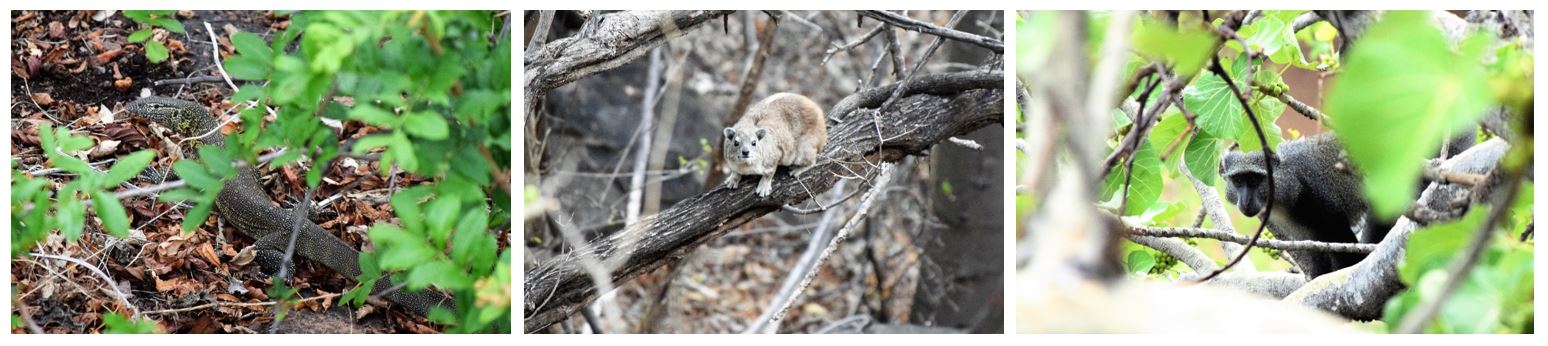
While standing on our balcony, overlooking Pumulani’s small dock on the lake, a movement in the brush caught my eye. A good-sized monitor lizard, a little over two feet in length, skidded hurridly down an embankment. And then, giving chase, a rock hyrax! I could not believe it. The hyrax lept into the branches of a tree and settled in for a little rest. Upon looking around, I noticed not one, not two, but three hyraxes sitting in the trees. Wow! On our last trip, we had not seen a single one, and now here they were hanging around our villa. Soon enough, vervet monkeys ran across the roof of our villa, then leaped into the trees.
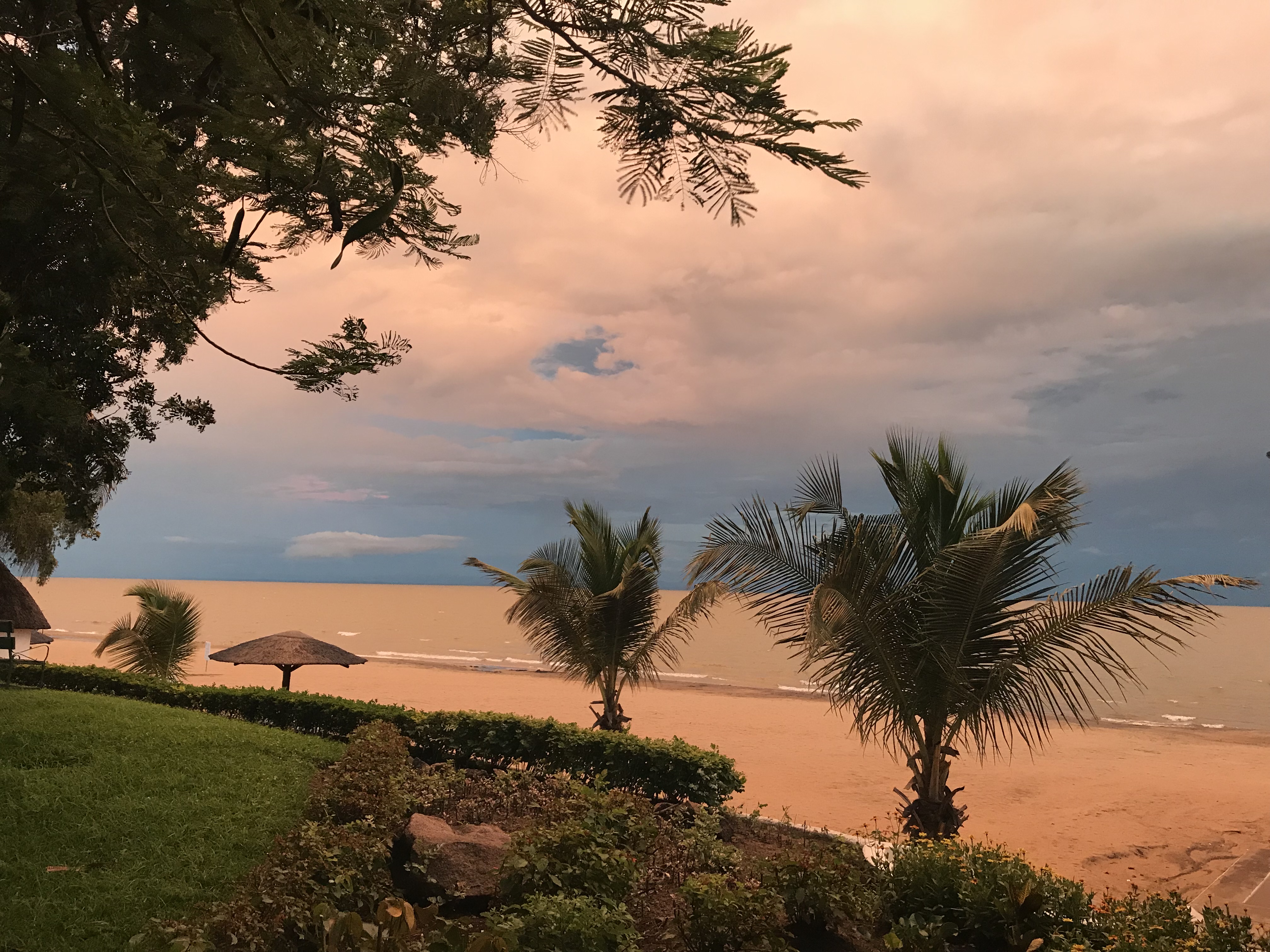
We enjoyed lunch together on the dining patio at the main lodge overlooking the upper pool, the dock, and with a tremendous view of the lake. It was hot. Very, very hot. Although the sky was clear, rain was in the air, and thus so were the lake flies. So while Pumulani food is very good, and the view and company were perfect, the swarming flies marred the otherwise lovely meal. The heat and insects, full stomachs and exhaustion from the road trip, drove us each to our rooms and the lake beach for some relaxation. The storm rolled in, guaranteeing there would be no late afternoon dhow sail on the lake, but the stormy skies were nonetheless atmospheric and cooled the temperatures to something more bearable.
I kept a respectable distance from the lake waters abutting the Pumulani beach. On our last visit, while C played by the lakeshore and I lazed in a swing chair, a Pumulani staff member approached my daughter and told her to stay away from the lake as a crocodile was nearby. This time we asked about the crocodiles and were told, “oh, its only the one and we haven’t seen him in oh, two or three…days.”
Unfortunately that evening I came down with a stomach bug. I could barely drag myself up the 100-some steps to the dining area, and once there, I could not stand the thought of food. Nor the idea of still sharing my meal with the hundreds, no thousands, of bugs teeming around the few lights. I called it an early night, leaving D&D to the mercy of the insects, and arranged for food to be delivered to our room for C.
The next morning I was good as new, thank goodness. D&D headed out on a hike and kayak tour after breakfast, but I could not get C to agree. With a recently busy work schedule and an upcoming training trip to Addis Ababa, I was fine with taking it easy. It helped that we had been to Pumulani before. C and I watched the rock hyraxes from our balcony and then headed to the pool to cool off. I noticed another guest taking some photos with a serious lens and following the direction noticed a baboon in a tree. I started to head down to the room to get my better camera when the trees around us began rustling and a baboon burst out next to the pool. It eyed us, especially my daughter, and made as though it might jump in the pool with her, and then it reached down to cup a few handfuls of pool water before leaping back into the brush.

We all had lunch together again but then D1 headed off for a snorkeling adventure. He was going to make sure he did Lake Malawi right – not just spending time by the lake, but also on the lake (kayaking) and in the lake (snorkeling). I have heard a saying since coming to this country that if you haven’t been to the lake, you have not really been to Malawi. Although D&D would have only a few days in the country they were making sure to really check the Malawi box. The rest of us lazy, fair-skinned folks continued doing our best to enjoy the relaxing pleasures of Pumulani.
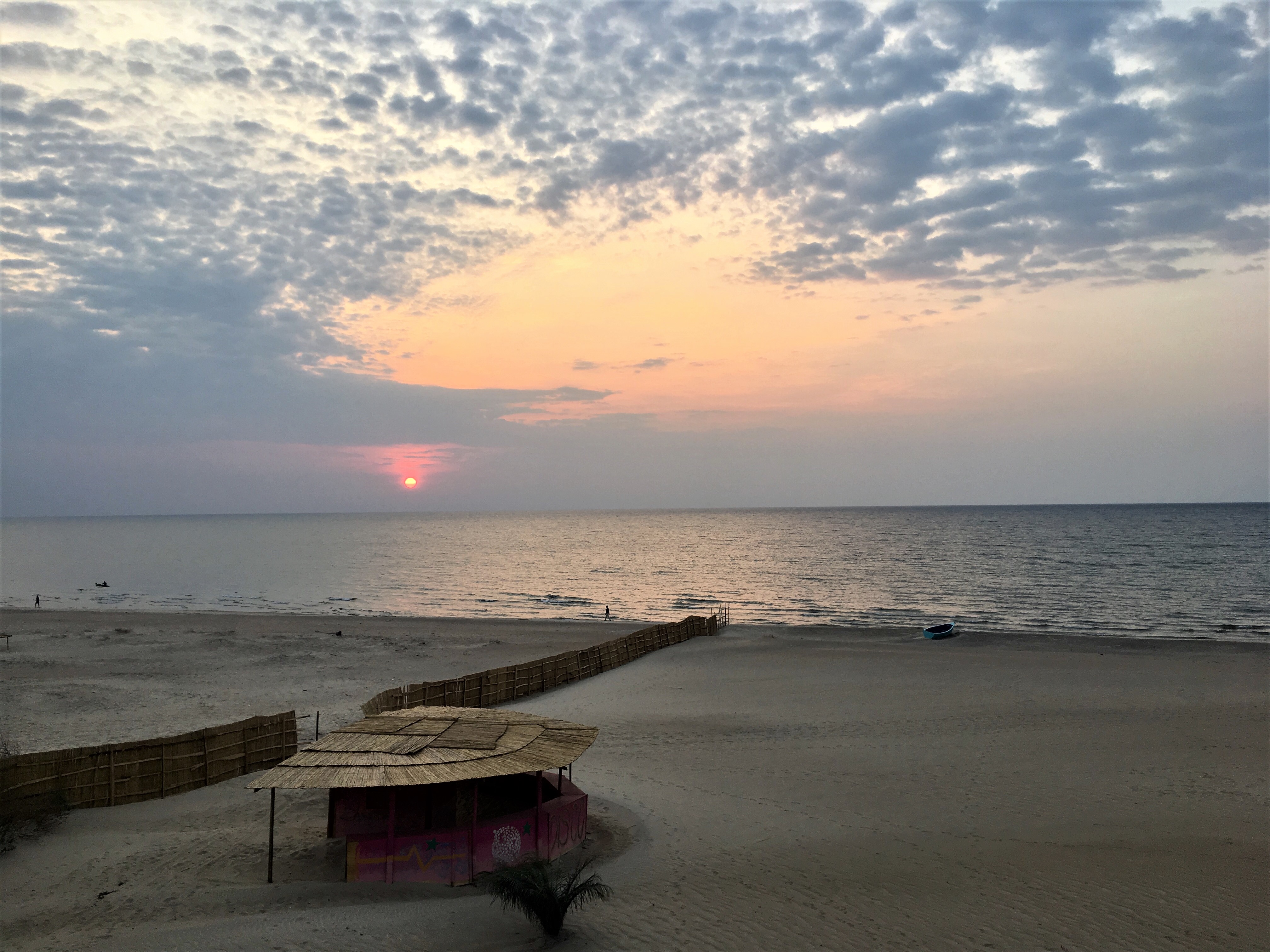
We were incredibly lucky that the rain stayed away so that we could go out on the dhow. we piled into the wooden sailing boat along with a family of four and headed out onto the water. I was thrilled that we once again were able to see a hippo – in fact we saw two – enjoying the waters of Lake Malawi (at a safe distance from our vessel). More rain was on the way so we could not stay out as long as usual, but again, the impending storm turned the sky incredible colors for one of, if not the most spectacular sunset I have seen in Malawi. Normally, sunsets here seem quick: a round red ball of flame just above the horizon that burns bright for five minutes before suddenly dropping away. This time the sun took its time, sliding languorously down, and even after hiding away for the evening, the sky changed colors for the longest time.  We had one last dinner and breakfast together before beginning our slightly stressful race against time to get D&D to the airport for the first flight on the way back to California.
I understand that many of my friends and family cannot make such a trip for various reasons. And therefore I share a lot of photos of our home, our activities, and our lives in Malawi on social media, but little can compare with an in-person visit. It was a short visit but I am so thankful that I have friends like D&D who are willing to come more than halfway around the world to see us.
 Americans’ love affair with the car is no secret. In reality, Western Europeans have more cars per person than Americans, but Americans drive their cars for just about anything – short trips, long trips, and everything in between. And when Americans go on long trips, they might be just as likely to pack up the car as to get on a plane. Americans (in general) love a good road trip.
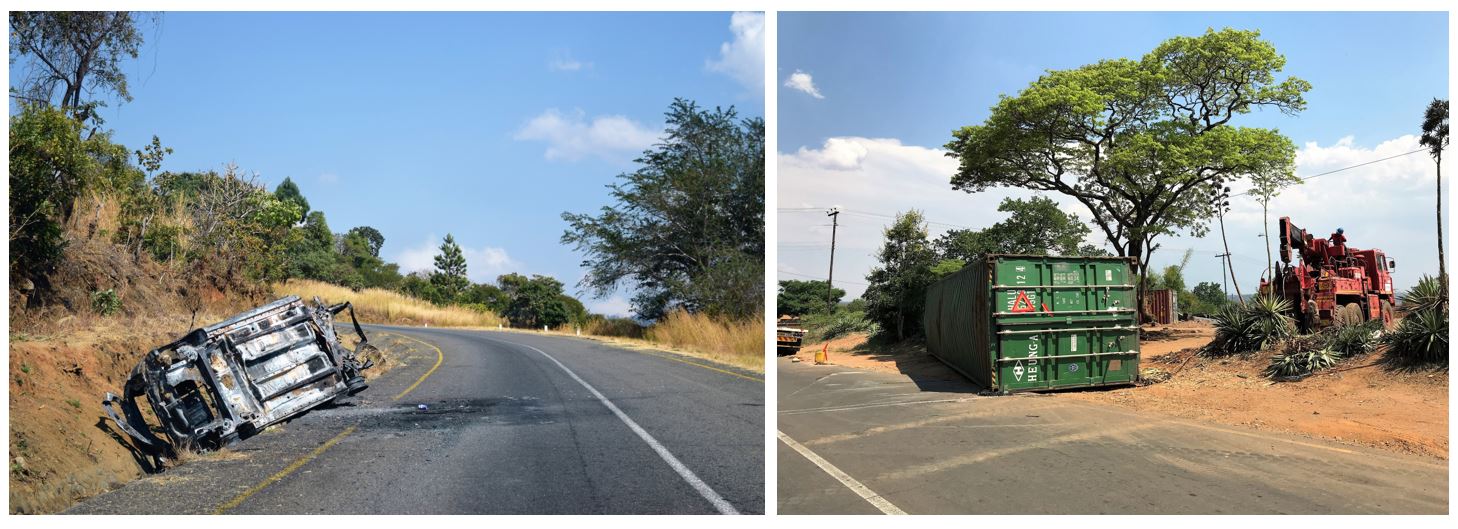
 The paved roads, even the main ones, are predominantly two lanes, one in each direction. Maybe there will be a painted center line, maybe not. Maybe there will be a shoulder, though usually not. Most often the sides of the road are jagged, as though a large monster that eats asphalt has bitten huge chunks off the edges. There are many potholes. Near villages, there will be cyclists, and it seems almost a given that as your car approaches they will begin to weave haphazardly, adding an extra challenge to an already difficult drive. There are also often goats or cattle alongside the road — the cattle are usually accompanied by children or young men, the goats are often unattended and maybe a wee bit suicidal, or at least not phased by traffic at all. However, if you hit someone’s livestock, be prepared to pay up.



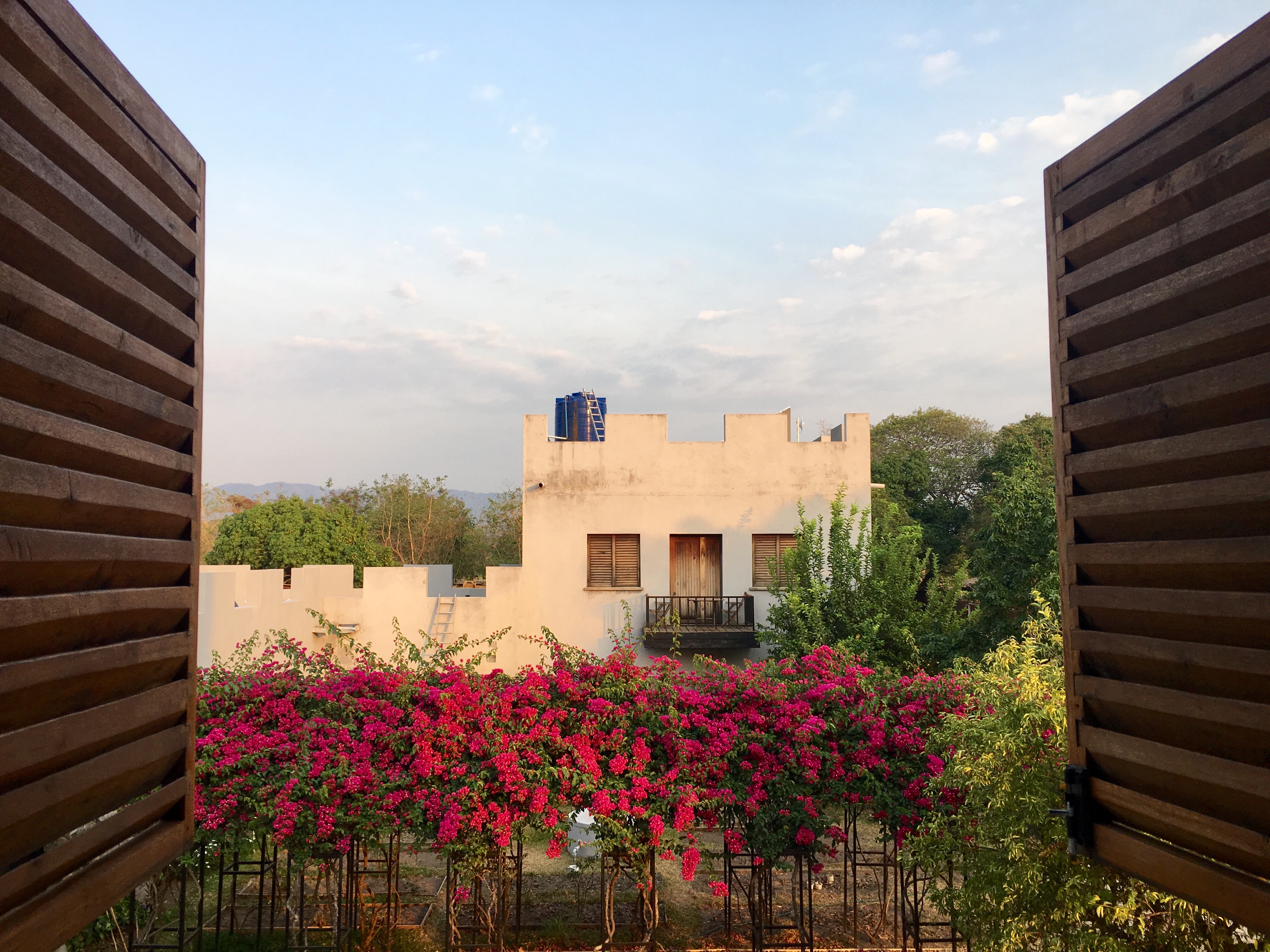


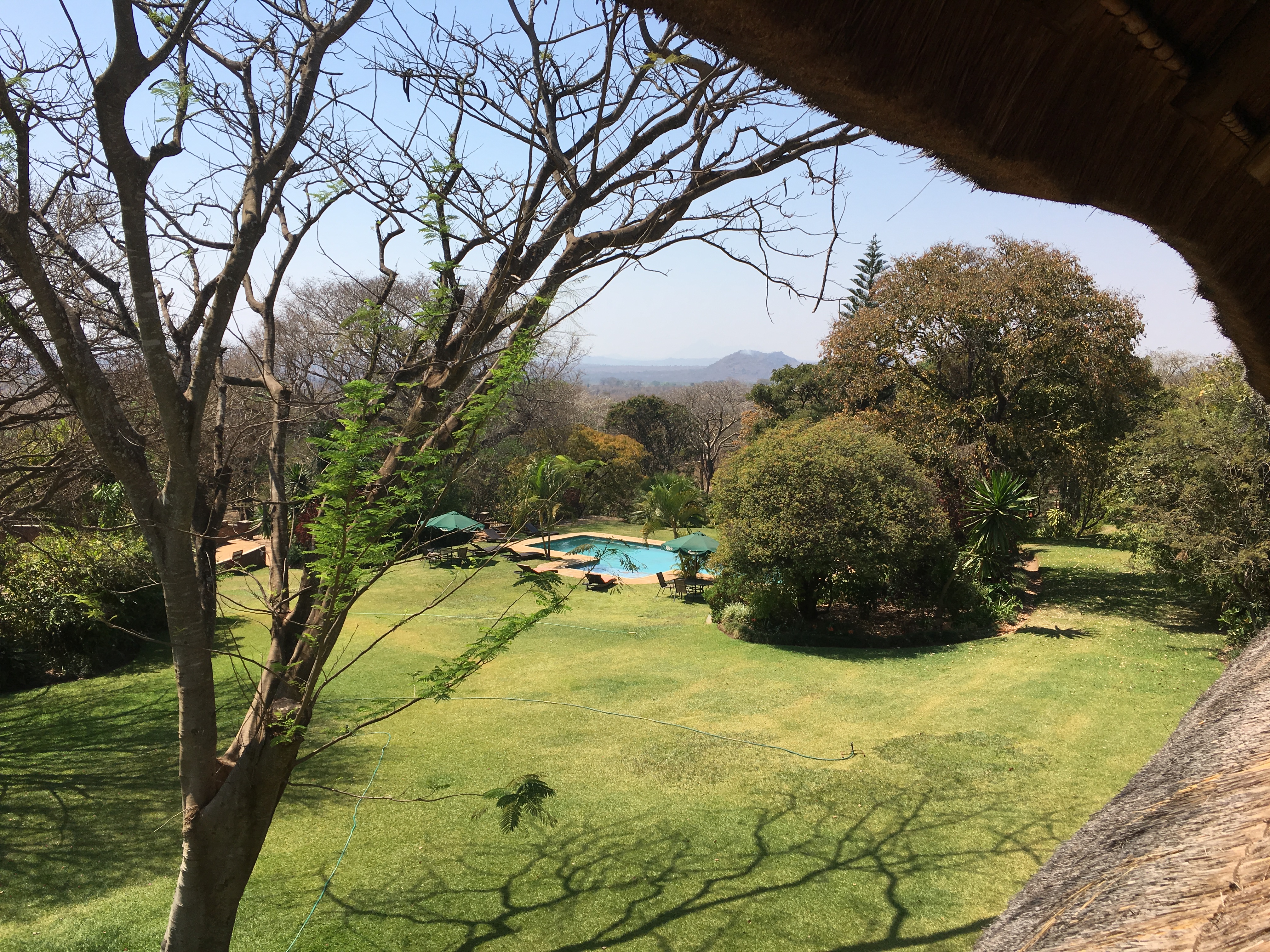
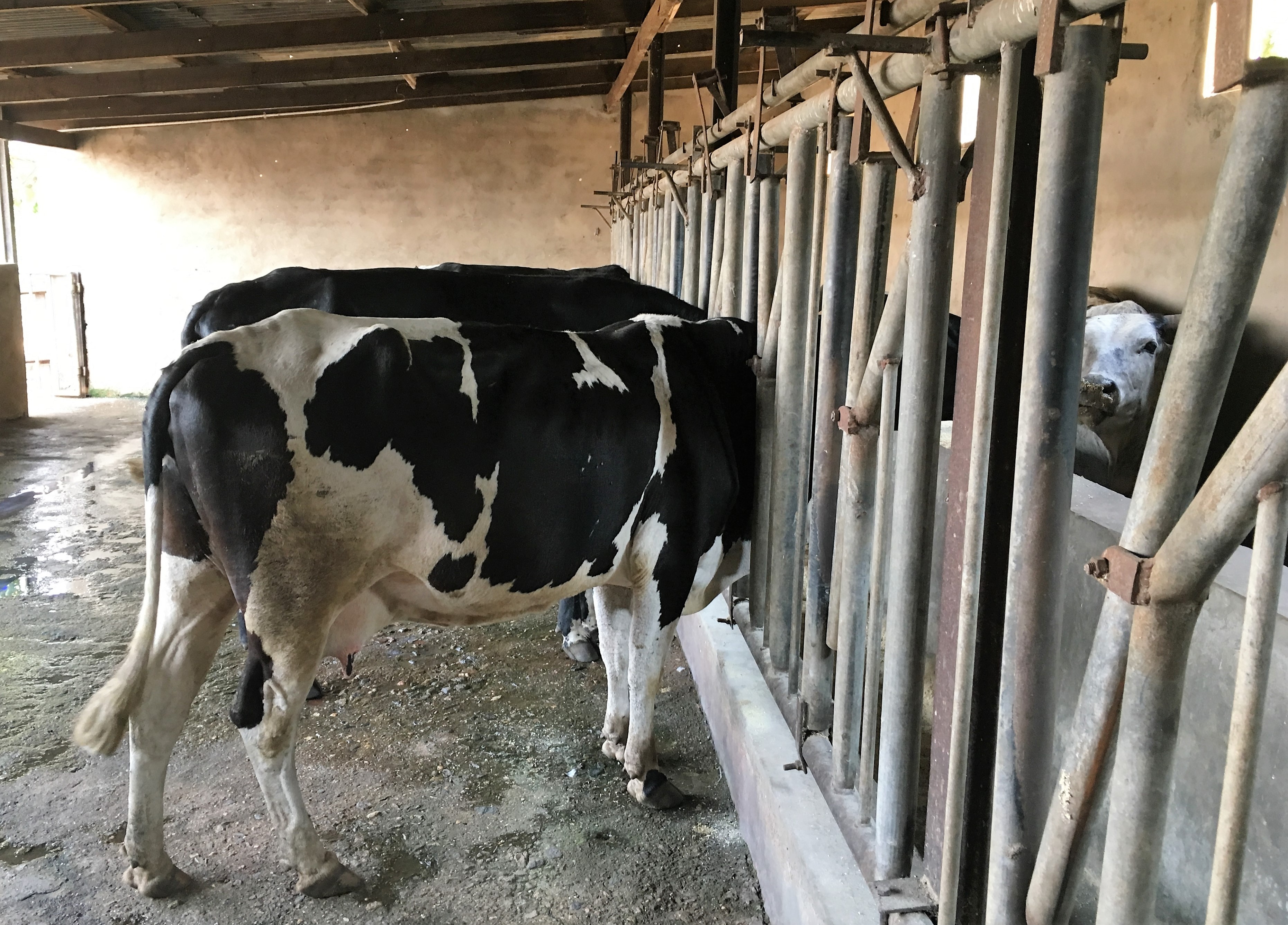
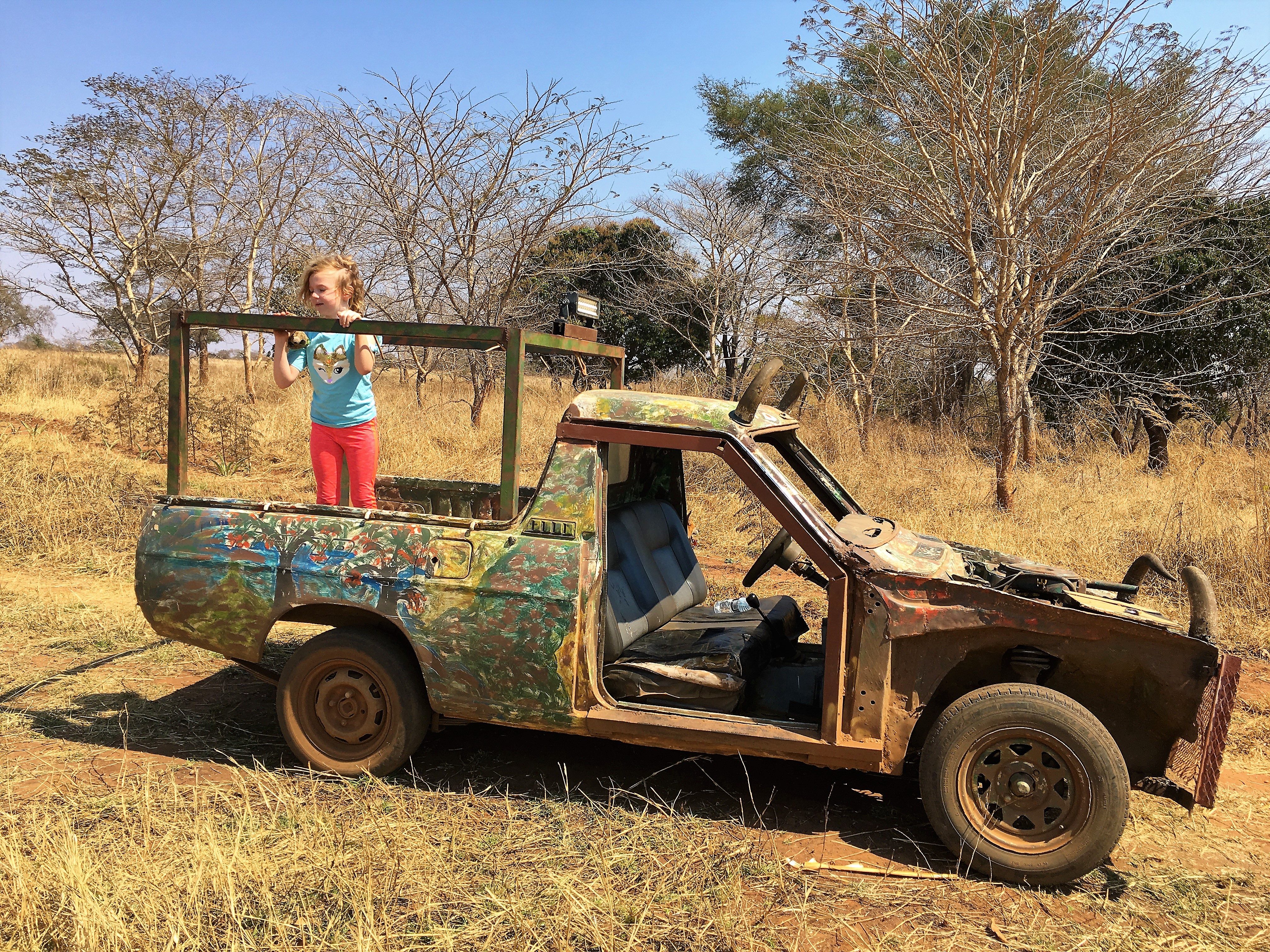 The following morning after breakfast we took part in a one hour farm tour, just our guide, C, and I in a dilapitated, push start, bare bones truck used just for tooling around the farm. There is a picture of Madonna with four of her children posing in this vehicle, published in People magazine. We didn’t tap our inner Madonnas though, C and I are plenty adventurous ourselves. Still, it was kinda cool to be in the same vehicle.
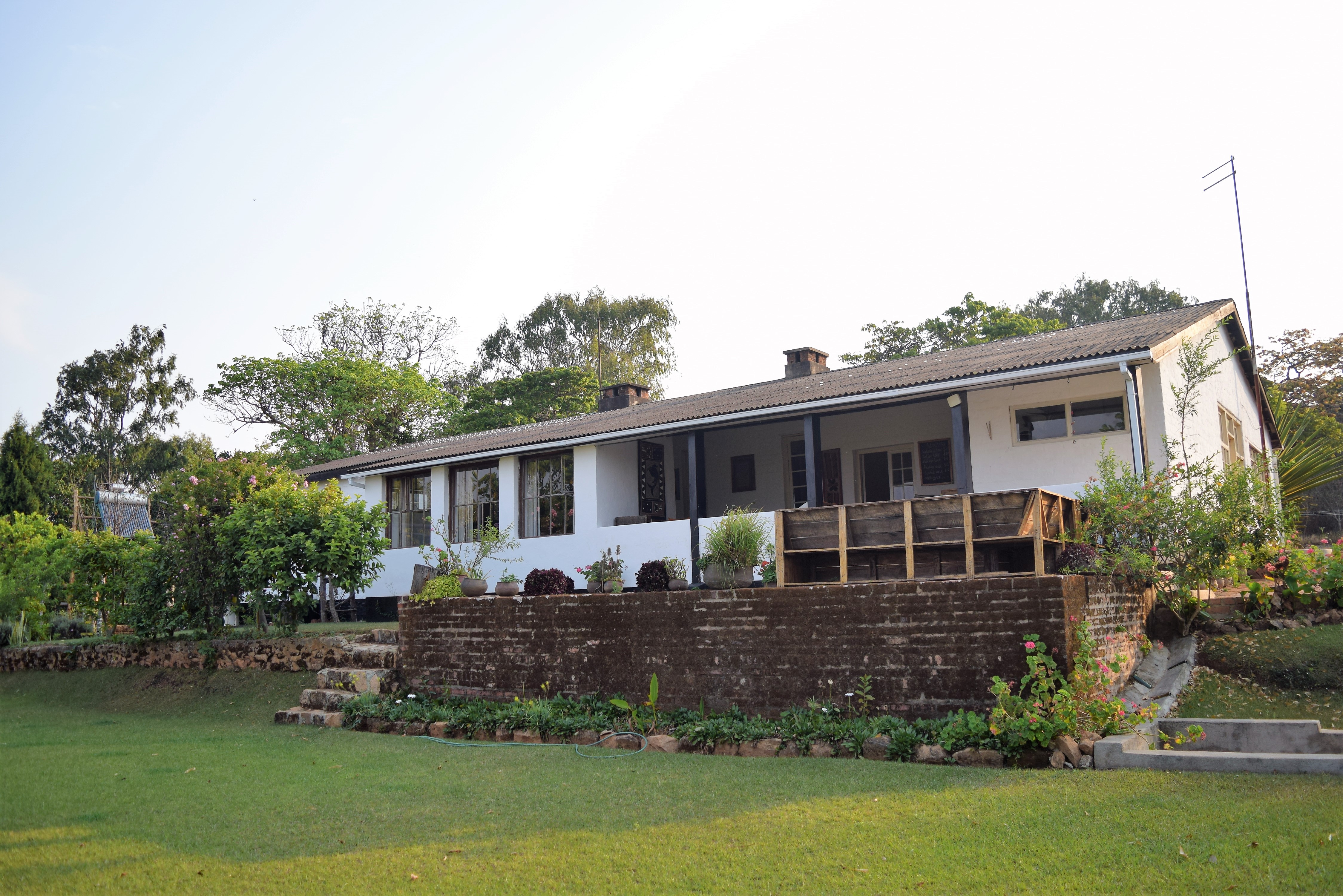 The lodge is a refurbished historic colonial building, once cool, higher altitude leisure residence of a British district commissioner, then a resthouse of the Forestry Department. Dating from 1914, its actually one of the oldest buildings in Malawi. It is located within the Ntchisi Forest Reserve, one of the few remaining indigenous rainforests. Its been on my Malawi bucket list and sounded like a great one night getaway.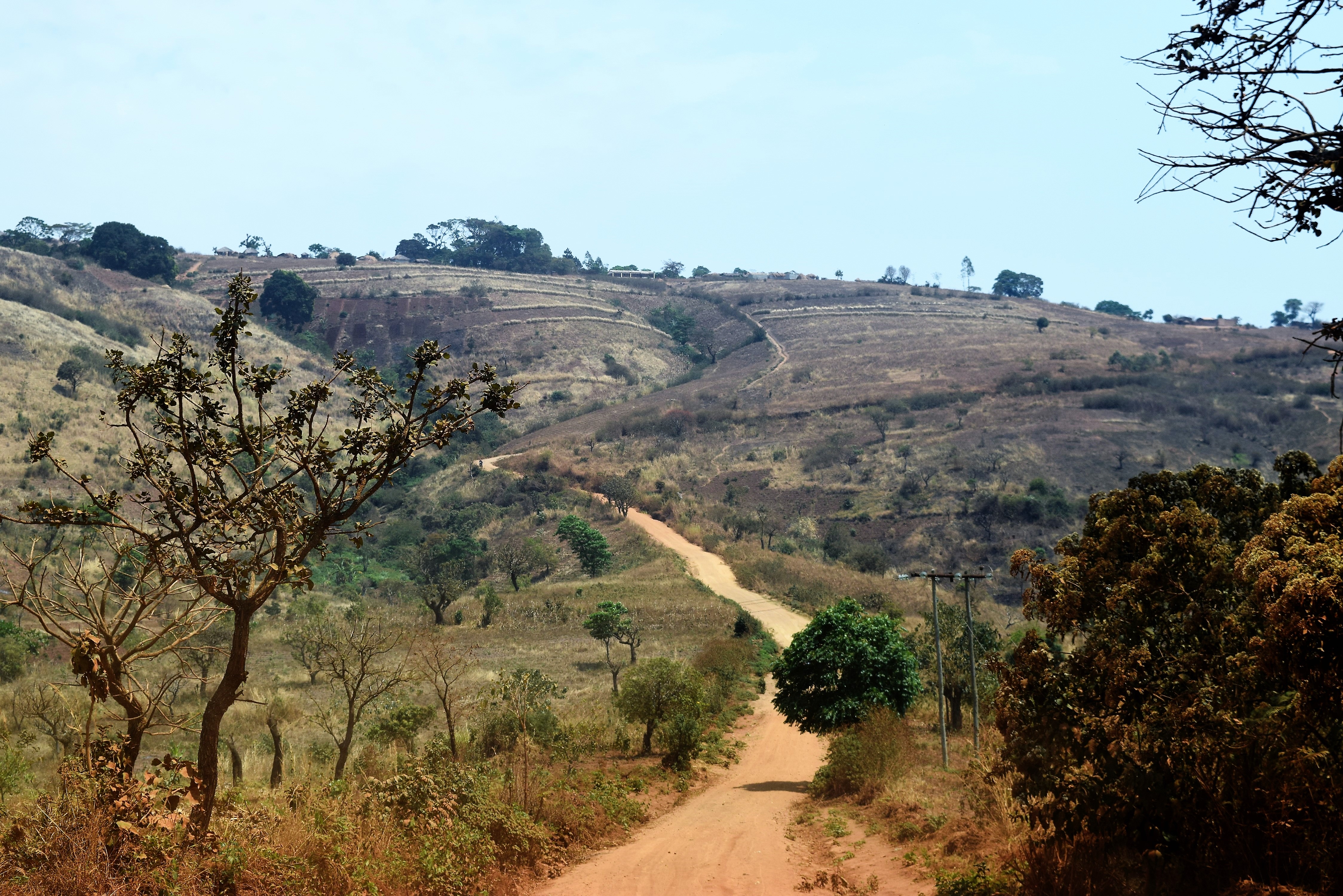
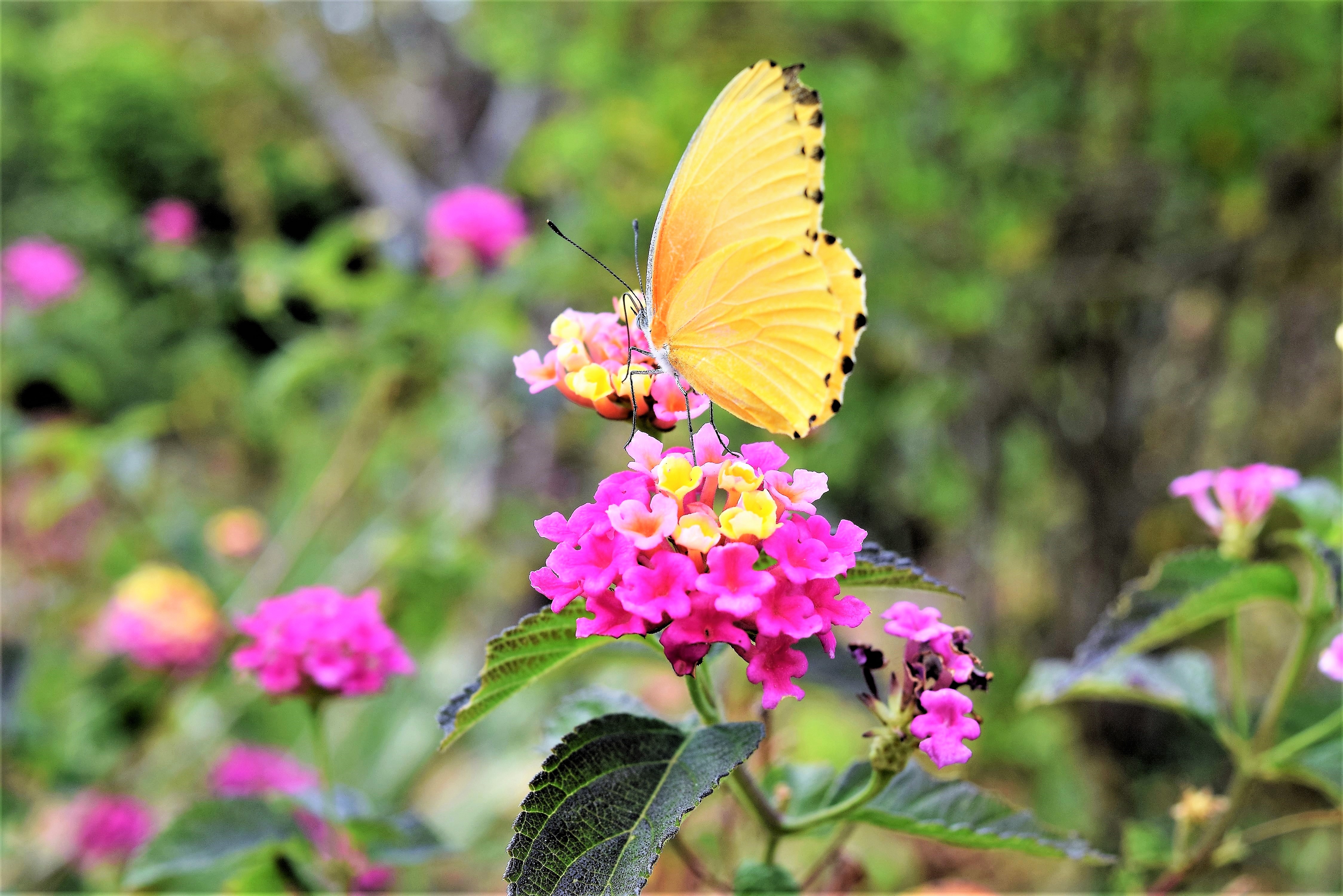 It is set on a lovely open piece of land surrounded by the forest, on an escarpment with views across the East African rift valley. The scenery is immediately relaxing. We got ourselves settled into our respective rooms, C and I in the lodge, and AS and her family in the forest cabin. Then C and I had fresh sandwiches for lunch. As C quickly finished and ran off her friends (well her friend, she tolerates her friend’s sister), AS and I sat talking, looking out the window, breathing in the beauty. There are plenty of hikes the lodge can arrange, but I wanted to do little but be away from Lilongwe. The gardens of the lodge, full of flowers as well as herbs and vegetables used in their meals, were also full of butterflies. I am a huge fan of nature photography and enjoyed just wandering the grounds in search of lovely things.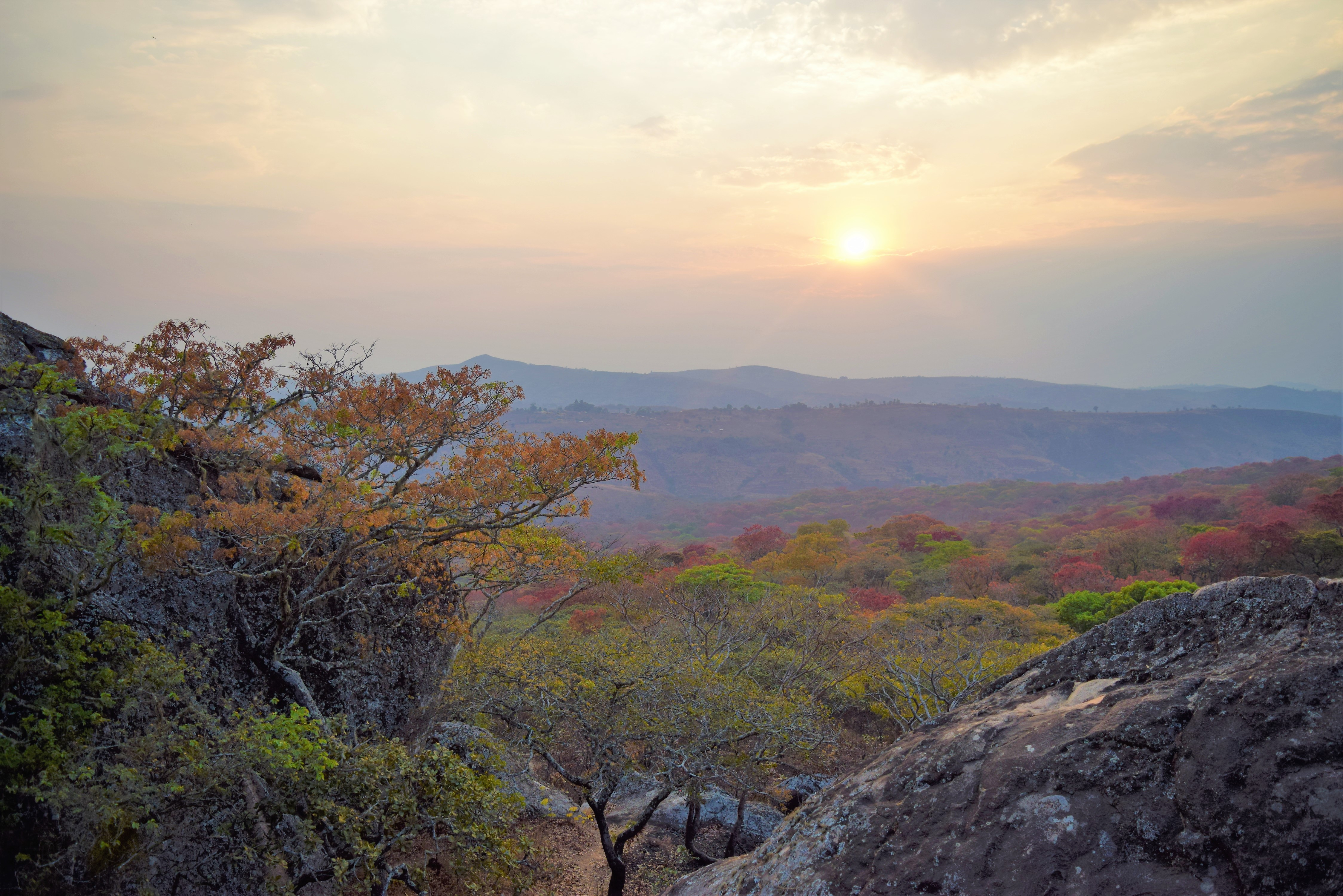


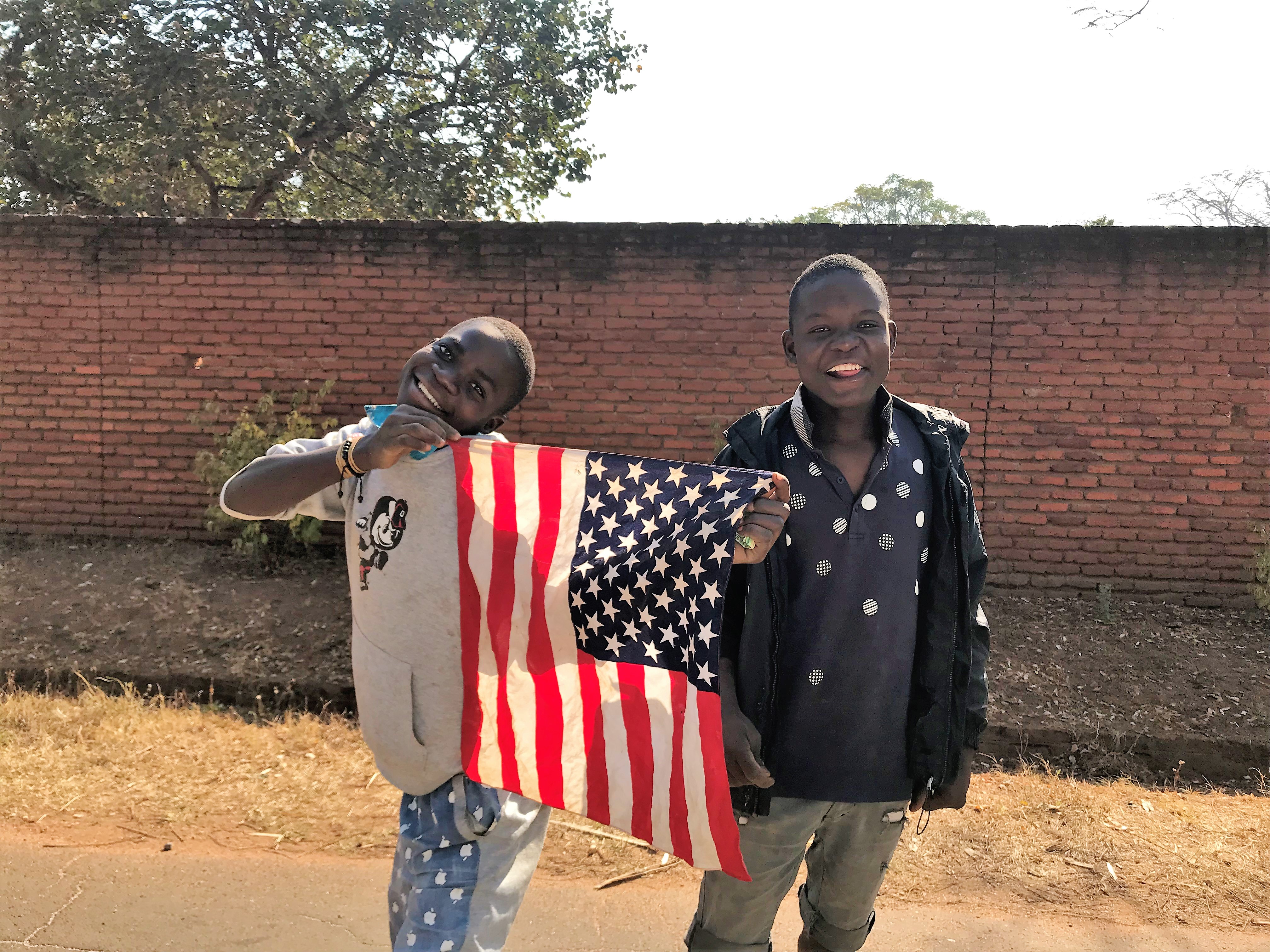 Take these two boys. I have seen them, part of a group of some 5 to 7 boys aged around 8 to 14, begging at a traffic light near the Parliament building the whole two years I have lived here. They hail from Kauma, a predominantely poor community in Lilongwe, basically a slum, not far from my own home. I do not give the boys money, but I have from time to time given them boiled eggs, bananas, apples, crackers, bottled water, and the like. From a few months ago, the gang seems to have split up — perhaps finding the corner of an oft-busted traffic light, on a road sometimes closed due to protests, not the plum place it once was. These two boys seem to have migrated to my very own neighborhood where they pound up rocks and bricks to fill potholes the local and city government fail to ever fix. They do the work and then sit back waiting for residents to pass by and reward them for the favor. I have started giving them a little money — they are after all providing a real service now. Imagine recently as I pass them, they stand, and one unfurls, of all things an American flag, that he had held tightly in his fist. They jump up and down happily chanting “America.”



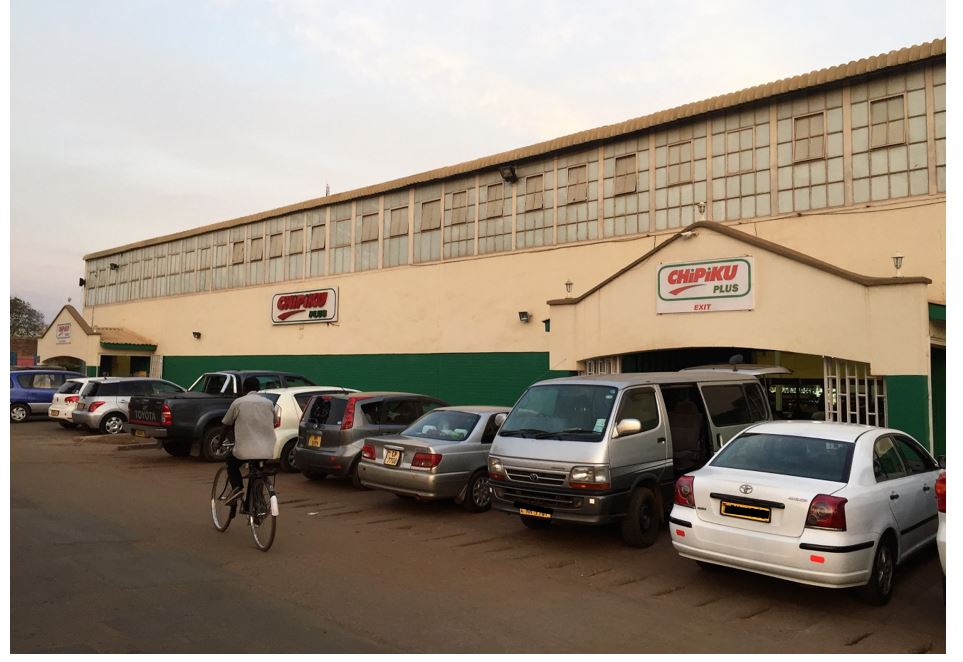
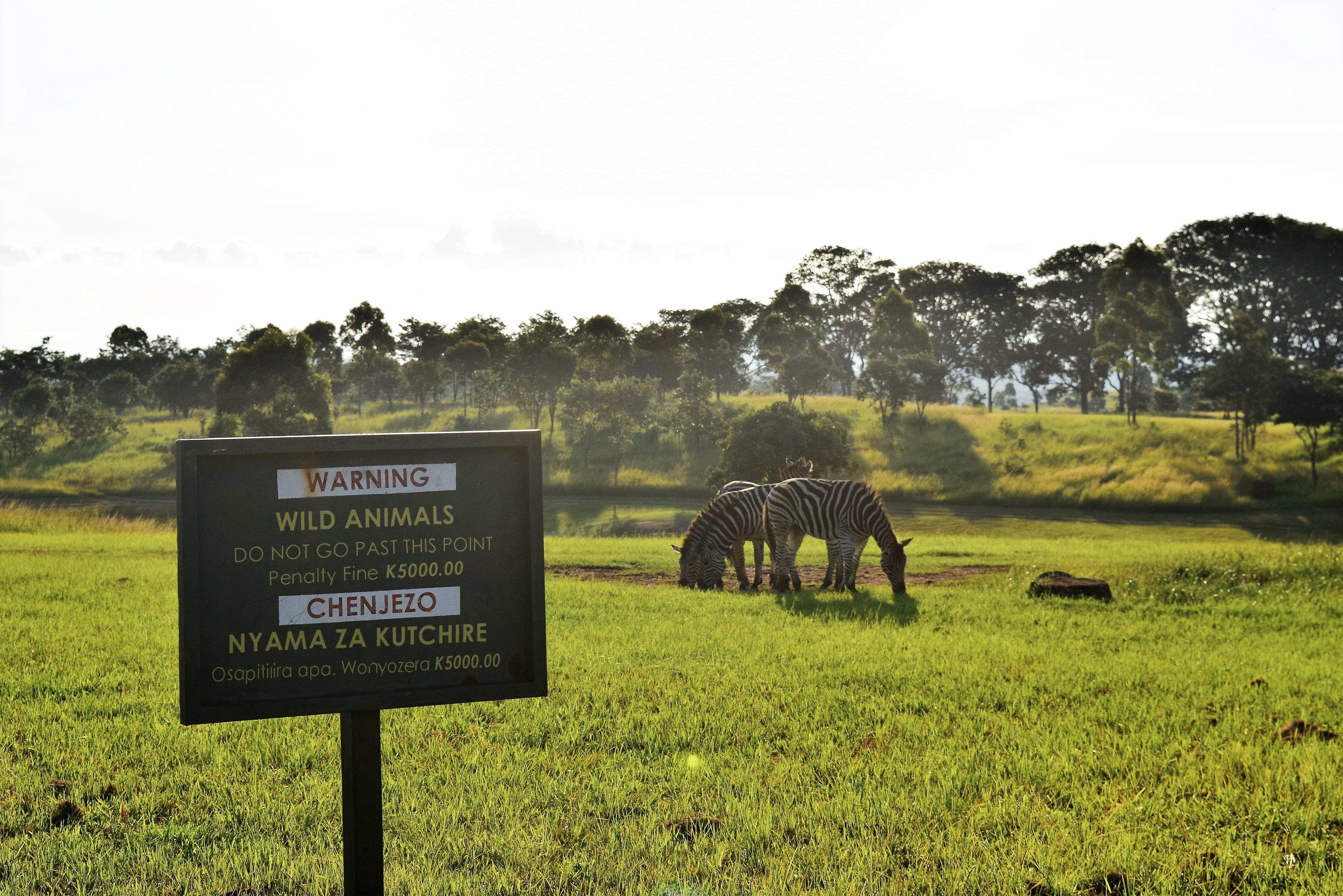 Our Lilongwe weekend included a visit to another grocery store (wow), a stop at the Woodlands Farmers Market, held on the last Saturday of the month, and a lunch at the lovely Kumbali Country Lodge, where Madonna stays whenever she is in Malawi.
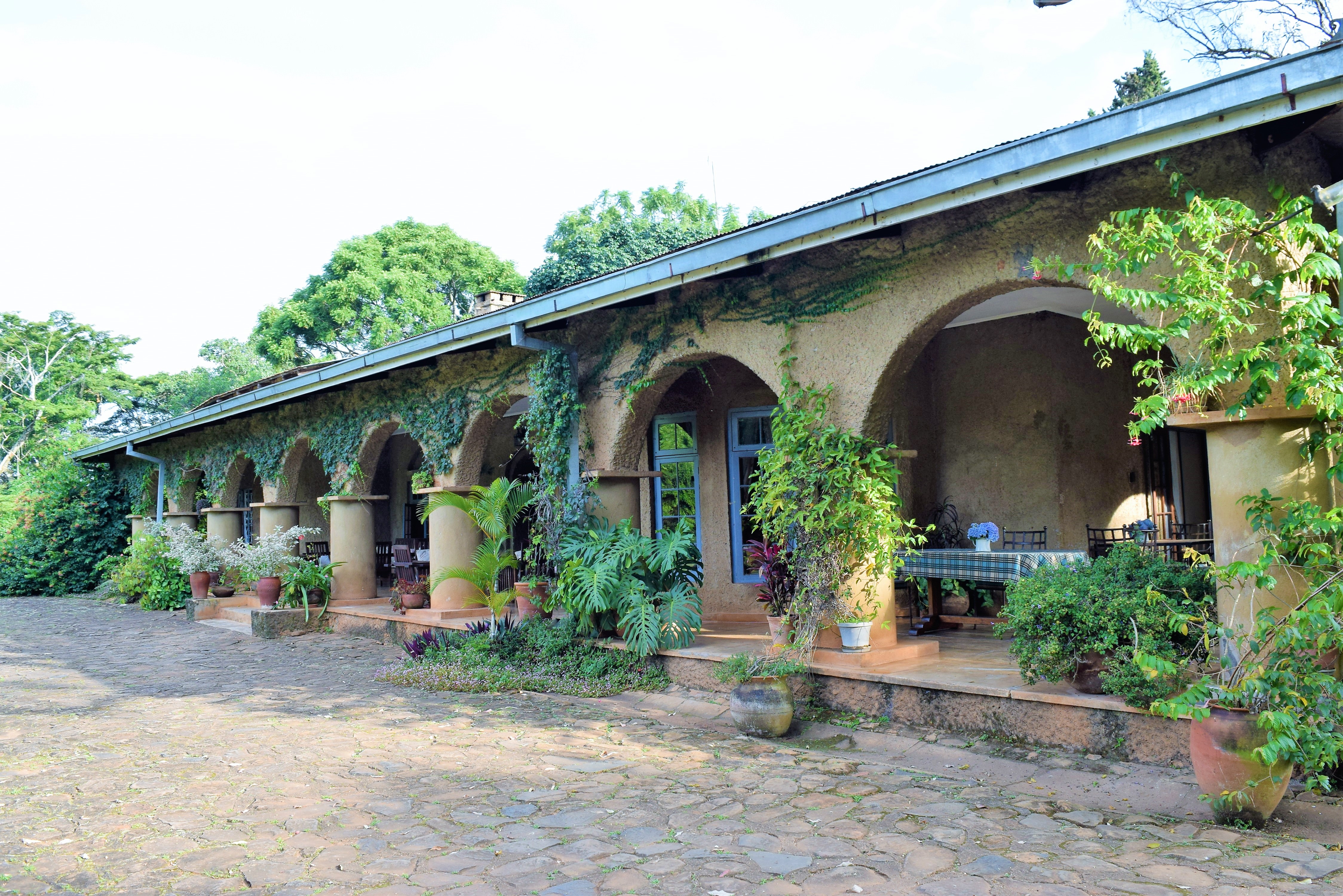
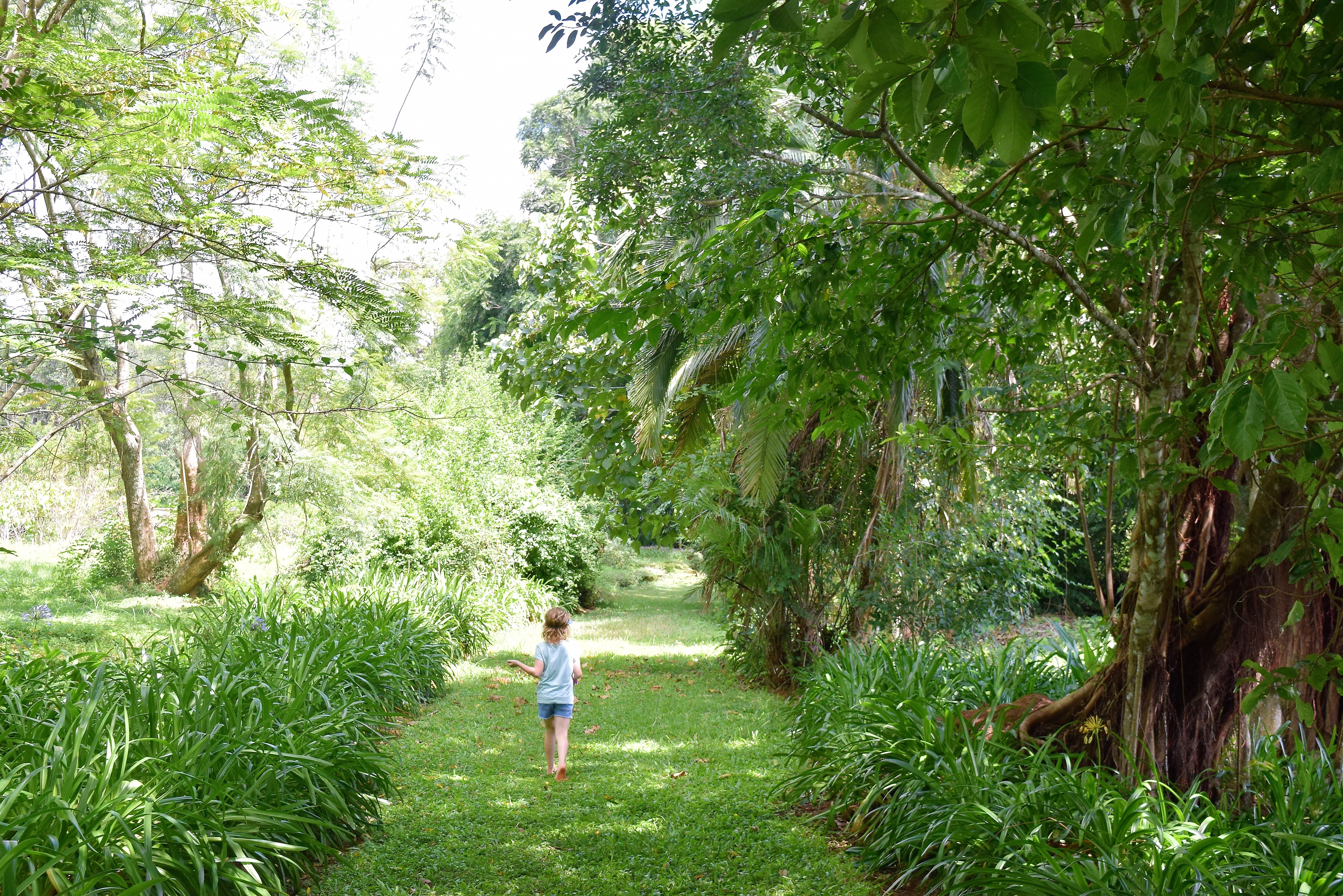
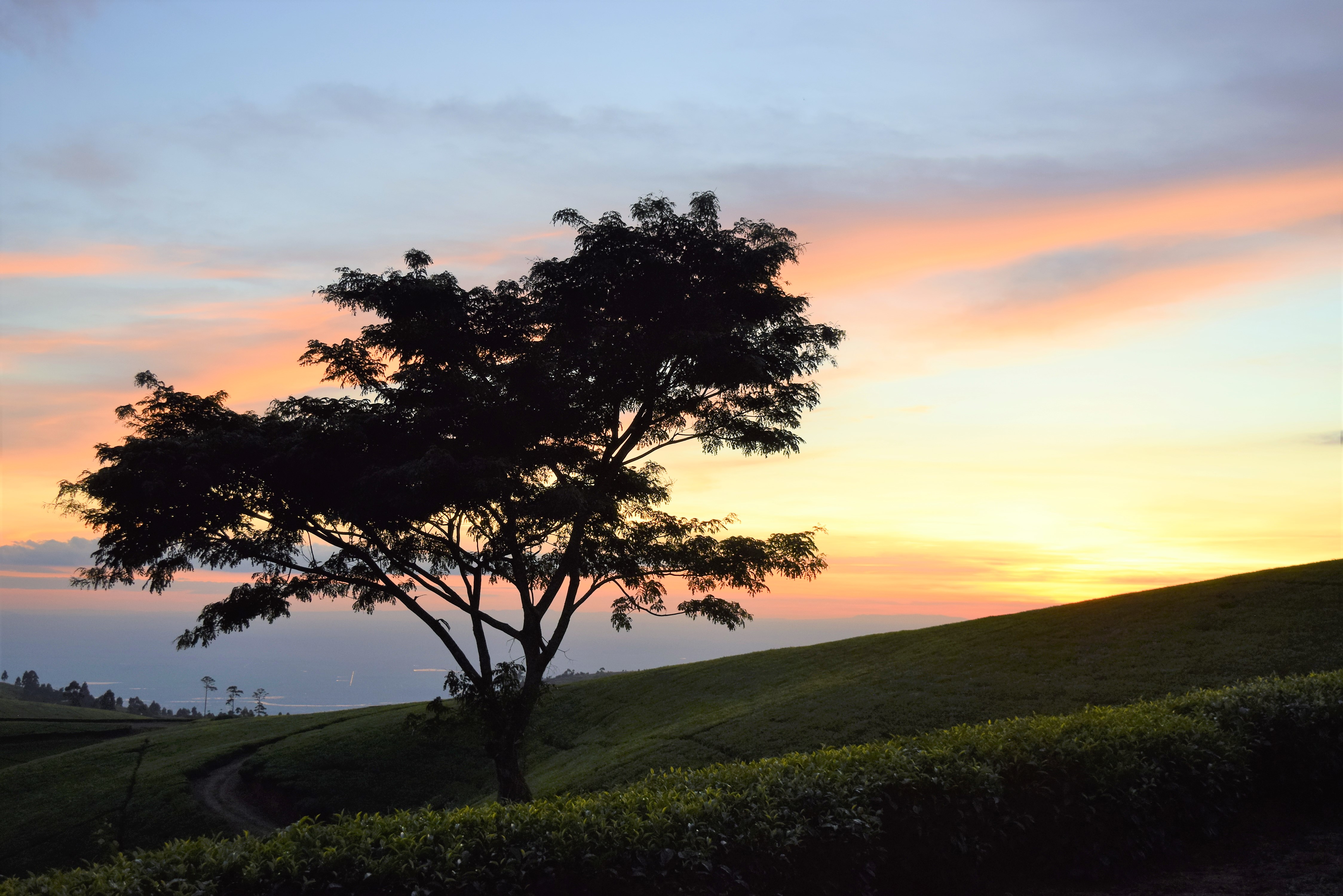 Following breakfast on our second day we took an hour guided walk. We strolled from the Huntingdon gardens on to the red-orange dirt road fenced in on both sides by the bright green hedges of tea. Then we turned and waded through it uphill heading to the taller shrubs of coffee. The blindingly azure sky against the emerald green tea took my breath away.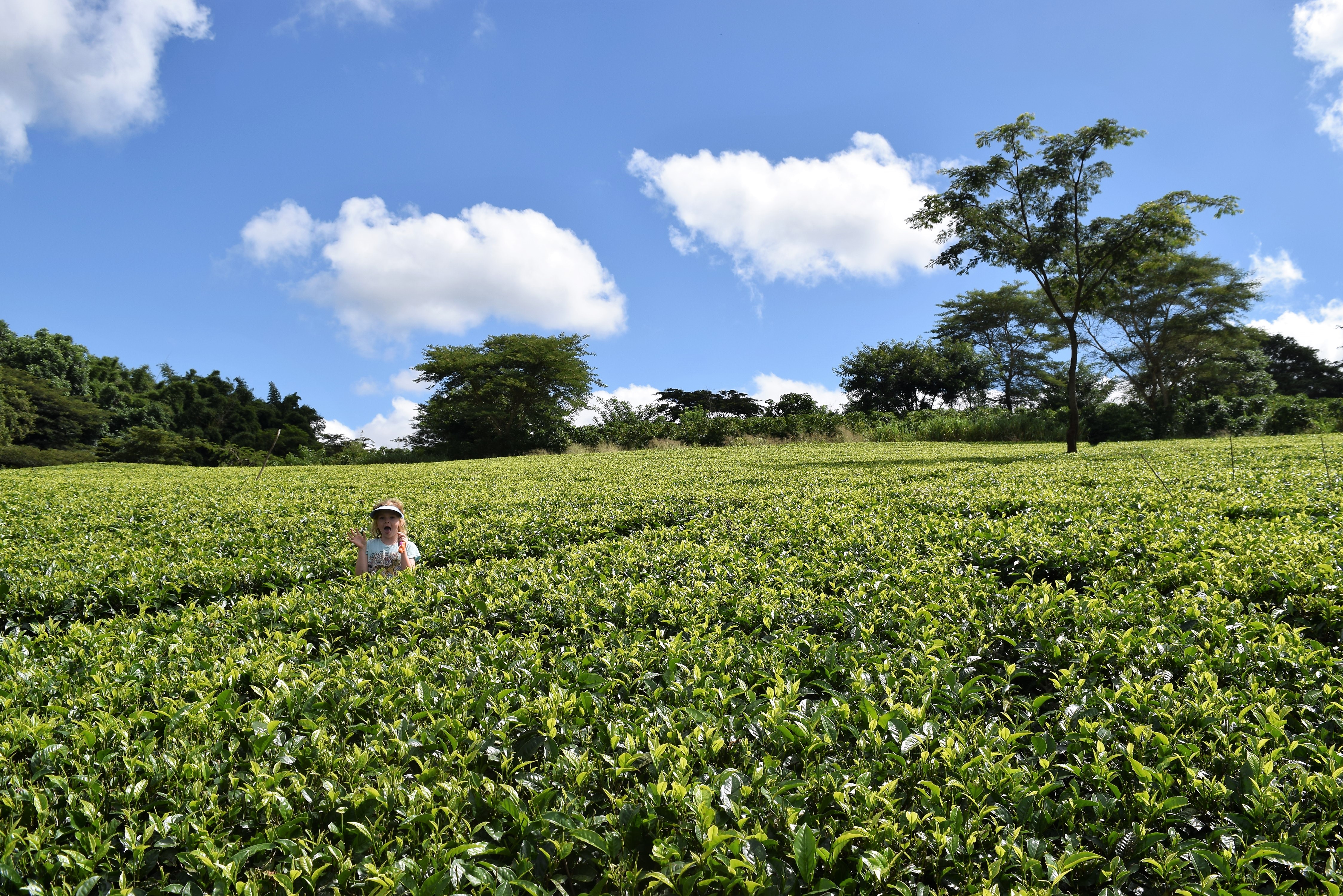


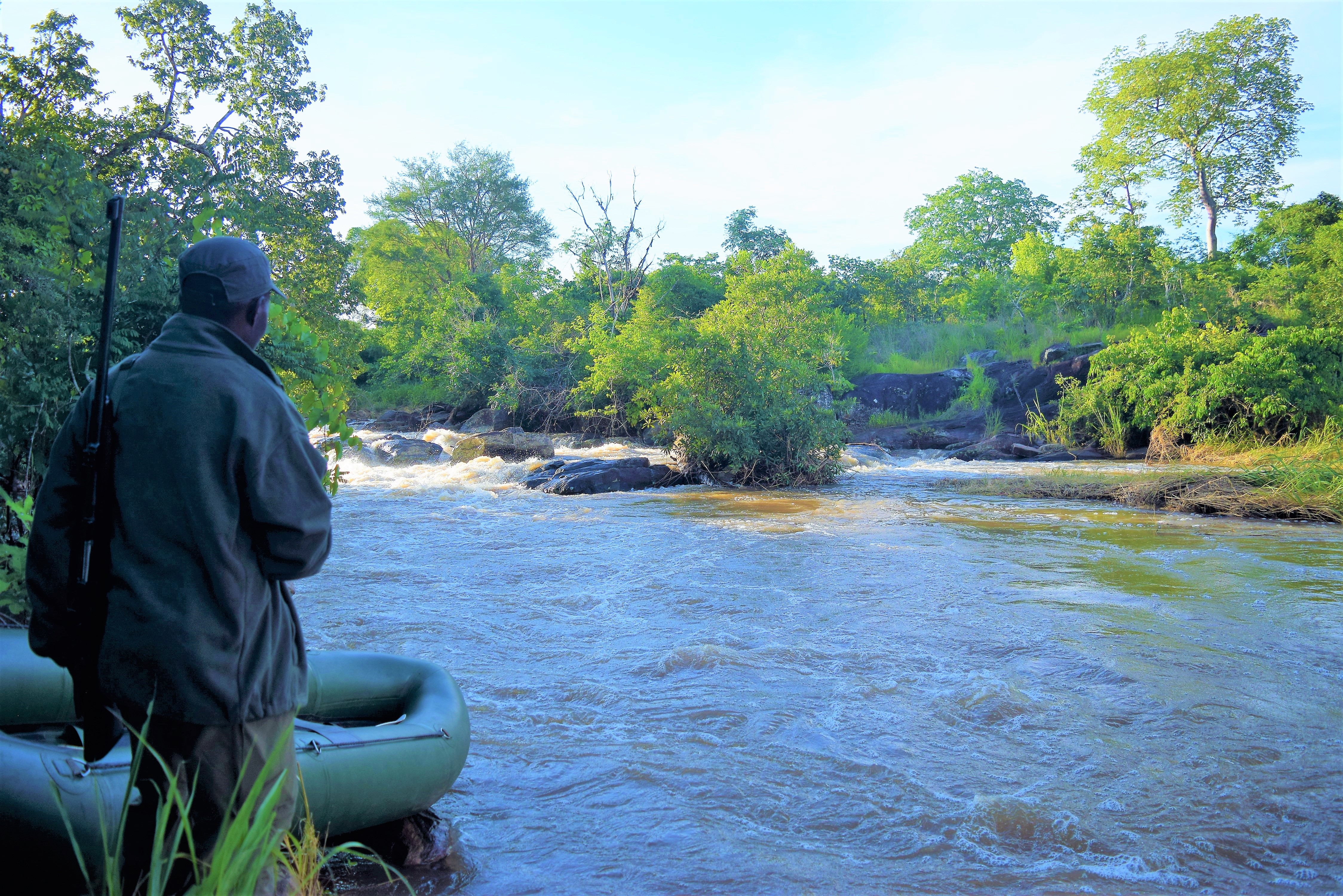
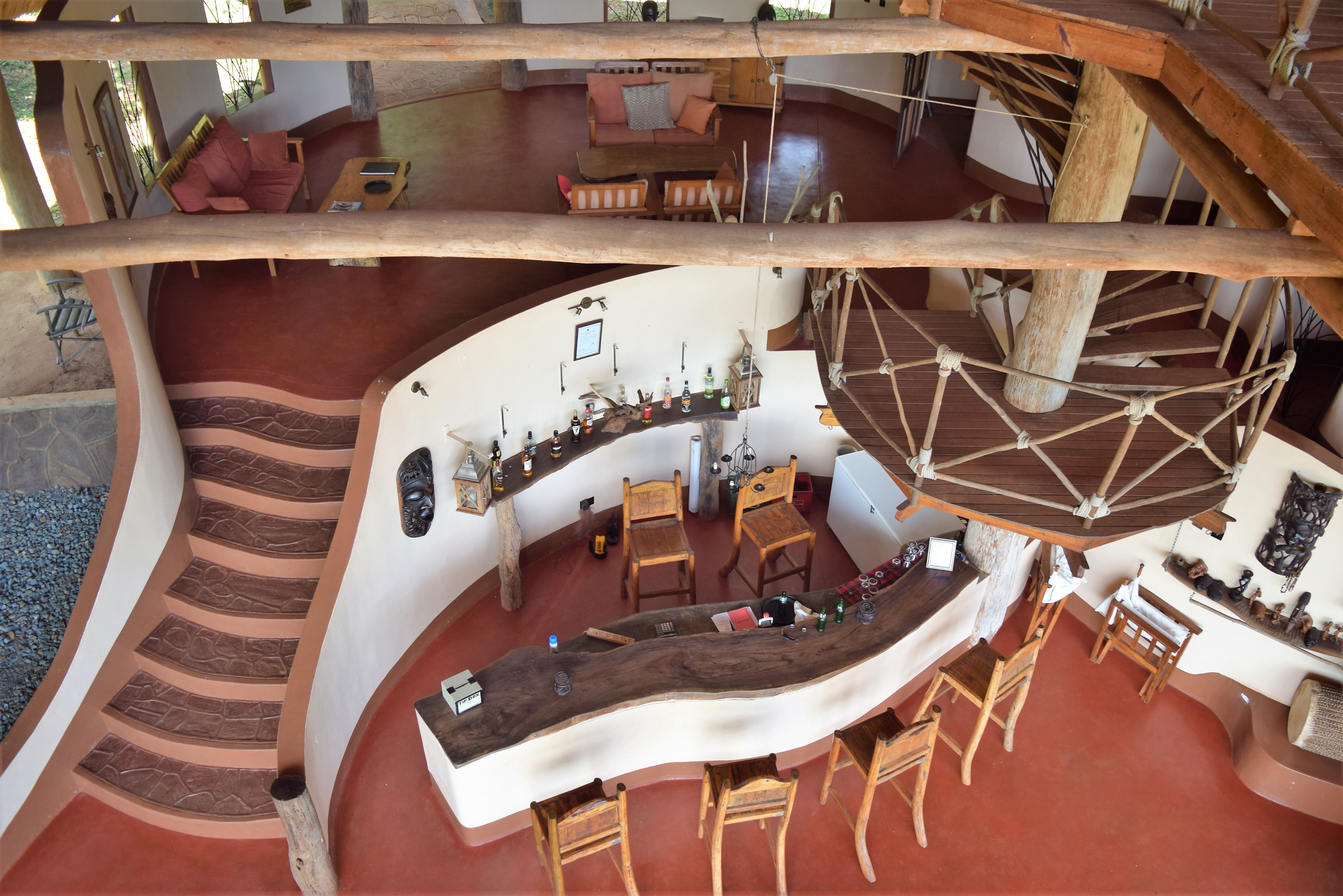
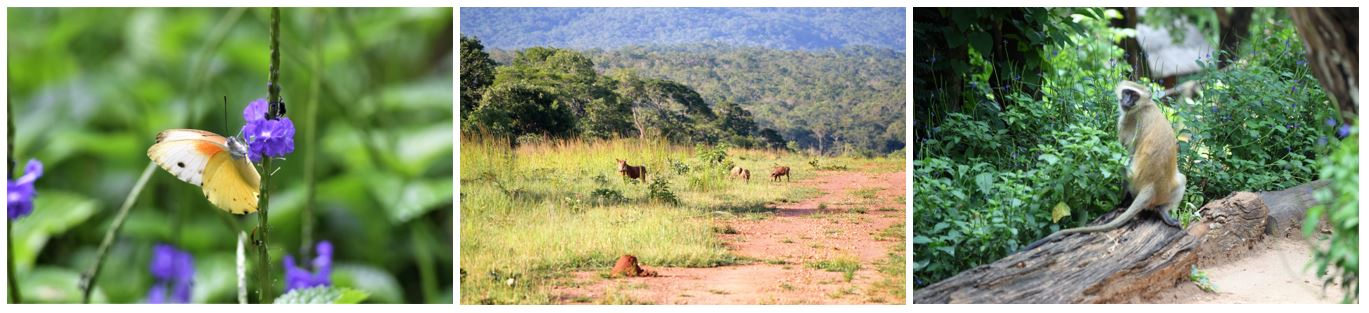
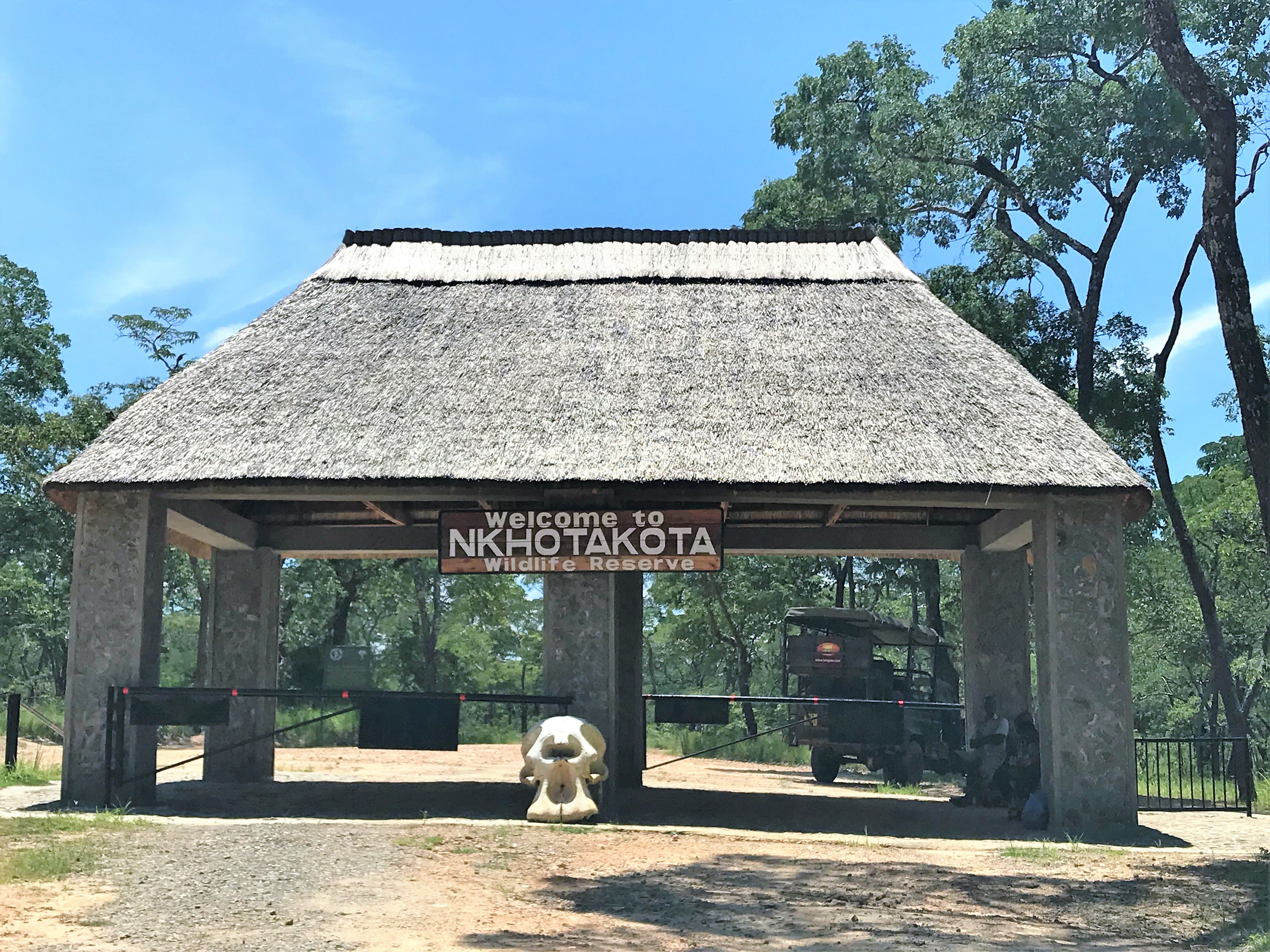 For our second getaway over the three-day President’s Day weekend, we headed east and north to the Nkhotakota Wildlife Reserve, a new destination for C and I. Google maps told me the drive would take approximately four hours — three to Nkhotakota town, then an additional hour to the park entrance and through the park to our lodge. But Google maps does not account for Malawian roads. Turning north from Salima the road initially was better, but soon grew worse. There were many potholes, pedestrians, single lane bridges, and construction work to Nkhotakota town. Eight kilometers later we turned on to an “earthen” road for another eight kilometers to the entrance were we were met by a safari jeep from the lodge. Although I drive a SUV, the lodge suggested I arrange transport to and from the park gate to the lodge due to the rainy season effects on the park’s dirt roads. To drive the 18 kilometers (11 miles) over the rutted, undulating earth took 45 minutes. So all told from door to door took 5 1/2 hours.

 The Wanderlust Diaries