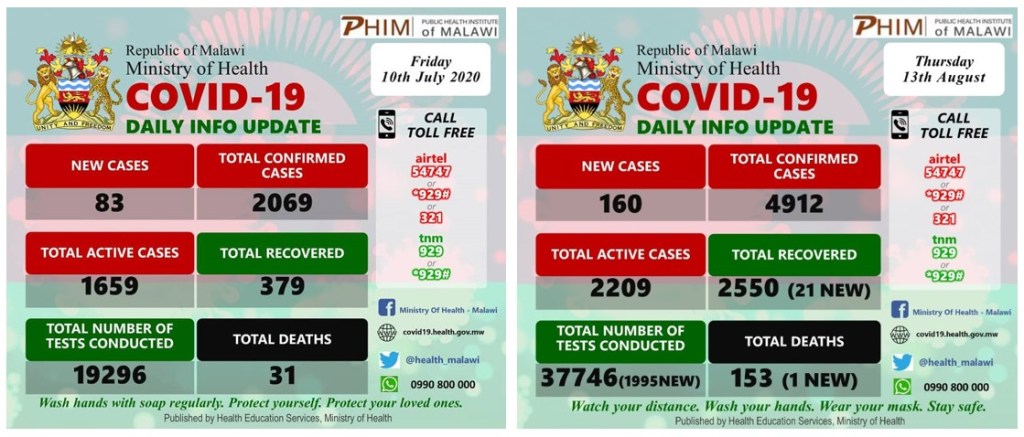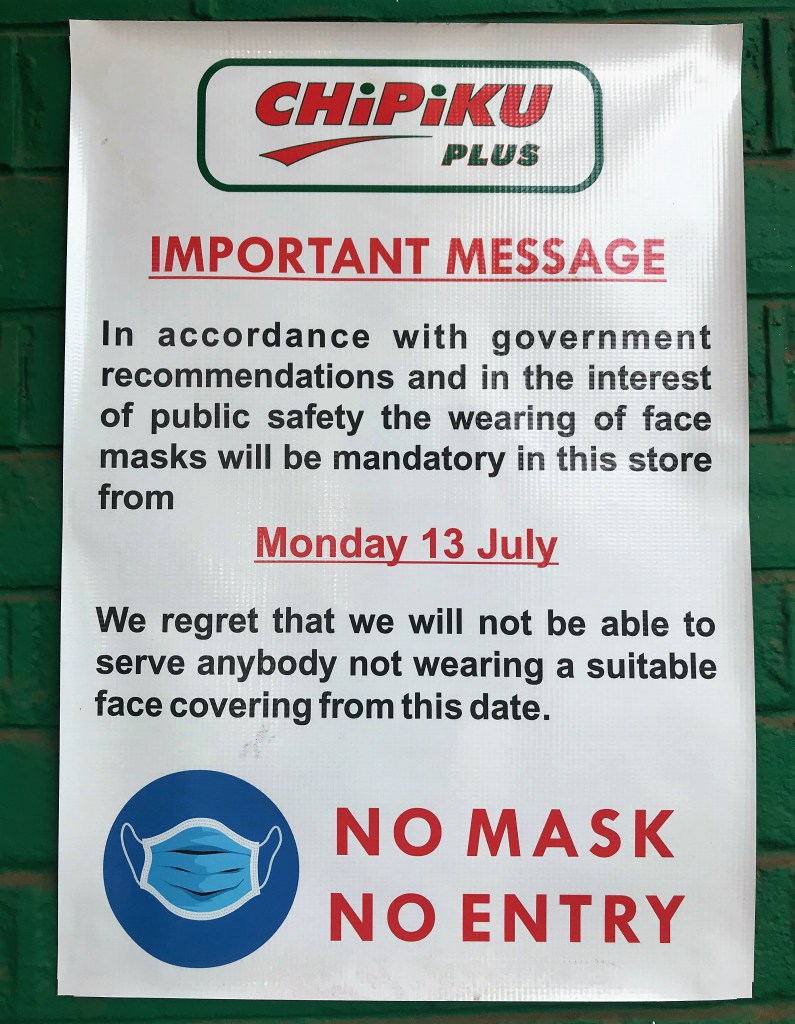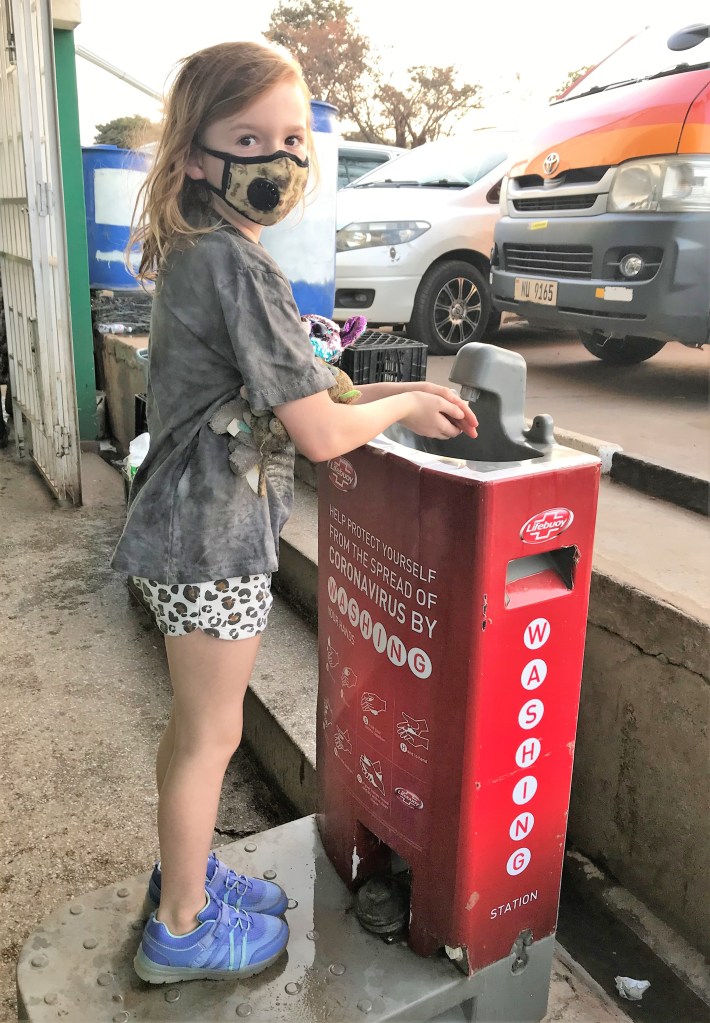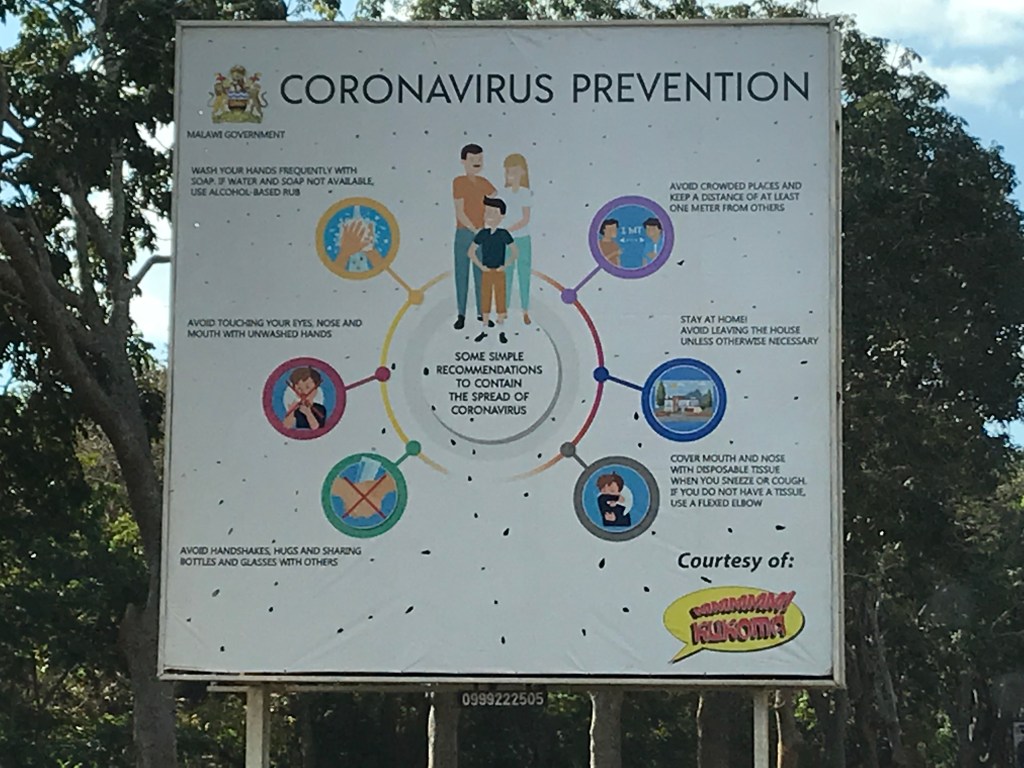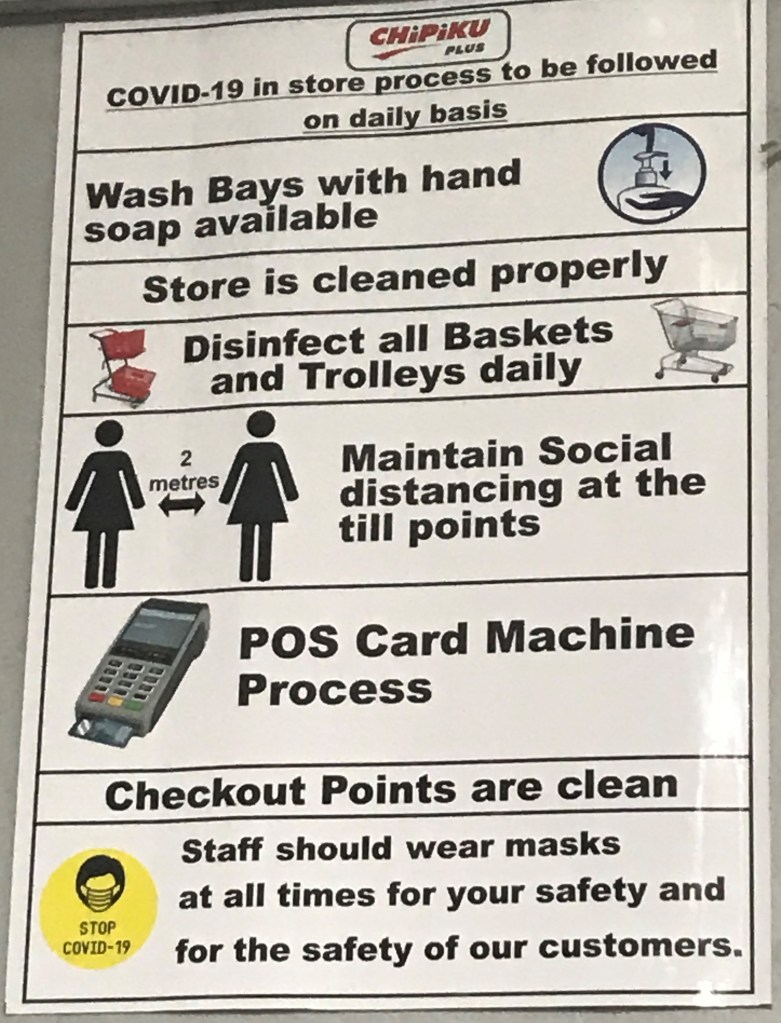

There are days during the pandemic when things feel almost normal. And then I wonder if it means I am getting used to the “new normal” or if things really are returning to a sense of normalcy? But I am unconvinced of the latter and still find myself struggling with restrictions and the mental strain of entering our eighth month of this (and I cannot even articulate well what “this” is). Having gone through SARS in Singapore in 2003, I had been confident the pandemic would end in July. When July came and went I felt a pretty solid sense of having been let down. Yet, I convinced myself that by mid-October, by C’s school break, that probably, maybe, things would have returned largely to normal. Wrong again.
On September 30, C’s grade returned to in-person classes, but C did not return to school as there are no longer buses to take her the 30 minutes to and from the campus. As a single working parent, I did not see how I could spend upwards of 15 hours a week (to account for traffic and waiting in the complicated pick-up line) chauffeuring C back and forth and keep up with everything else. I would trade the frustration of online learning with the frustration of hours in Lilongwe traffic.
Seven schooldays after the majority of children returned to the international school (I was not the only hold-out), Fall Break began. But I figured I have to call it “Fall Break” in quotes because it is never the cool autumn of the U.S. and, frankly, I could not really put my finger on what it was a break from. Yet, I knew, once again, that if I could take off some days and get out of Lilongwe, then I needed to do that. Still, as hard as I tried to consider taking the entire week to travel around Malawi, I could not stomach it. There are many lovely places in this country, but most of them are at least three hours away according to Google Maps, which when you factor in police road stops and getting stuck behind a slow moving truck on a two lane road (and they are all two lane roads) or a person driving 20 kilometers below the speed limit for no apparent reason, it is always more on the order of four hours.

I broke our holiday into two parts, each visiting a new location on my Malawi sightseeing bucket list: We would first head south for the three-day Indigenous Peoples Day weekend to spend time at the Makokola Retreat on the lower end of Lake Malawi. After a two day respite back in Lilongwe, we would then turn northward to spend a four day weekend at Luwawa Forest Lodge.
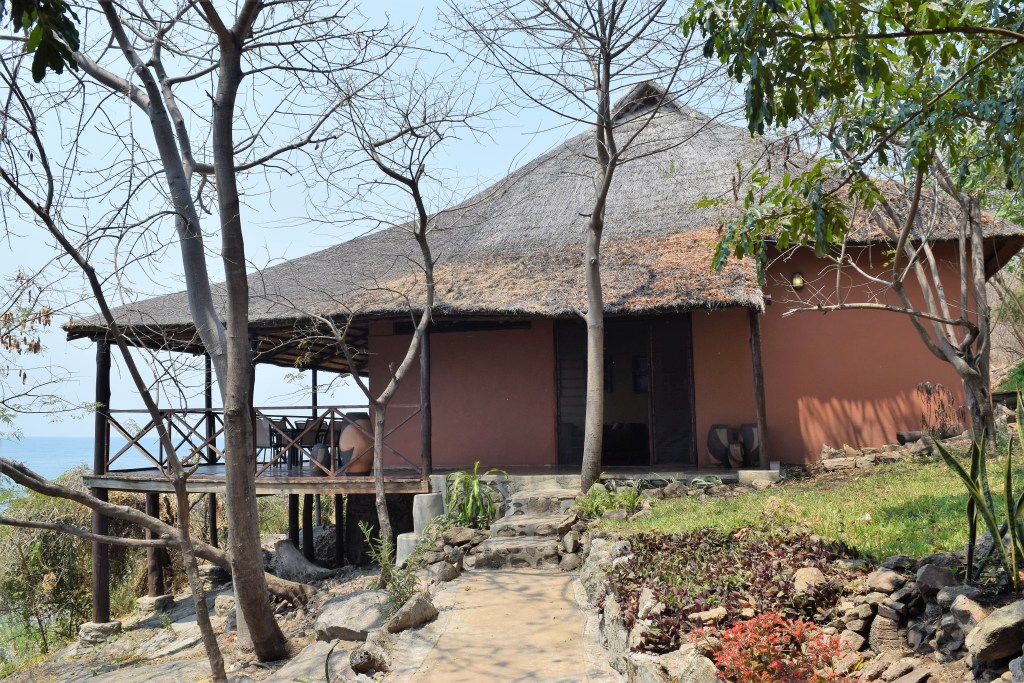
Our first mini getaway was to Makokola. At first the drive was pleasant enough, but 2/3 of the way in (i.e. about two hours) I had had about enough of the endless monotony of scrub brush alongside the potholed tarmac. I have driven that particular route one too many times and it does not get more interesting. But at last we arrived at the lush lakeside retreat. Due to renovations under much of the older part of the resort, children are, at this time, allowed to stay in the newly built lakeside suites. And they are lovely.

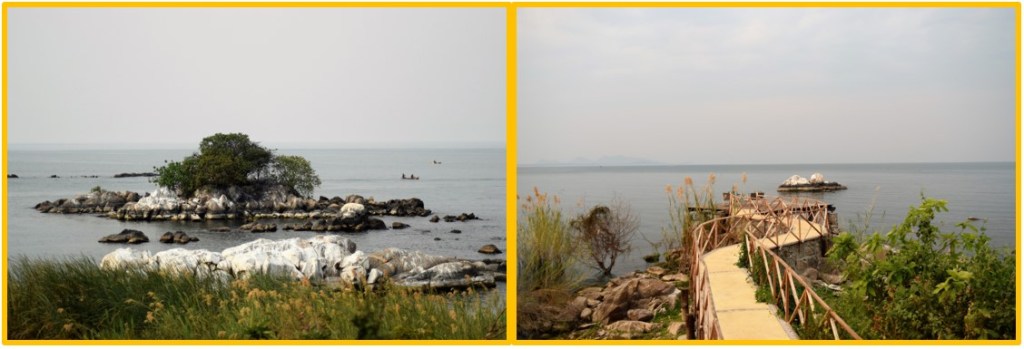
After the monotony of the Malawian roads, pulling into the lush, landscaped grounds of the Makokoka Retreat was a noticeable physical and mental relief. The grounds are beautiful, even with portions of them churned up for renovation. As we were walked over to the Lakeside suites, our home away from home for two nights, I was struck by how much it reminded me of a model American condo subdivision. There were sidewalks and water features. Water features! I think I have seen one other water feature in all of Malawi – a fountain at a roundabout in Lilongwe – but never once has there been water in it!
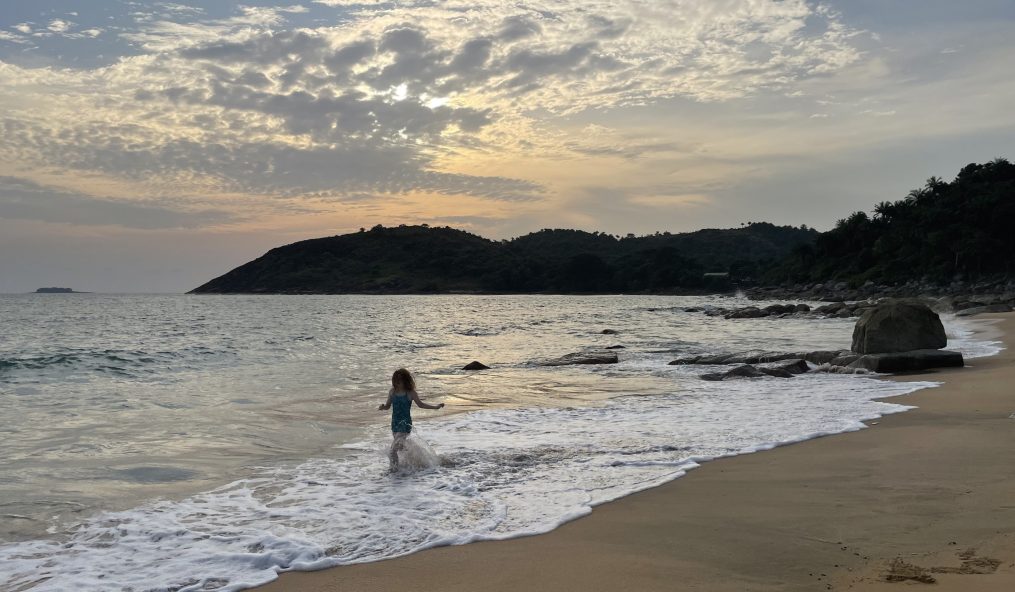
In pre-COVID times, I heard that the Makokola Retreat had a bunch of watersports like wakeboards and water skis and those floating banana things. However, although speedboats were on offer (only $200 to rent!) there didn’t seem to be anything attached to them in pandemic times. And that’s okay — I am not really the speed on the water kinda gal. C and I were keen on just lazing about. The American development feel gave a sense of really having gotten away. COVID-19 measures meant our meals would be delivered to our room. Walks along a beach (albeit a lakeside beach) or through the gardens, slow laps around the infinity pool, and leisurely meals in our room or on our patio while reading — that is exactly what C and I needed.
And then I had to drive home. Just like after our recent trips to Satemwa and Liwonde, the return trip winds back the relaxation clock. At least this time, we would have two days at home — still on leave and off school — before heading out again.

The drive north to the Luwawa Forest Lodge turnoff was not so bad. Not because the road quality or drivers were better, they were not, but it was a new-to-me route. I had only driven north on the M1 once, when we visited Ntchisi Forest Lodge, but an hour into our journey we had already passed the familiar behind.
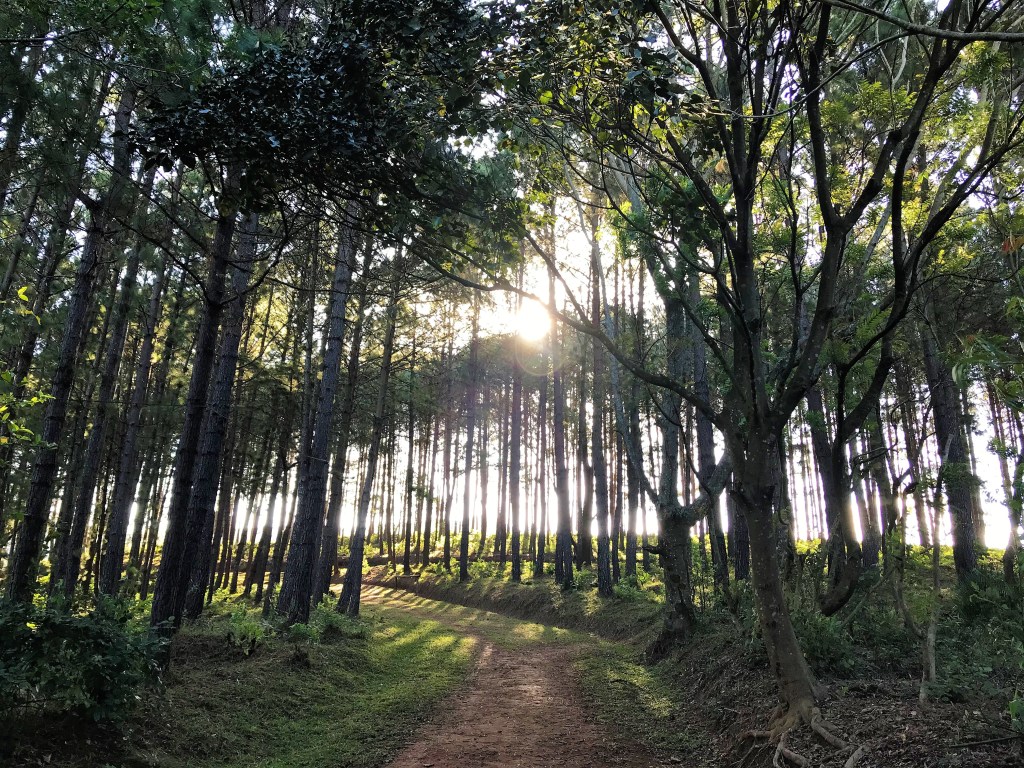
There was nothing special about the first three hours, but after turning onto the red dirt road into the Brachystegia woodland and riverine forest of the Viphya Plateau’s highlands, it was as if we really been transported somewhere else.

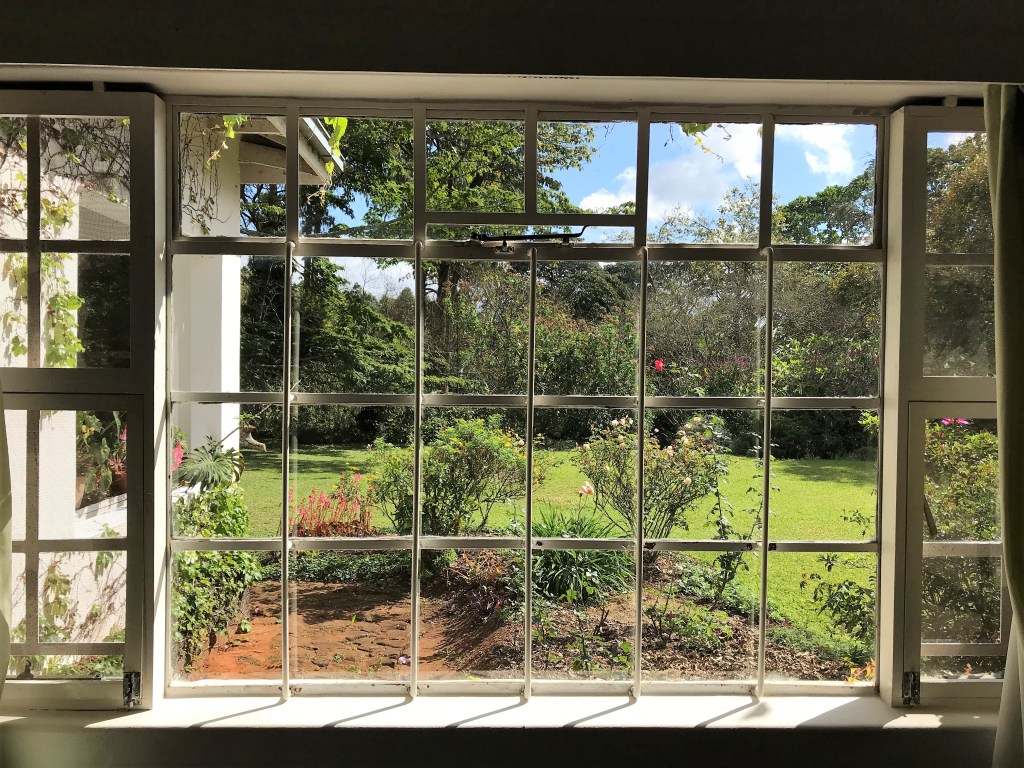
At Luwawa I had booked a self-catering cottage. I was not sure what to expect, but I found the slightly musty two-story cabin, with its small fridge and retro-style mini gas oven, under the wooden stairs lounge area, and large loft-like upstairs, homey. It reminded me of my grandmother’s house. We unpacked, made and ate sandwiches for lunch, then took a look around the property. We met Bob, the Lodge’s massive, yet playful, Saint Bernard; C played on the playground, and I wandered the garden. Then, with the assistance of the Lodge, trudged up the narrow steps of another cottage, and in another musty room designed for studies when the schools use the dormitories for their “Week Without Walls” programs, with chairs haphazardly stacked along the walls, we played the worst, yet hilarious, game of ping pong.
Luwawa Forest Lodge has an impressive range of activities from canoeing and kayaking on the reservoir, trail walking, abseiling, bird watching, fishing, archery, and a few guided tours. I had plans for us to do several of these over the course of our three days, but our first morning we had a one hour horseback ride lined up.

C loves horses. Unfortunately there are no public horse riding stables in Lilongwe — nor were there any in Shanghai that would not have taken us less than two hours to get to — so I have always looked for horse riding opportunities when we head on vacation.
What a treat that there are stables just a 15 minute walk from the Luwawa Forest Lodge and they are run by the wonderfully patient and kind Maggie, who worked as a medical practitioner at the US Embassy for 30 years. She took us on a lovely ramble along trails and through the woods surrounding her property. Along the way, she told me about being born and raised in Kenya, studied in South Africa, and then after her degree she relocated to Malawi where her grandfather had purchased land in the early part of the 20th century. We passed ripening multi-colored berries, caught vistas of misty covered rolling hills, and breathed in the fresh air. C was in her element.
Immediately after our ride, C asked if she could have another ride that afternoon. Maggie said she had some siblings, one of which was a precocious 7-year old she thought C would hit it off with, scheduled at 1:30 that afternoon.

Boy did they hit it off! H and C became fast friends. After the ride — reportedly full of giggles — C wanted to spend more time with H. They hopped on an ATV with Gift, one of the stable hands, and headed up to the stables to muck them out and prepare for the evening feeding. Yes, my daughter volunteered and happily mucked out horse stables!
The following day C signed up for two additional rides with her vacation best friend. As C rode the trails around Luwawa, I walked them. I used to be a great walker. I love to walk, but there are not many places to do so in Lilongwe; there are few sidewalks and no trails that I know of. In Luwawa I had hours to myself to walk and meditate in nature. I have not had such time to do so at any other time in Malawi. We didn’t do much in Luwawa; C rode horses and I walked, and we relaxed in our little cottage. But it was just what we both needed.
Once again, a few trips out of Lilongwe restored myself and C just a wee bit. It was not the fall break I had initially planned on pre-COVID or even as I kept hoping the pandemic would end sometime in the summer months. But while it wasn’t perfect, it was unexpected and unexpectedly good.