Every so often I go back into my way-way back machine and pull up a travelogue from my past. Back when I traveled on the cheap, I usually sent back travel stories to friends and family. I am slowly going through them, editing them, and posting them on my blog.
In early 2004 I was selected to take part in an assistantship through my graduate school. Each of the participants would be working at a different international organization; I would be heading to an organization in Honolulu. Beforehand, we all would take part in a three-week pre-departure seminar. I decided to jet off to Mexico City to feed my travel bug in between the seminar and the assistantship.
The weird thing though is that this trip is one of my least remembered. Only a few photos from the trip remain, but they capture so little of my memories. There are none of Frida Kahlo’s house, the Palacio de Bellas Artes, the Palacio Nacional, Xochimilco, the Templo Mayor, and many more major sights, in addition to the Zocalo, the subway, and other every day scenes. Its unusual for me to take so few photos. I searched through my old diaries, but I wrote not a single entry during the trip or even any about the trip later. At least I sent out an email story.

I was a bit hesitant to come to Mexico City. After years of media reports on the dangers of Mexico, especially the capital, and the floods of job stealing migrants (ha!) I had been subconsciously developing a latent fear and apathy towards Mexico. Also, everyone and their brother warned me of the terrible dangers of taking a taxi from the street. The guidebooks. My aunt. The man sitting next to me on the plane. The hostel driver who picked me up at the airport. It seemed a constant mantra drummed into me. I wondered though if there were actually any danger left anymore, with so many people warned off this potentially disastrous act.
Still, I love the taxis, the traditional model of Volkswagen Beetle in bright green with a white top. I recall hearing a story from a few years ago that although VW was discontinuing its production of the Beetle, it would continue to make the car in Mexico. I see VW bugs all over the city, so it seems to be true. Bright new Bugs zipping through traffic with sometimes terrifying velocity. It might just be a good thing to avoid getting into one for reasons other than crime.
Another fear building up inside me in regards to Mexico City was the pollution. I was under the impression considering the altitude of the city and the ring of mountains and volcanoes which surround the one-time lake – now Mexico City – trapped the pollution, leaving it hovering over the city. I imagined asthmatic self, gasping for breath, perhaps falling by the wayside on some heavily polluted street making fish out of water type mouth movements as my lungs fail to suck in enough air for me to go on. At the very least I expected a smoggy dark overcast sky greeting me each day. I expected the air pollution to be visible and tangible, heavy, oily. And yet, for the most part, each day has greeted me with beautiful blue skies with white fluffy clouds. I have hardly used my asthma medicine, and I have not once been winded.

The city is amazing! Mexico City is a vibrant, exciting, culturally and historically, rich metropolis. Its wide boulevards seem to manage the tens of thousands of vehicles traversing the streets daily. I have hardly seen a traffic jam. The metro is a wonder; nine lines of clean, orderly and efficient underground trains zipping some five million people a day across and around town. Considering the city was built on a lake by the Xochimilco people more than a thousand years ago, then built on top by the Aztecs, then on top of those by the Spanish, and is gradually sinking as the lake seeks to reassert itself, that there is an underground metro at all is quite amazing. On top of the millions of people who daily (yes, millions every day) squeeze themselves into the of often overcrowded cars, yet the stations are kept quite clean and the system is easy and efficient to use. I am very impressed.
I suppose I could wax on and on about this, but I have done more here than simply breath the air, avoid taxis, and enjoy the fantastic metro!
On my first day in the city I strolled through the huge market which encompasses the Calle Moneda (Coin Street) in front of the hostel and the surrounding streets, with vendors selling just about every possible thing one might need, from socks and CDs to underwear and sodas, to tamales and batteries, and handbags and electronics. I figured if I were to move to Mexico City, I would not need to bring a thing and could buy everything I need on a long day to this amazing daily market. Then I headed to the Palacio National, just across from the hostel, but facing the Zocalo, or main square, cattycornered from the imposing, but beautiful, facade of the Cathedral Nacional. Inside the Palacio Nacional are the unfinished murals of Diego Rivera portraying the history of Mexico. He planned to paint murals of the entire Mexican history, but due to illness, never completed past the arrival of the Spaniards. A German girl from the hostel and I managed to procure a free guide who told us the history and symbolism of the amazing murals for a full hour! I was entranced.
In the afternoon, I made my way to the Tower Latin America, what used to be the highest tower in the region. My plan was to go to the top, but the building seemed so fantastically ugly to me, I felt repelled to even think of going inside. Instead, I crossed the street to the opposing beauty of the Palacio Bellas Artes. That evening, I walked further up the avenue to the Plaza Garibaldi, the haunt of the mariachi players. I knew I was heading in the correct direction as I followed a man in tight black pants with silver down the pantleg sides, tall white socks, a short bolero jacket, and a guitar slung over his shoulder. The Plaza was full of mariachis biding their time waiting for someone to commission a song from them. Most were dressed in black, but a small group in magnificent green played to a couple in a small corner. I imagined couples driving about the city, when the man suddenly decides a song would woo his sweetheart and he furiously heads over to the Plaza and wins the heart of his woman with a paid song by a smartly dressed mariachi band. There did seem to be classy cars turning into the Plaza like a drive-thru serenade stop.

On my second day I joined a tour to the Church of the Virgen of Guadalupe and the Pyramids of the Sun and the Moon. The huge church was built on the site where a local named Juan Diego saw a vision of the Virgen of Guadalupe, who told him to build a church in her honor. Like many buildings in the city, the church is sinking, and one side more than the other, giving it the appearance of almost falling forward.
The Pyramids were amazing. How to describe them? They are not like the Pyramids of Egypt, as these have steps to climb up, as they were steps to take the priests to the temple located at the apex of the building for rituals. They were not tombs, but are solid inside. The Temple of the Sun is the third largest Pyramid in the world. They were not actually built by the Aztecs but by a tribe of people who came perhaps 500 years before them, but used by the Aztecs when they arrived to their promised land. Most of the buildings facing the Avenue of the Dead, the main drag down Pyramid row, were places for the higher personages in the society, though little remains of them. I wanted to try and imagine the spectacle of this city as living and breathing, but the stark ruins and the dry countryside made that difficult for me. Besides, the Aztecs were a rather cruel and brutal society, and I am not sure I would want to imagine the trains of people lined up for human sacrifices, their hearts ripped out of them in order to appease the Sun God thus ensuring the sun would rise the next day. There was apparently one time when in the city of Mexico before the Templo Mayor (Major Temple) some four lines of sacrifices, stretching for three miles, awaited their fate to die for the Gods. Though the Aztec art and architecture are indeed beautiful, much seems borrowed from earlier groups, whom the Aztecs admired and claimed as their ancestors, particularly the Toltecs. The German Girl said she did not find the Pyramids impressive because of the lack of scenery surrounding them, but I still found them amazing.
On my third day I headed first to the Templo Mayor, a major Aztec temple now in the center of Mexico City. In the early seventies, some electricians or city water people, or someone doing some sort of digging, stumbled upon a huge disc, several tons in weight, carved with Coyolxauhqui, the God of the Moon. And this is how the temple was discovered. I opted not to tour guide here and soon my head began to hurt attempting to translate the Spanish placards. Mostly, I just walked the excavated portions and then through the museum.

My next stops were Mexican artist Frida Kahlo´s house and the final home of Russian revolutionary Leon Trotsky. I enjoyed visiting Frida´s lovely blue house in a well-to-do neighborhood in the southern part of the city, but I found it odd there were few of her paintings on display. I wanted to buy a postcard of a particular painting of hers, but it was not to be had. In fact, there was not a single postcard of Frida´s paintings on sale at her house. There were a few of her husband’s, Diego Rivera, and some photographs of Frida and Diego, but none of the paintings. Leon Trotsky, who found asylum in Mexico at the insistence of Diego Rivera, an ardent socialist (he often painted Marx, Stalin, Mao into his pictures as well as industrial utopias and the famed ideal proletariat), came to Mexico in the late 30s. He even had an affair with Frida, whose own home was nearby. He was also assassinated in the house. The first attempt left bullet holes in the bedroom wall across from the bed, the second, successful assassin employed the use of an ice pick. I left the two houses with a thirst to know more about Frida, Diego, and Leon and the times and society in which they lived.
On my fourth day, together with a Romanian woman from the hostel, I visited the Museum Antropologica. We spent more than four and half hours in the museum! And I did not see it all as we spent so much time in the Toltec, Aztec, Maya and Oaxaca sections of the museum that by the time we got to the Mixtec/Oaxaca section we just blew in and out. We stepped outside just in time to watch the Danza de los Voladores (Dance of the Flyers). While at the Pyramids, the guide had explained a number of favorite Aztec games and this Flyer was one of them. A long pole is set up, let’s say 100 feet into the air. At the top perches a man who will play the haunting Aztec flute. Four other men, dressed as birds, climb to the top of the pole, wind four ropes around the pole, and then tie the end of the ropes to their feet. A platform at the top rotates and off the platform the four men go, flying around and around the pole, arms outstretched as they are slowly lowered to the ground. The version we saw seemed harmless enough, but from what I have learned from the Aztecs, I can hardly believe they just flew down and nothing happened to them. Surely someone had to die? Surely someone was sacrificed? The other Aztec “games” do not appear so innocuous. But this one was fun to watch…
The following day, I headed out to Tula, again with the Romanian woman. Tula is another Aztec site about 70 kilometers to the north of Mexico City. It too has a pyramid, though it’s in poor condition, but it’s the six magnificent Atlantes, 4.5-meter-tall carved stone statues of Toltec soldiers, which previously held up the roof of the sacred temple, which people come to see. But, boy, was it an effort to get there. First, there were seven metro stops with two changes, then a 15-hour bus ride, followed by a 10-minute mini bus ride, and then a 100-meter walk. And through it all the Romanian woman regaled me, against my will, with the story of her recent tragic love story. The weather was cold and a little dreary, having rained in the morning, and with continual dark clouds threatening to do it again. The setting was lovely, though it would have been more so had the sun been out, but the dark skies and the purple mountain and what seemed like an extinct volcano in the backdrop gave the place atmosphere, though it was all overshadowed by the trials of a failed Romanian romance.

On my final day I headed to the Xochimilco, the floating gardens, remnants of the original innovative means early settlers employed to create islands and finally the land over the lake, providing the foundations to build this amazing city. At Xochimilco the gardens and homes are crossed by canals. I had imagined flowers everywhere, something of what I had seen at Lake Inle in Myanmar, but I was disappointed. Today Mexico City got to me. The canals were choked with garbage, and I felt the strangle of poverty. Though many of the homes were pretty nice, most had dogs, there was something dejected and dilapidated permeating the place. Maybe it was just my mood. I took a small launch for one hour. Mariachis played on another boat; the sellers of sweet potatoes and tamales and roasted corn floated by. It sounds idyllic, but I felt cold and disappointed, but most of all defeated. I felt a great weight.
On the way back to the hostel, I saw more and more. I saw traffic jams. I noticed the presence of the hawkers on the subway cars. I had seen them before, but today there appeared legions of them, a never-ending chain of them boarding every car, one at a time. They would board, hawk their wares, CDs, children’s books, candy, crossword books, maps, tool kits, etc, ride one stop and then off they went to the other side to try another car. A blind man boarded and sang on his karaoke machine. Two youths perhaps 13 or 15 dressed in shabby and dirty clothes, who lay on glass shards.
I changed my larger money and began to give out small change to just about everyone I passed. The pretty young girl in gold earrings selling bubble gum for one peso. The old man with his fiddle, not playing too well because he is bent over and it seems a strain for him to play. The old woman in a nondescript brown dress sitting in front of a church, her one leg bent at an odd angle. The smartly dressed organ grinders. The mother with two very small children bundled up in a blanket awaiting the night chill.
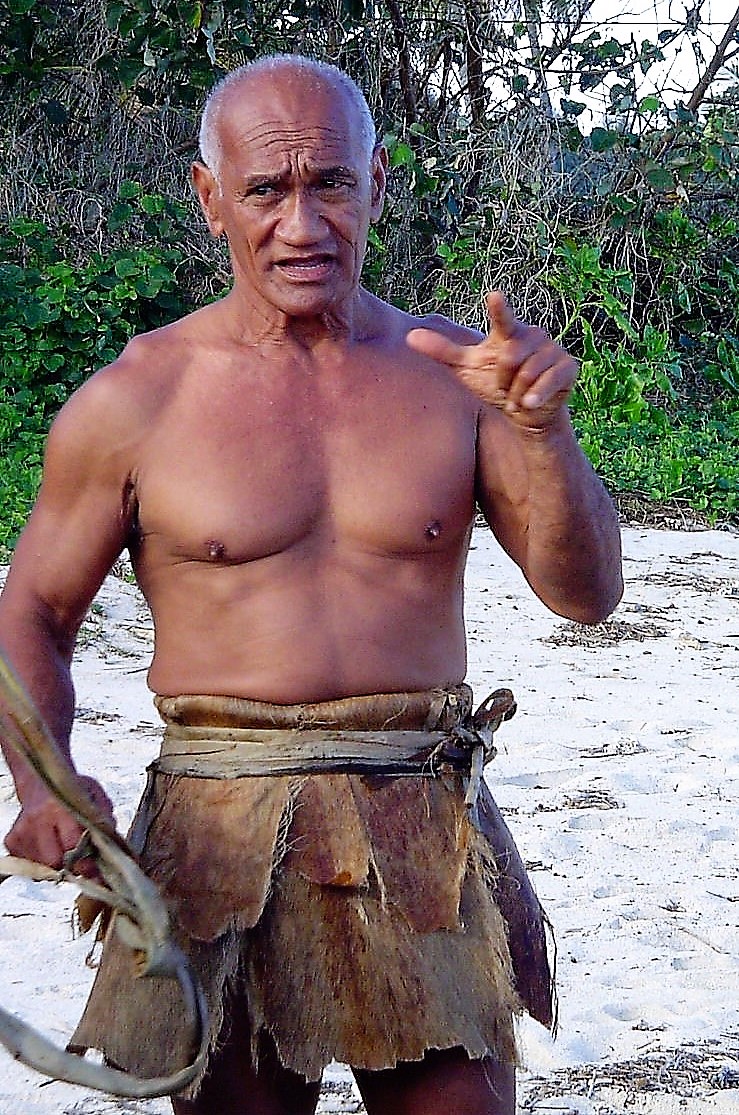
I headed toward the large market in front of the Zocalo and my hostel. The crowds choking me. Before, I had not been too impressed by the crowds, I have been to other countries with crowds to rival, but on Saturday the masses swelled. The drums on the Zocalo reserved for the evening practice of headbanded people dancing to old Aztec steps had burst to an all-day frenzy of dancing with costumes. I saw a shaman of sorts. A bare-chested man with rough cotton trousers belted with a red sash, and a headdress of feathers cascading down his back, was exorcising the bad from people. With a grey stone cup with a design of some sort, a person or an animal, with steam or smoke rising from it, he passed the stone and the smoke, whispering some words to the devotee. The line grew to go through this ritual. I jumped into line as well, and for a donation of five pesos I had my soul, or whatever, purified, receiving a small pink pebble in return. Afterwards I did indeed feel better. A placebo perhaps, but my heart felt much lighter for it.
Another great trip already at an end. But my rusty Spanish improved slightly, I saw some amazing sights, and I have been cleansed.






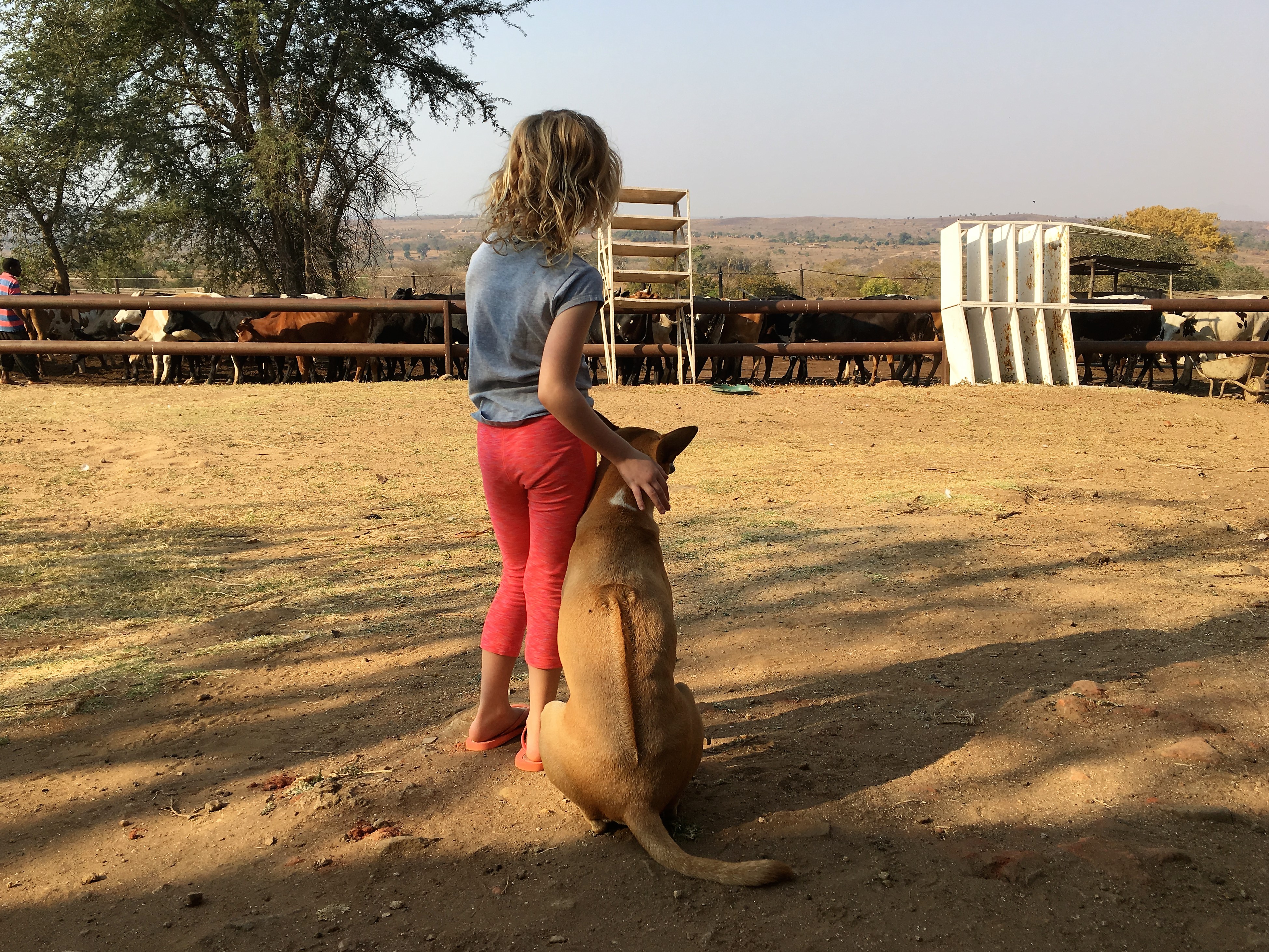
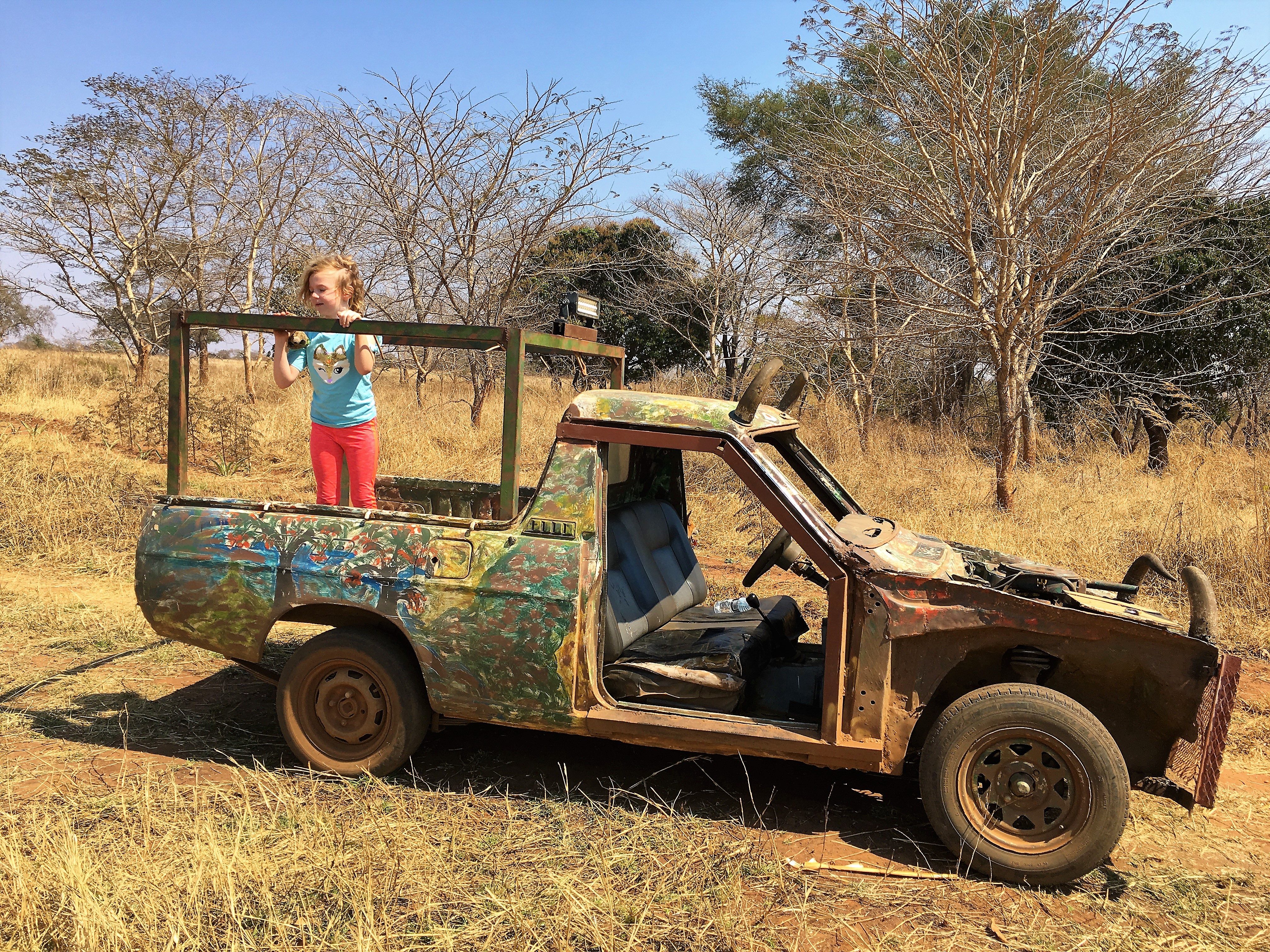 The following morning after breakfast we took part in a one hour farm tour, just our guide, C, and I in a dilapitated, push start, bare bones truck used just for tooling around the farm. There is a picture of Madonna with four of her children posing in this vehicle, published in People magazine. We didn’t tap our inner Madonnas though, C and I are plenty adventurous ourselves. Still, it was kinda cool to be in the same vehicle.
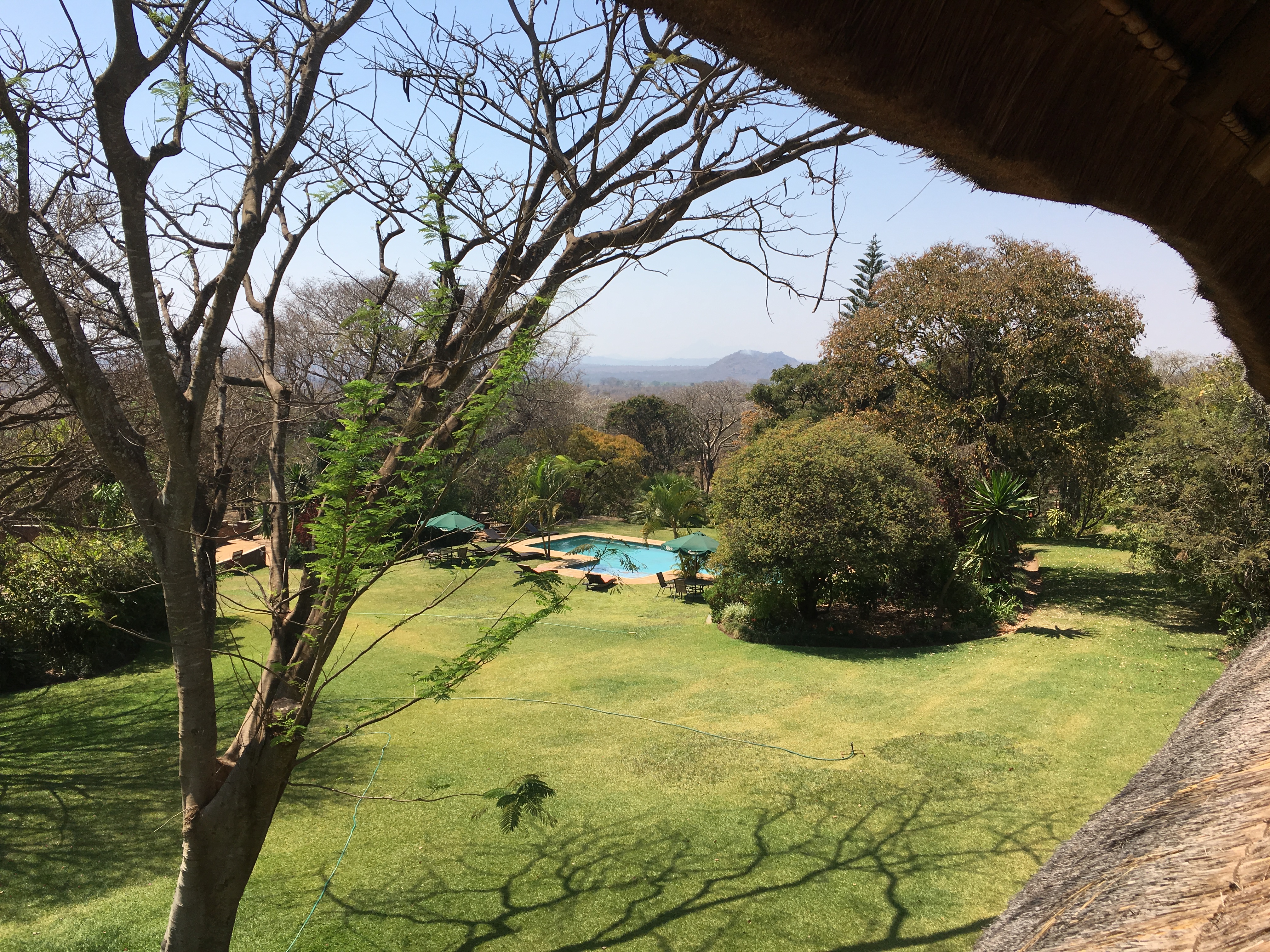
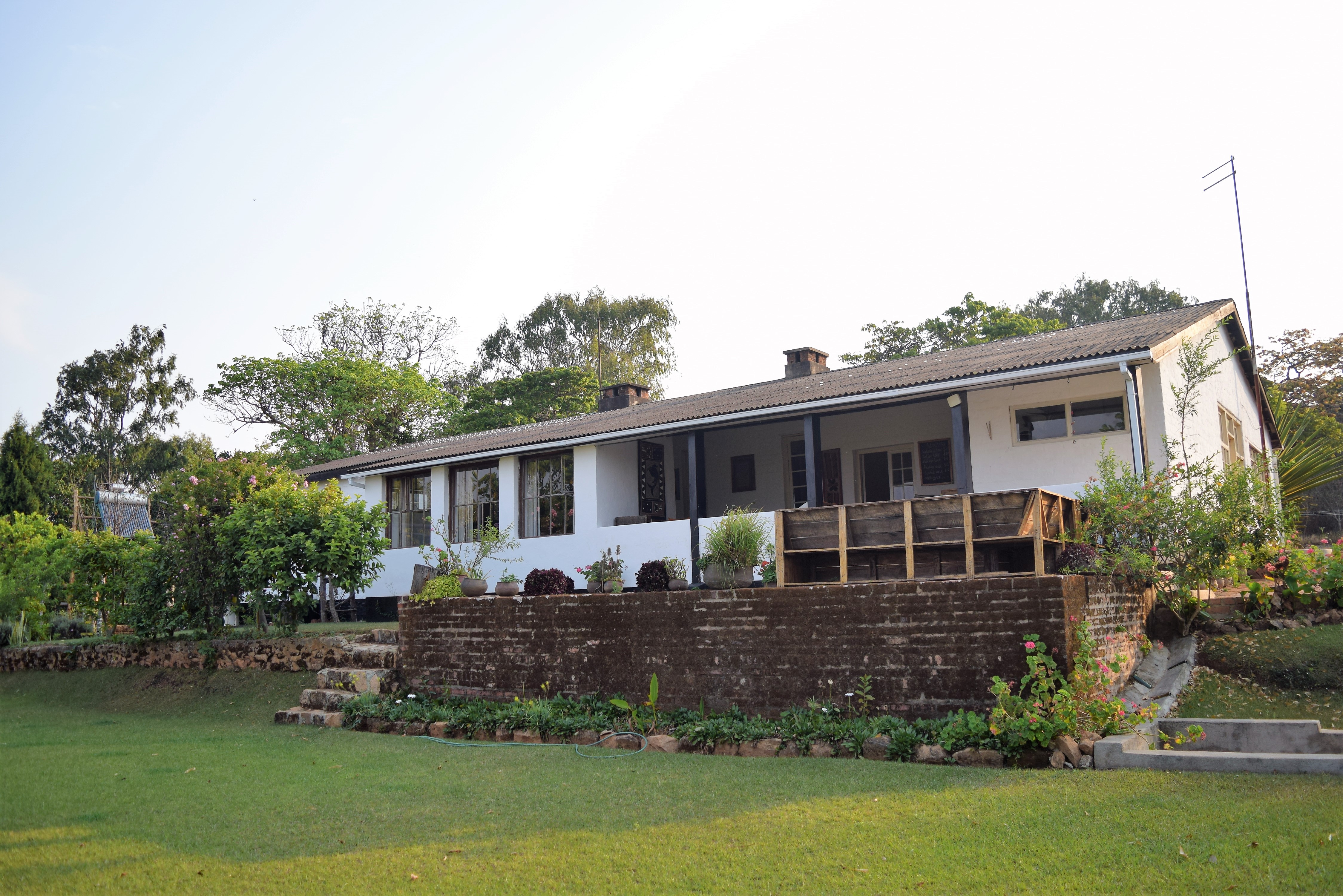 The lodge is a refurbished historic colonial building, once cool, higher altitude leisure residence of a British district commissioner, then a resthouse of the Forestry Department. Dating from 1914, its actually one of the oldest buildings in Malawi. It is located within the Ntchisi Forest Reserve, one of the few remaining indigenous rainforests. Its been on my Malawi bucket list and sounded like a great one night getaway.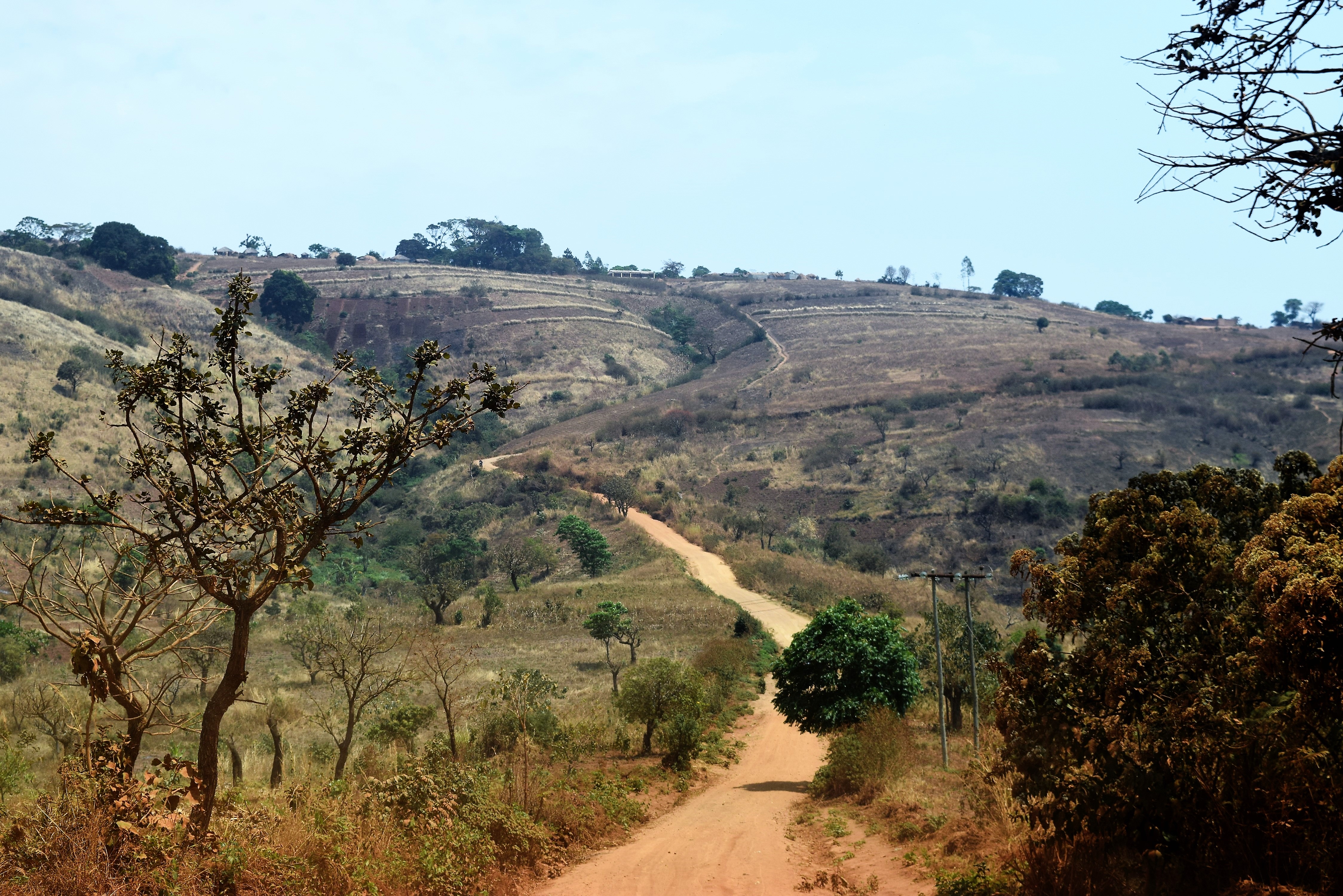
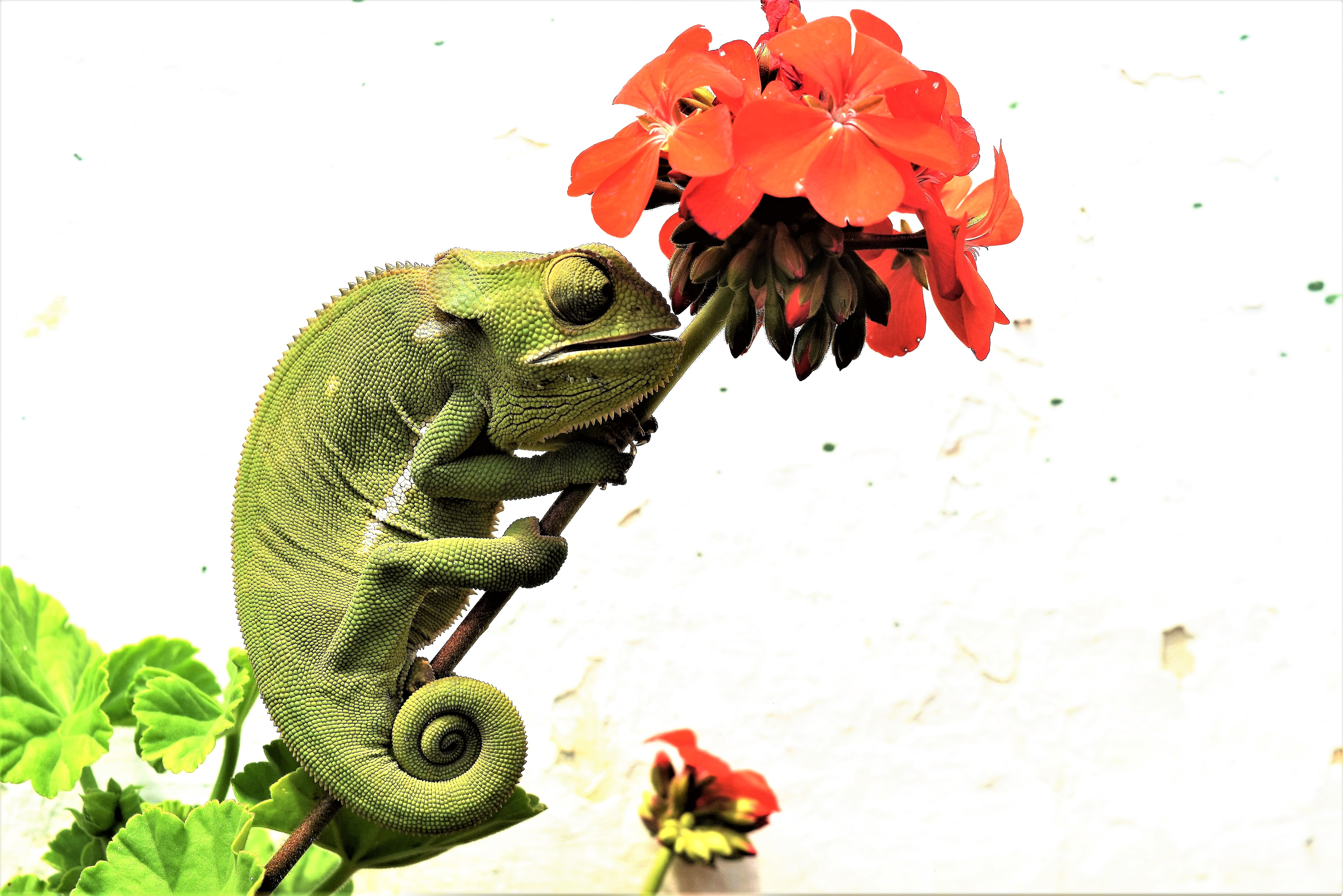
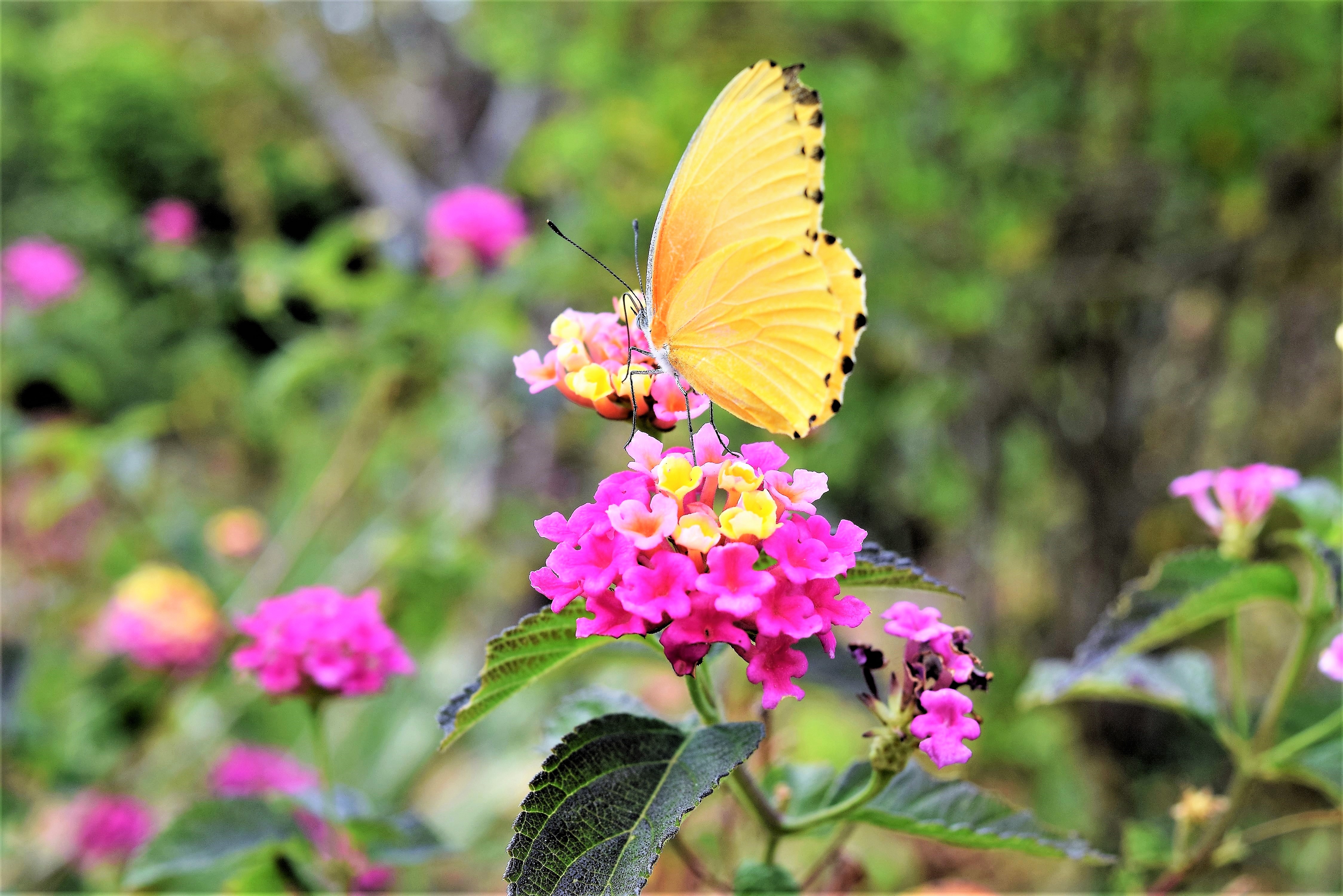 It is set on a lovely open piece of land surrounded by the forest, on an escarpment with views across the East African rift valley. The scenery is immediately relaxing. We got ourselves settled into our respective rooms, C and I in the lodge, and AS and her family in the forest cabin. Then C and I had fresh sandwiches for lunch. As C quickly finished and ran off her friends (well her friend, she tolerates her friend’s sister), AS and I sat talking, looking out the window, breathing in the beauty. There are plenty of hikes the lodge can arrange, but I wanted to do little but be away from Lilongwe. The gardens of the lodge, full of flowers as well as herbs and vegetables used in their meals, were also full of butterflies. I am a huge fan of nature photography and enjoyed just wandering the grounds in search of lovely things.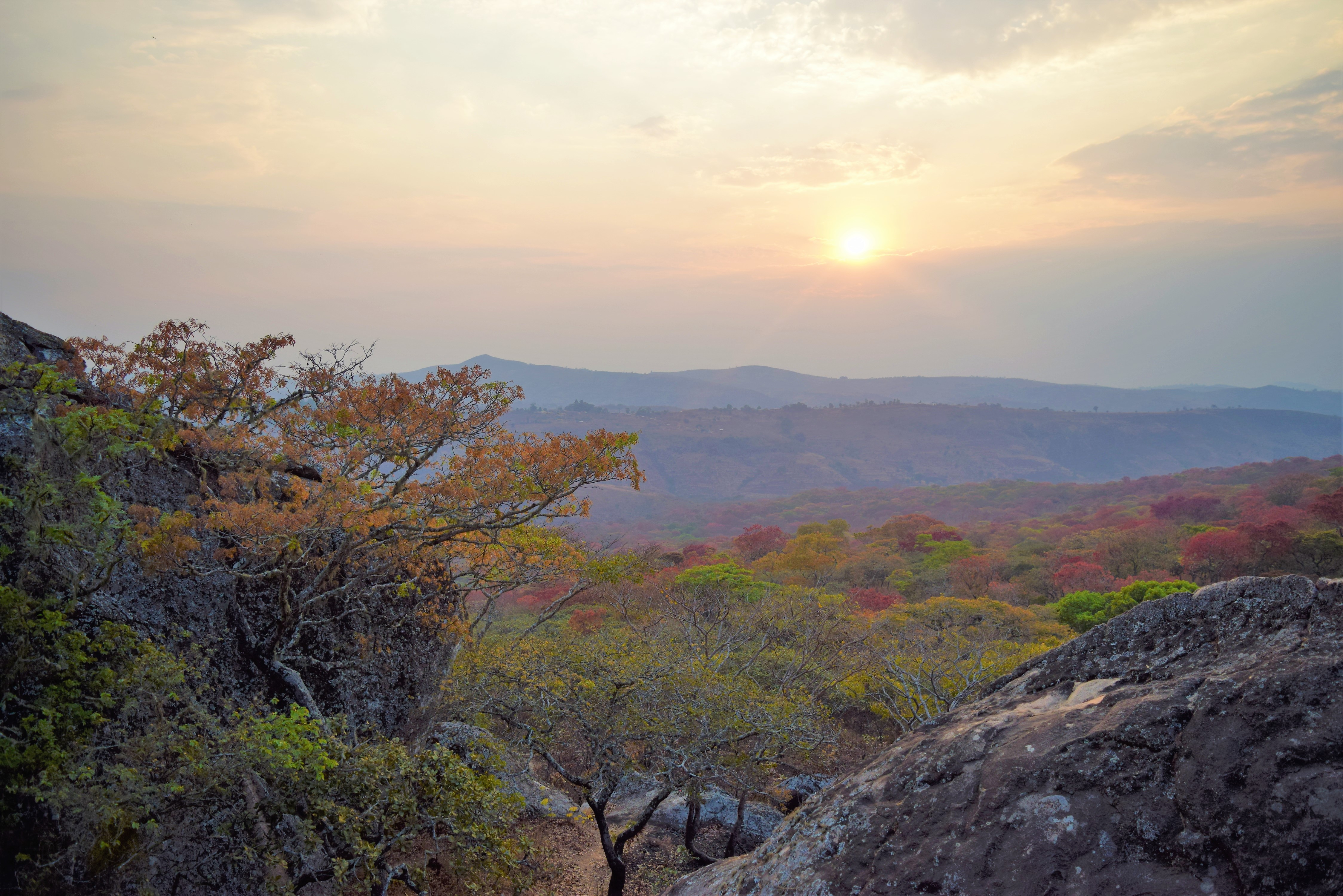



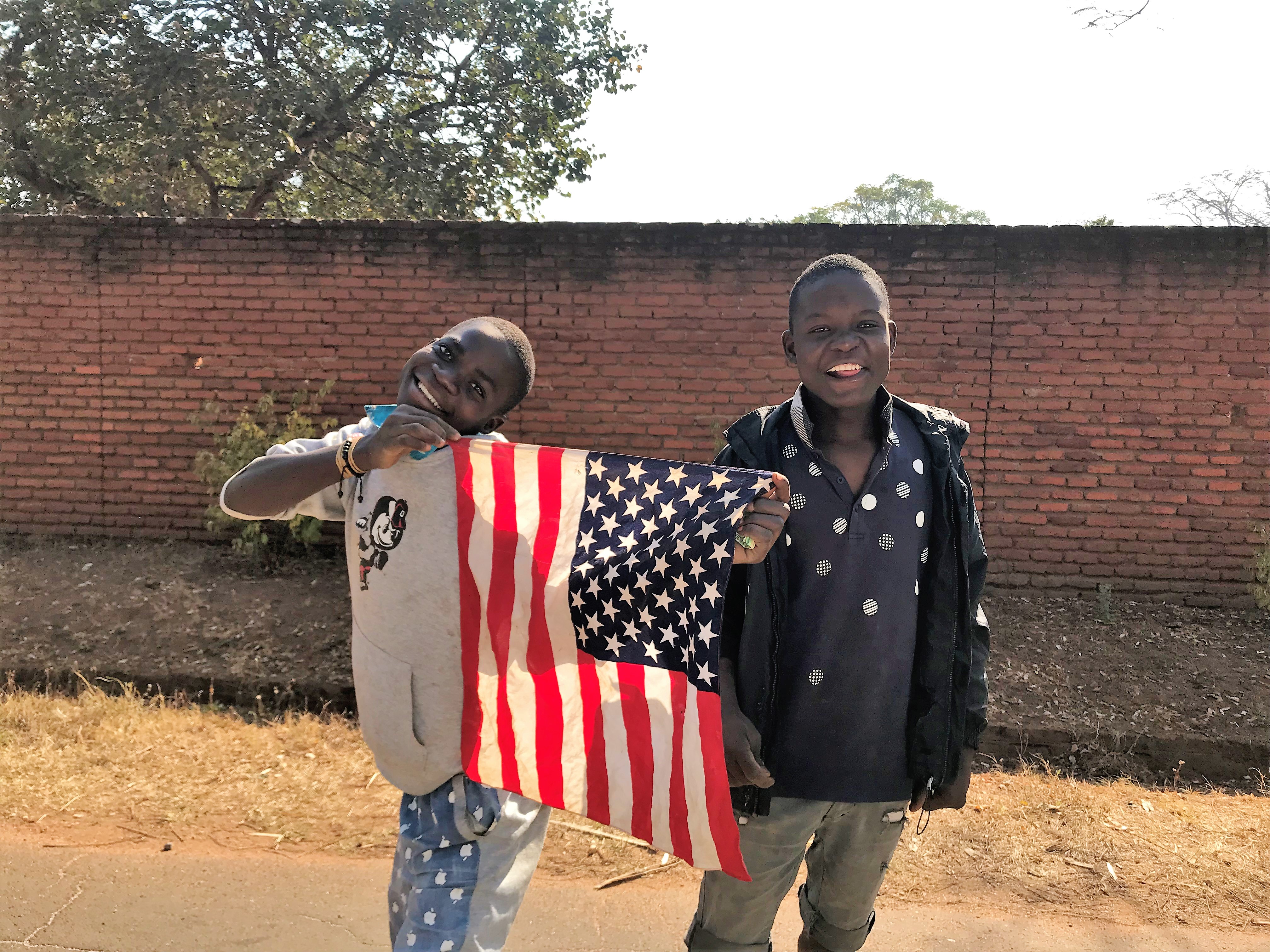 Take these two boys. I have seen them, part of a group of some 5 to 7 boys aged around 8 to 14, begging at a traffic light near the Parliament building the whole two years I have lived here. They hail from Kauma, a predominantely poor community in Lilongwe, basically a slum, not far from my own home. I do not give the boys money, but I have from time to time given them boiled eggs, bananas, apples, crackers, bottled water, and the like. From a few months ago, the gang seems to have split up — perhaps finding the corner of an oft-busted traffic light, on a road sometimes closed due to protests, not the plum place it once was. These two boys seem to have migrated to my very own neighborhood where they pound up rocks and bricks to fill potholes the local and city government fail to ever fix. They do the work and then sit back waiting for residents to pass by and reward them for the favor. I have started giving them a little money — they are after all providing a real service now. Imagine recently as I pass them, they stand, and one unfurls, of all things an American flag, that he had held tightly in his fist. They jump up and down happily chanting “America.”
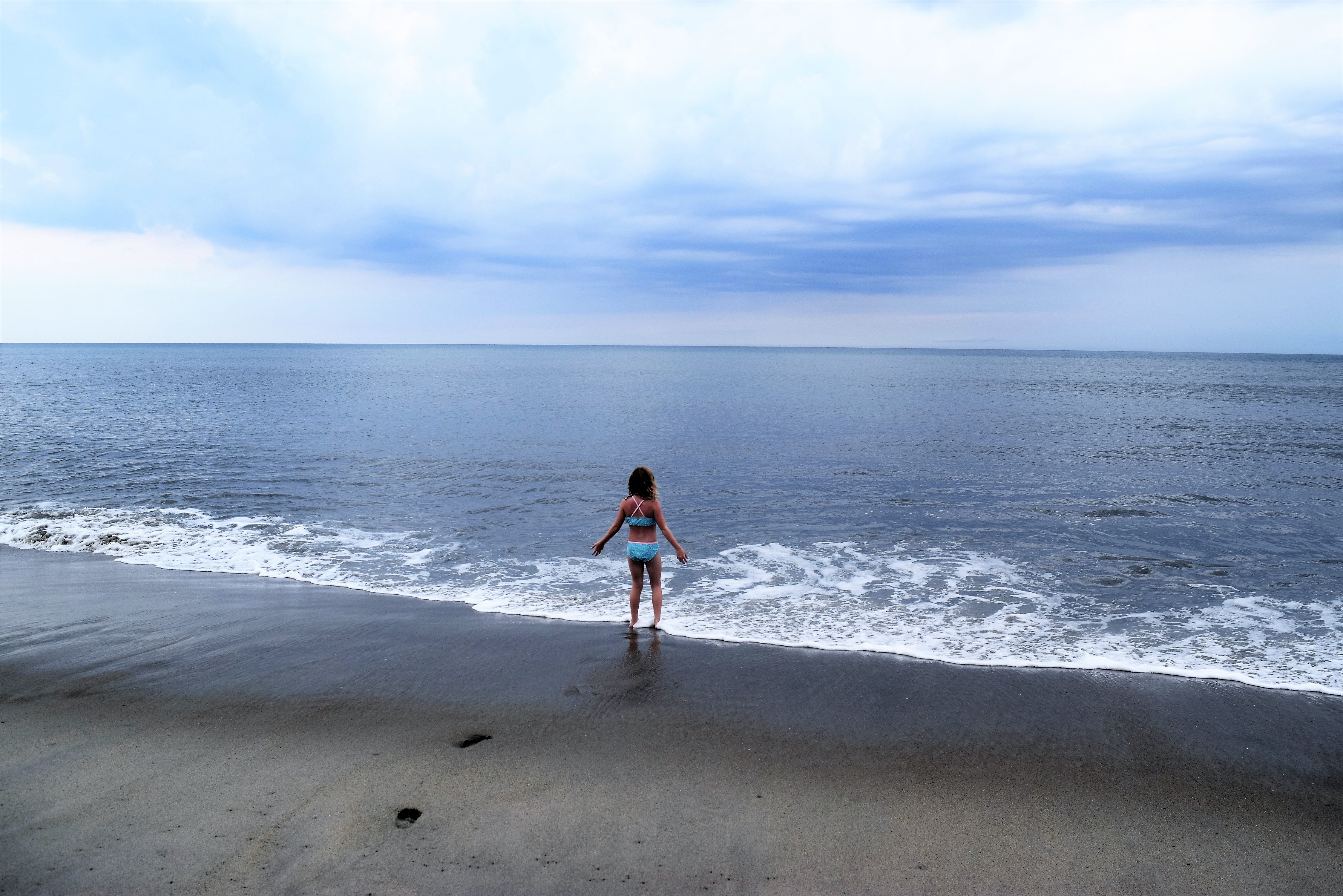

 When we returned the following day to visit the rest of Fort Raleigh, she had even more questions about the missing settlers. Then we headed over to the North Carolina Aquarium because we are simply incapable of passing up on an aquarium. We followed up with a visit to Dare Devil’s Pizza so I could introduce C to the massive stromboli I remembered from my visit 30 years before and then we had some time to stroll and play on the beach.
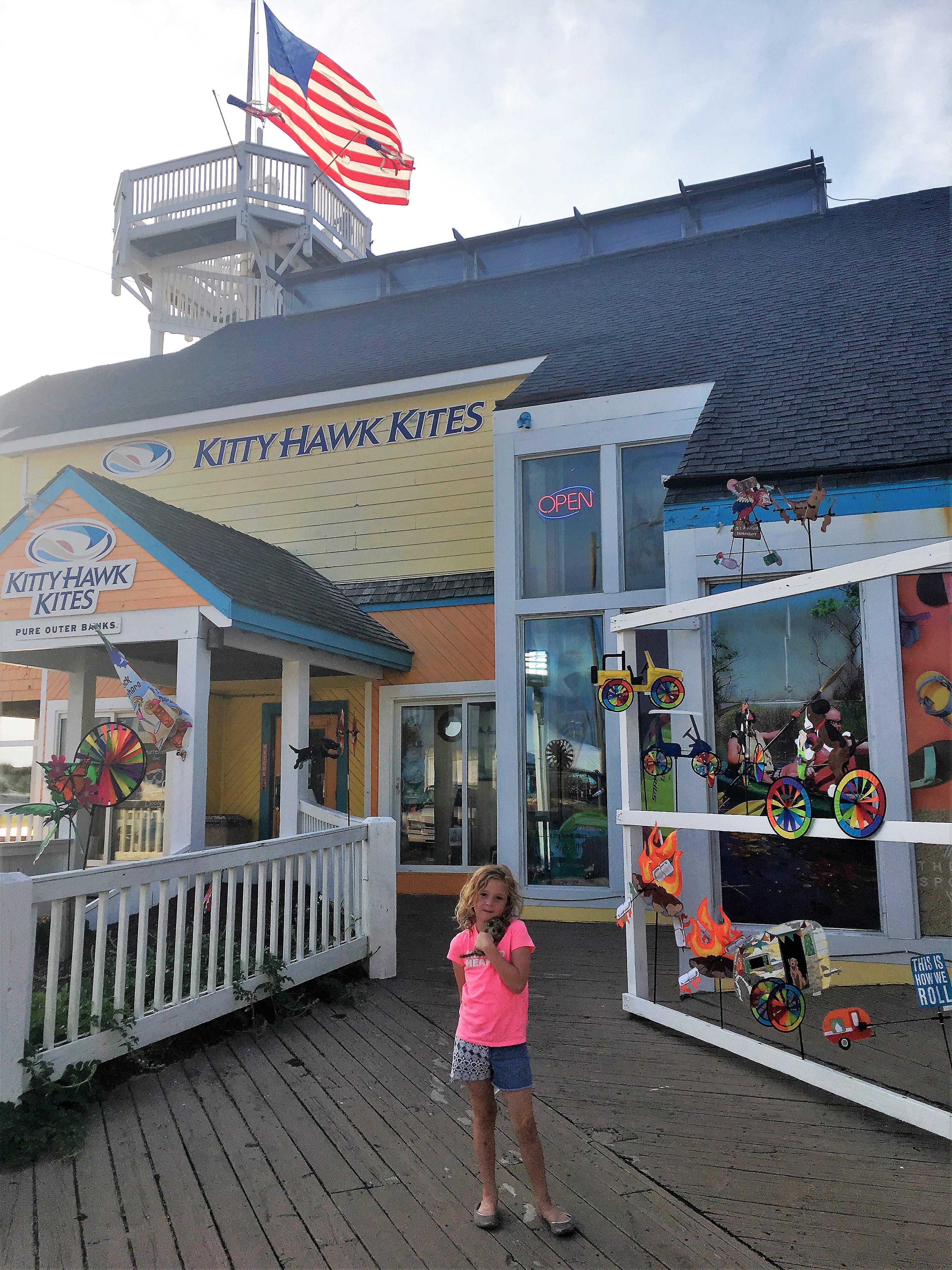 Once back in Nags Head we stopped at Kitty Hawk Kites because its an Outer Banks institution and I remembered visiting when I was 16. It is also the place to go to book adventure tours and activities. By the time we left about an hour later, C had convinced me to buy her a fox kite (word to the wise: know the dimensions of your extra suitcase so you do not buy a kite that is 4 inches too long to fit) and for me to sign us up for mother-daughter hanggliding classes on the dunes for the following day.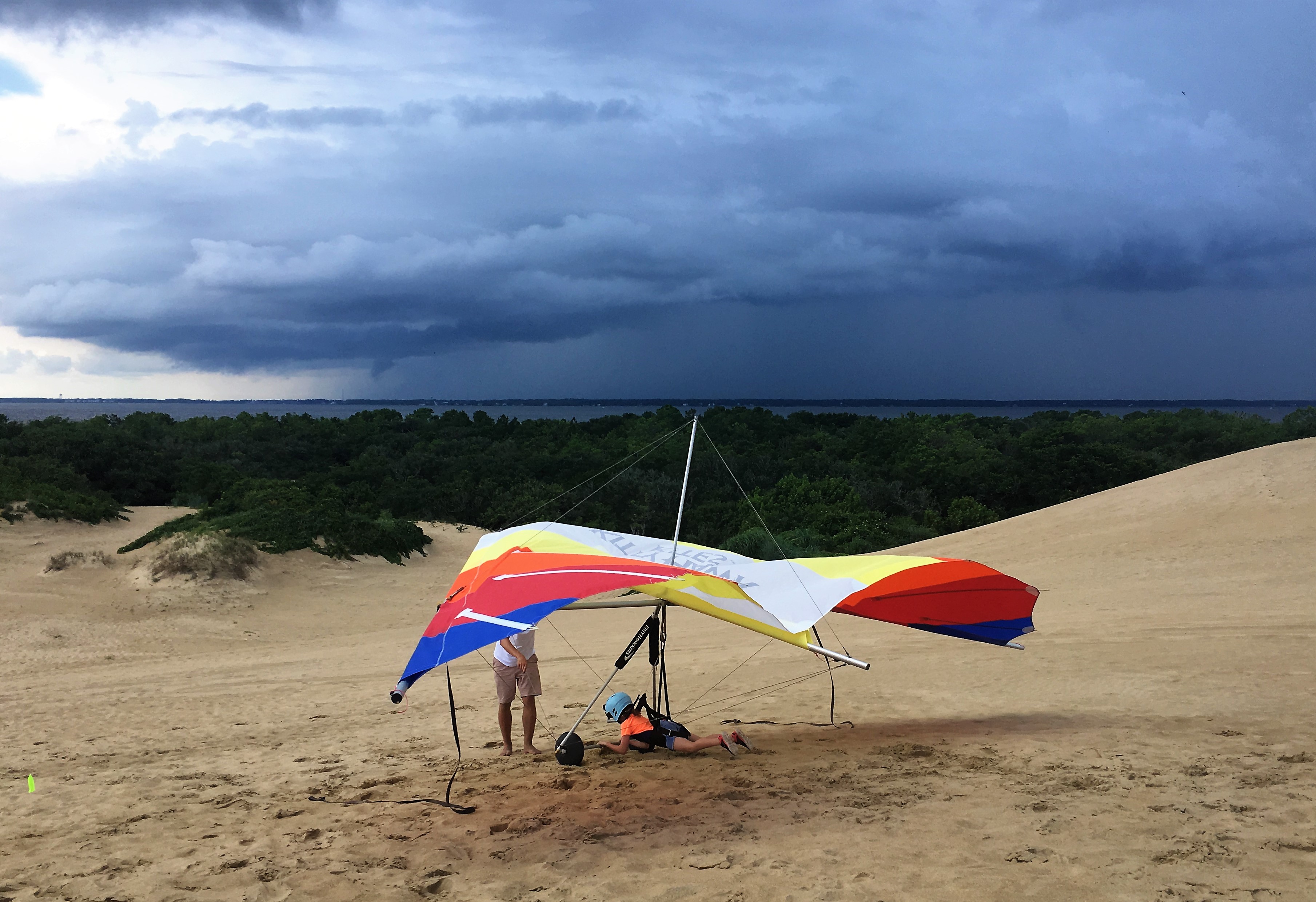
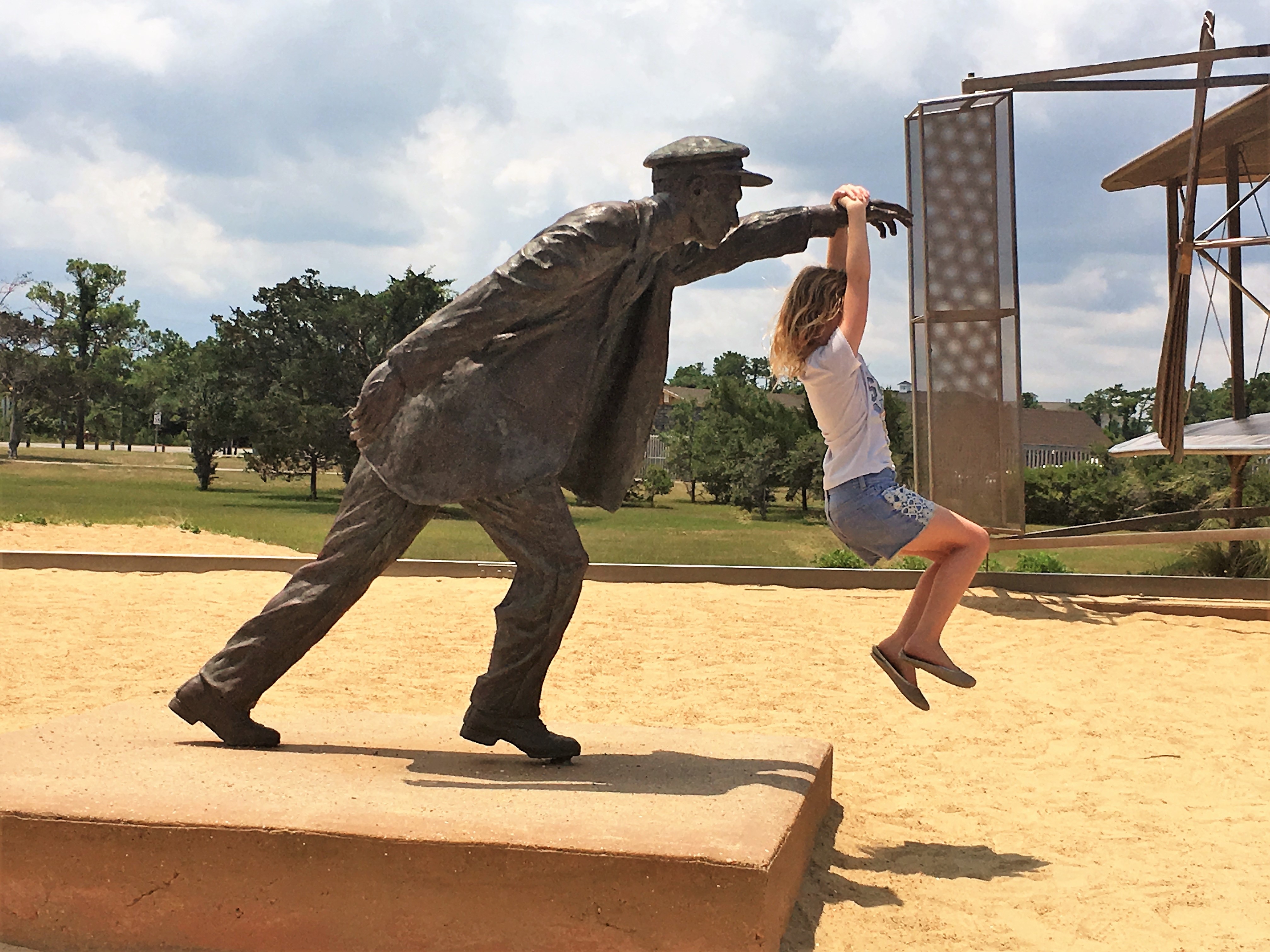


 We then drove on to Winchester, Virginia to spend a few days at my Aunt C’s, including a night at her cabin in West Virginia, and then a few days in Sterling, Virginia, my original home town. We caught up with friends and family. And then it was time to say goodbye to the U.S. How did four weeks pass by so quickly? But we squeezed a lot in. C had time in NY with her father, her paternal grandparents, aunts, uncles, and cousins. I had time in Jacksonville with my Aunt C and doing more in my home-away-from-the-Foreign-Service. We caught up with CZ and Little C in New Bern. We visited my college town and soaked in some early American history, and had another walk down my memory lane and more American history in the Outer Banks. And we both made new memories enjoying time in the beautiful barrier islands of Virginia. We visited a total of five places in the U.S. National Park system. Not bad at all for four fabulous weeks.


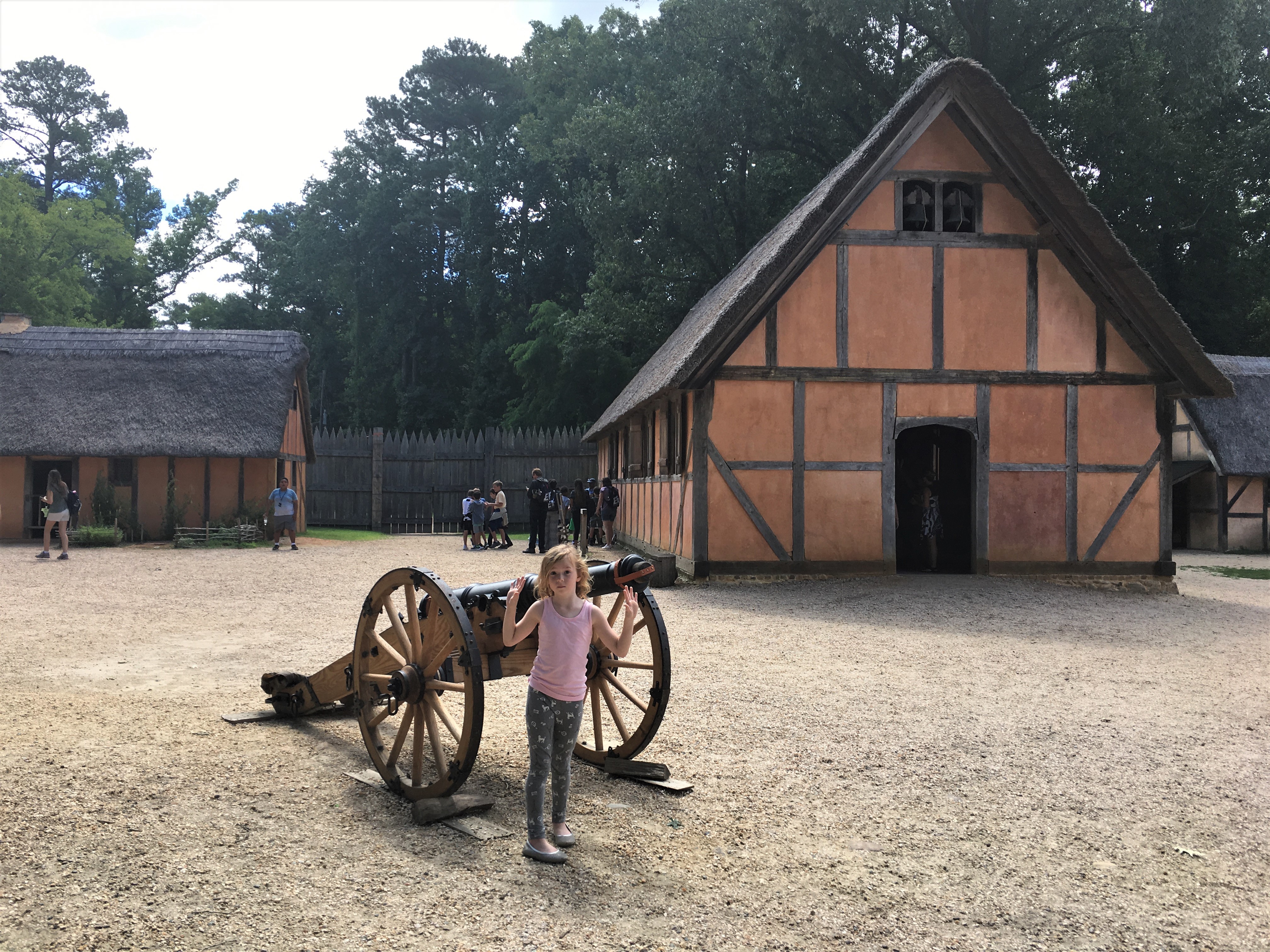
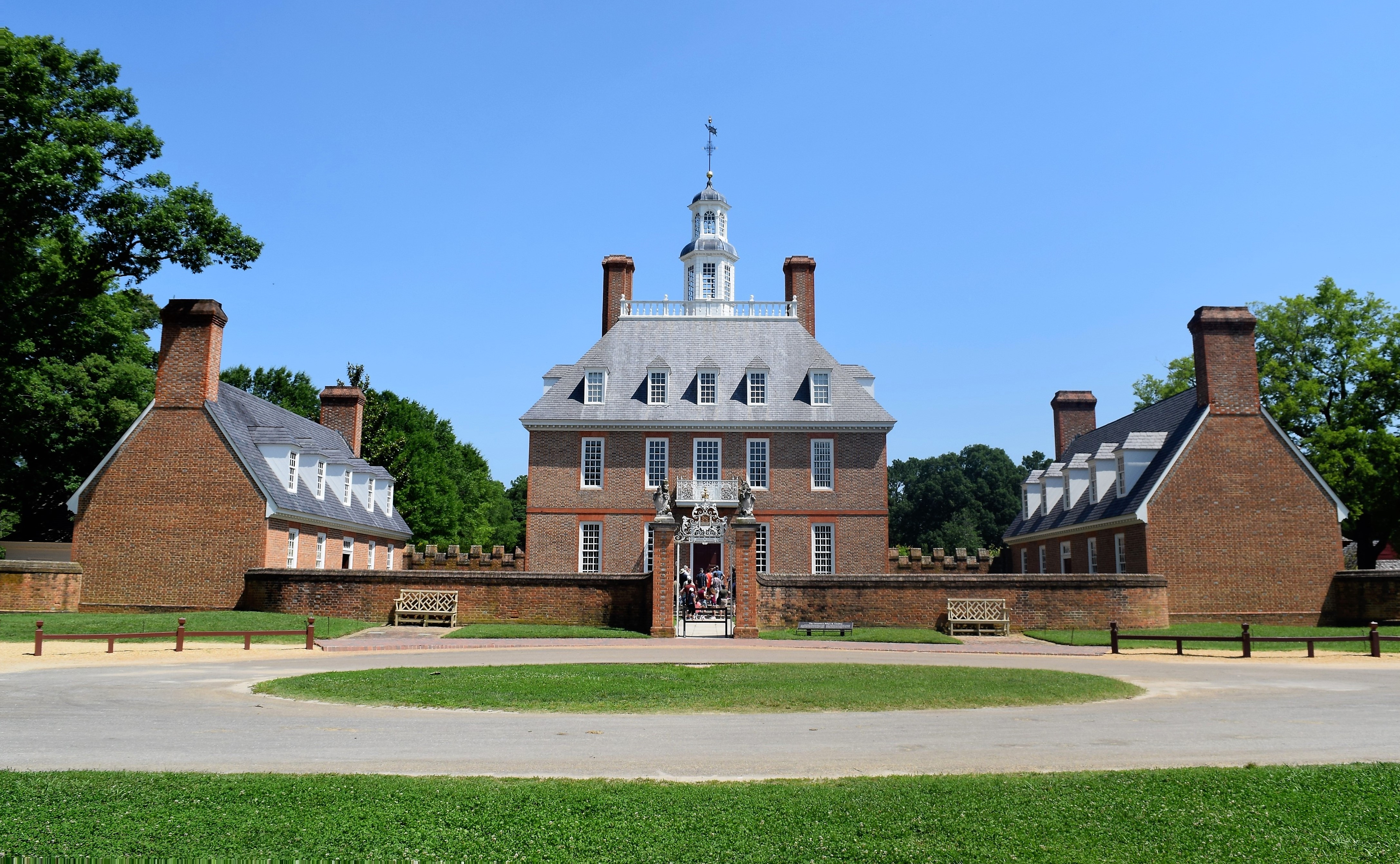


 After educating (and sort of torturing) C with the American history lessons and walks down my memory lane, it was time to reward her with two fabulous days at Great Wolf Lodge. GWL is a chain of indoor water park and amusement hotels. My sister and her family had been a few times and I could hardly wait to bring C. I must have splurged for a Cub Club room, where we could have fit 6 people, but had forgotten I did so. What a fun surprise! I thought C would be all about the water park, but she was actually all about the indoor MagiQuest game, where she ran around with a fake wand activating sensors and solving quests. She made lots of friends doing this. We also won the rubber ducky race — kids decorate a rubber duck in the morning and then enter it into the water park race. All the ducks are dumped into one section of the lazy river and make their way to the finish line. The winner gets to sit in a special section of the water park for 24 hours. (Experienced Winner Hint: Show up on a day when only 4 people enter the contest and then be the only person to show up poolside during the activity. Yay, you win!) It also turns out C has a wicked sense of timing for the arcade claw games. Good thing I brought an extra empty suitcase….
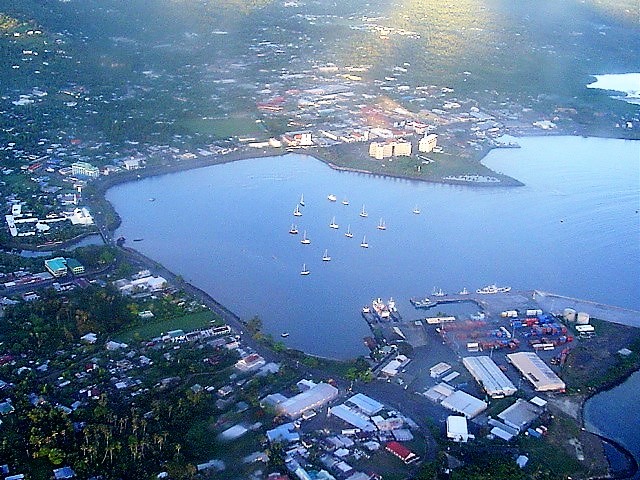




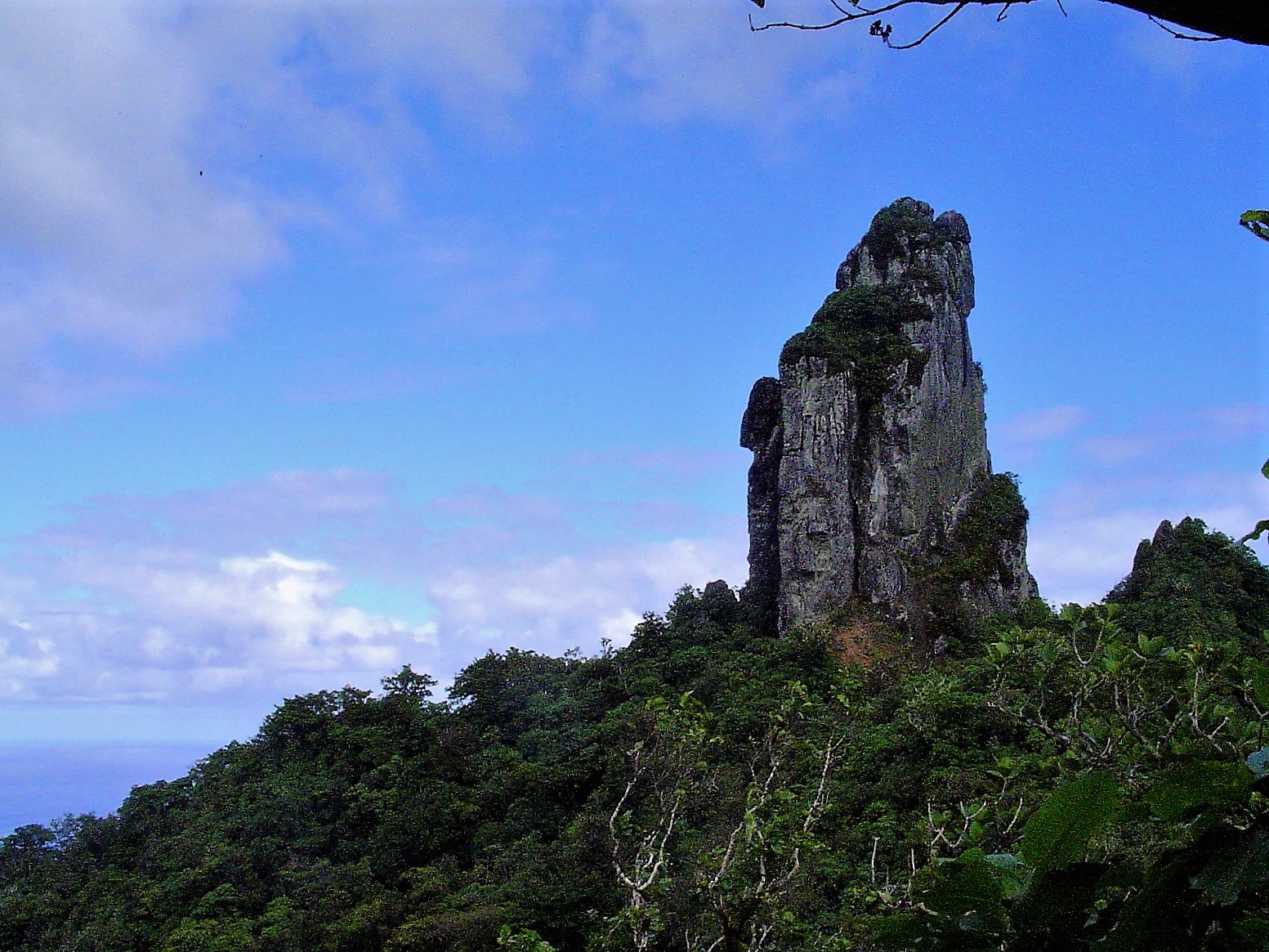
 That night I joined the other hostellers in a trip to a local dance spot/bar. I was a wee bit reluctant to go (I am neither a drinker nor abar fly). They were all playing drinking games to prepare for going out. I read a book. But I decided I might as well go. While there, I started to feel a bit old. Though there were certainly all ages in the crowd, I would say most were in their early twenties, and most were very keen on drinking as much as they could. Still, the place was going to hold a dance contest, and I like dancing. I start dancing with Jay, another guy from the hostel. After the initial dancing was over, I was just standing by the side when the judge came up and asked me who my partner was. I pointed at Jay. The judge says, okay, you two are the final couple in the contest. Our mouths hung open. It turned out to be a contest of foreigners dancing to Cook Island music. Basically, we had to dance like Cook Islanders. We danced our little hearts out – I tried to remember anything from when I studied Polynesian dance as a child. We came away as runners up, winning a case of vodka drinks. Ha! Just what a teetotaler who rarely goes to bars wants – Jay was pretty happy though. I felt pretty impressed with myself. I trekked for four hours AND danced away in a manic Cook Islands dance contest in the evening (along with two hours more of dancing) – maybe I was not that old after all?




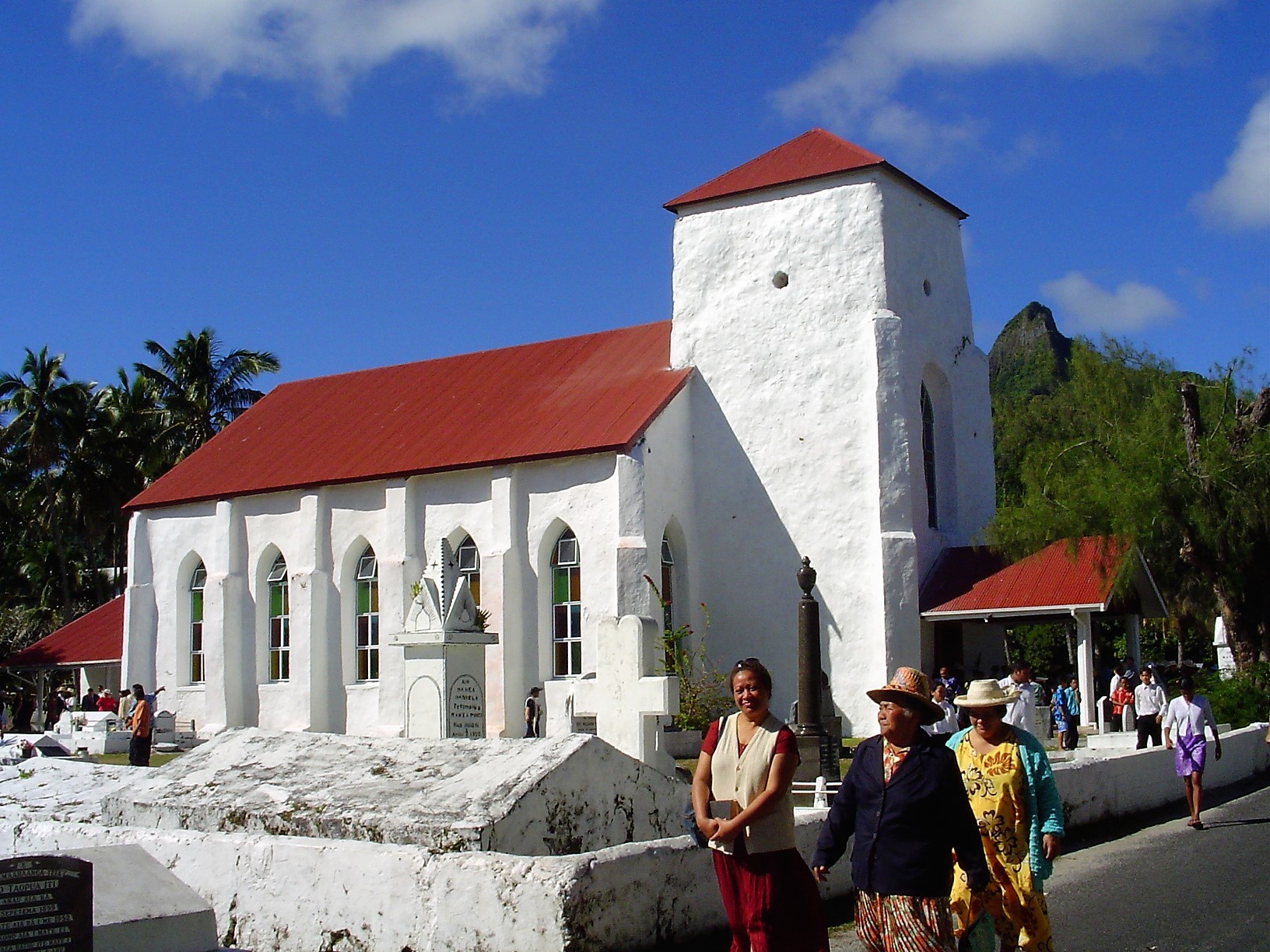 On Sunday morning I attended church at the Cook Islands Christian Church (CICC). The service was mostly in Maori, the traditional language of the Cooks. The local patrons were dressed in their finest – with women in colorful flower-patterned dresses and traditional straw hats; the men in flowered shirts. The pews and beams and pulpit are made of a warm reddish medium wood, while the walls are a white stucco and the ceiling painted an aquamarine green – the kind popular in the sixties. Though it seemed an odd color in and of itself, it worked in this church with its simple stained-glass windows. Those sitting in the center section were clearly the most serious of church goers. They stood up first for songs, sang the loudest, and sat down last. They were also the best dressed. Those on the lower section’s outer seats seemed the second tier of church goers. Maybe they had not arrived quite in time to claim the middle seats for the day, but they were still dressed in their colorful finest and sang the hymns with vigor.