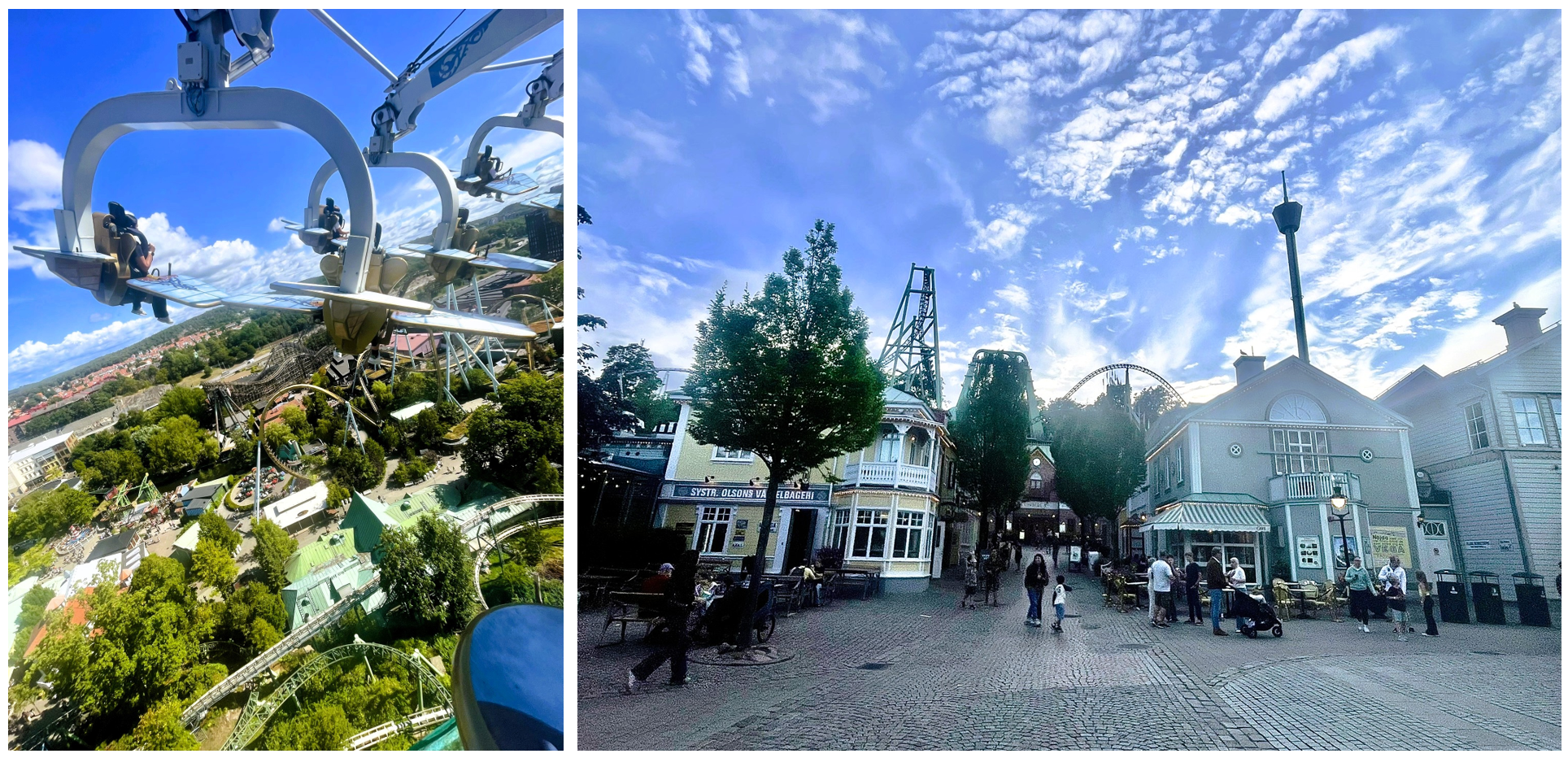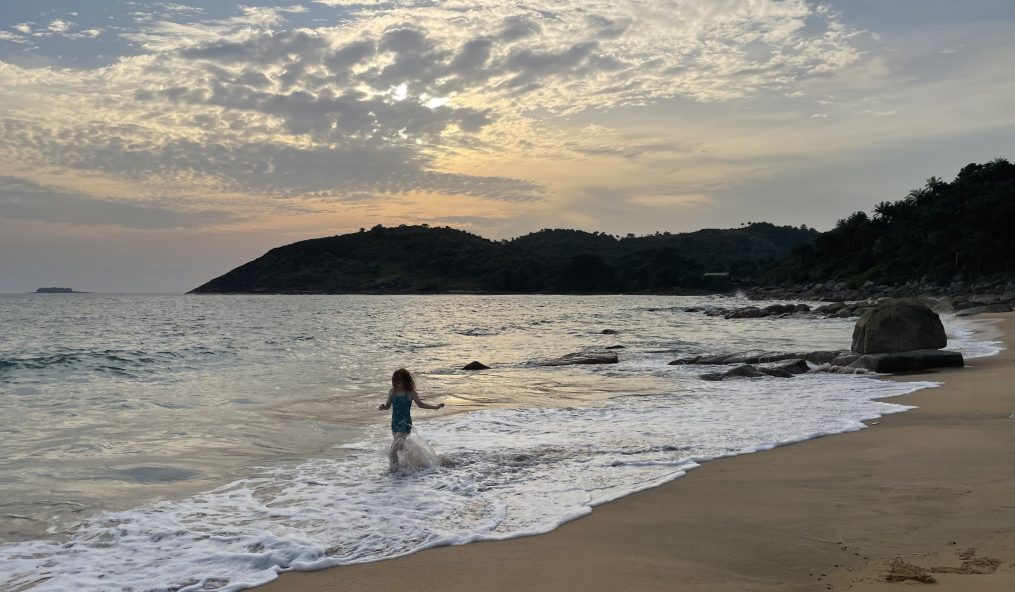
The sixth installment of my daughter and my August 2026 visit to Sweden.
On our third day in Göteborg, we took the tram again toward Liseberg. Near the amusement park is the World of Volvo, a museum about the company and its history. Neither C nor I are particularly interested in cars, though C has now joined the Car Club at school, so maybe this visit had an impact? I may have dreamed of owning a Corvette or a Porsche when I was a teenager, but I never dreamed of owning a Volvo. Still, we were trying to experience quintessential Sweden, and it seemed worth a visit.
The lobby alone screamed Scandinavia. With its light wood, clean lines, and open space, it naturally reminded me of an IKEA showroom. They are both Swedish companies, after all.
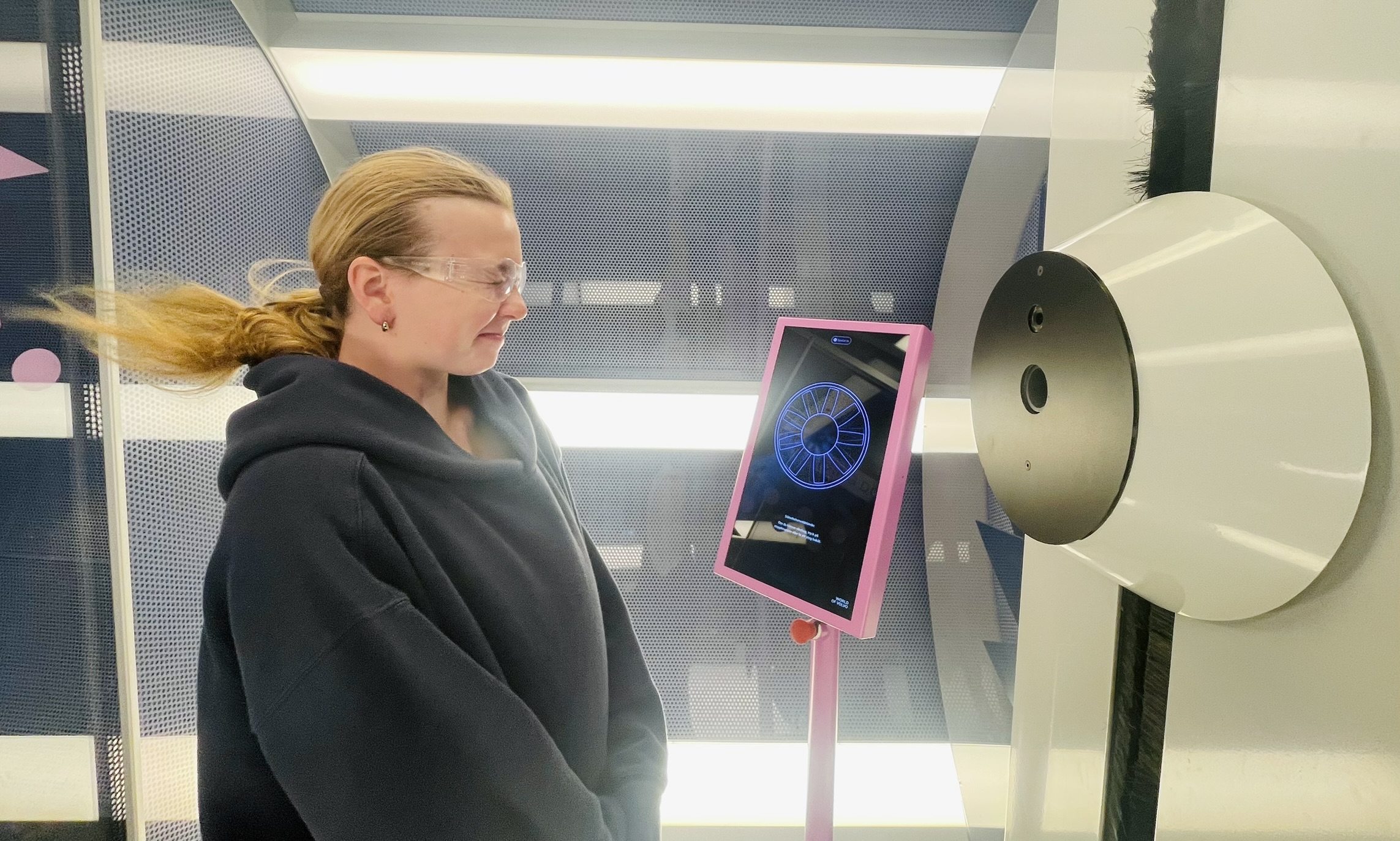
We spent about an hour going through the exhibits, learning about Volvo’s history, its involvement in car racing, the evolution of its designs, and the different types of vehicles it makes. There were also interactive activities. One was a driving game that several adults were trying. The game kept giving me low scores, and I had a sinking suspicion Volvo thought I wasn’t the best driver. A wind tunnel demonstrated how a car’s shape affects its aerodynamics, and another exhibit explored how a driver’s mood can affect driving.
It was an interesting visit, and I’m glad we went. It was an unusual choice for us, but it gave us a different kind of cultural experience. I’ll include a photo or two, but I won’t spend a lot of time on it.
Afterward, we walked up the street to the Grand Curiosa Hotel, the whimsical hotel associated with Liseberg. We have stayed at some Disney properties, so I wanted to take a look. We had chosen to stay closer to the train station, which worked well for us, but Grand Curiosa looked like a lot of fun. It had playful, fantastical decor and even a slide inside. It seemed like a fun place to stay, and with the tram connecting it to the center of town, it wasn’t far away. I found myself wishing we had stayed there for at least one night.
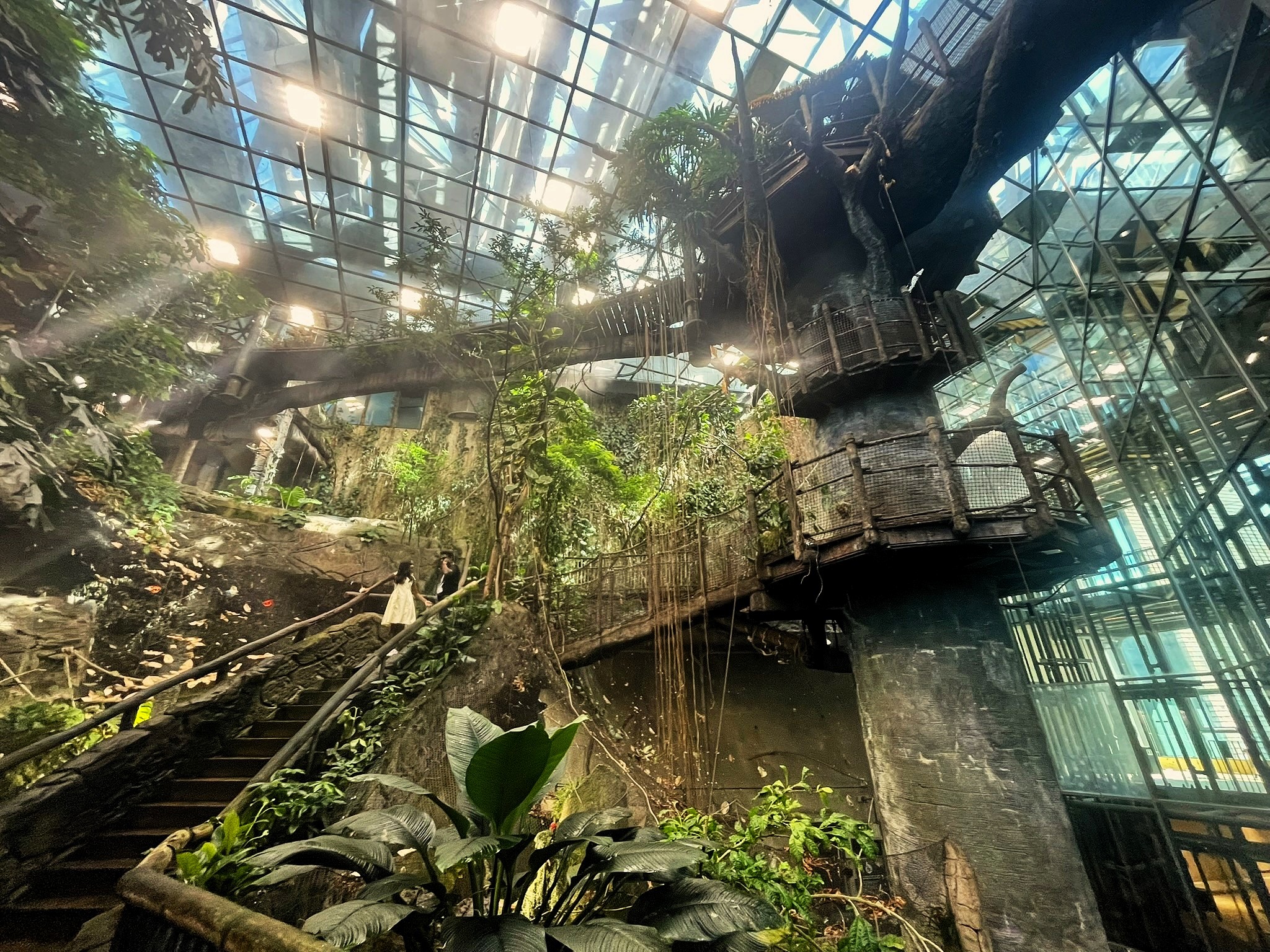
Then we got lunch and headed to the Universeum. It is a science and nature museum that also houses an aquarium, which was a big draw for us. We love aquariums and have visited many all around the world. The tropical rainforest was another highlight. It took up several floors in the center of the building and reminded me of the rainforest room at the Baltimore Aquarium.
There were sloths in the rainforest area though they were inside an enclosure. It would have been a bit cooler if they had been free to roam, but there were also two toucans that seemed to have the run of the place. You could climb into a treehouse and cross suspension bridges above the exhibits. It was really well done and a lot of fun.
We also spent time in the space area, since C is interested in space and space exploration. She has even attended Euro Space Camp twice. She was interested in the math section, too, but by then we were getting tired, so gave the health section only a very cursory look. After several hours at two museums, we had had enough for the day.
We walked back to the hotel by different streets, giving us another chance to explore the city, and then rested before our big evening experience.
Early in the trip I happened to be looking at the requirements for Scouting America’s International Spirit Award. One option involved traveling overseas and meeting up with scouts. As were were traveling abroad at that very moment, I thought maybe we should look into visiting with some Swedish Scouts. You might recall that while in Stockholm we had encountered some scouts from the UK in Gamla Stan. When I spoke with them, and they told me they had spent a week on an island with Swedish scouts and showed me the neckerchiefs they had swapped. That conversation stayed with me.
I had found a Facebook group for Swedish scouting and posted that we were traveling through the country and would be in Göteborg, Stockholm, and Visby in the coming days and wondered if any troops would be open to meeting with an American Scout. There was a significant response, and a Sea Scout ship just outside Göteborg invited us to join them for a meeting.
That evening, we took a bus to Torslanda (which means “Thor’s Land”). The skipper and his fifteen-year-old daughter, who was also a scout, picked us up at the bus stop and took us to the marina where their Sea Scout ship was meeting. The meeting turned out to only be a gathering before sailing.
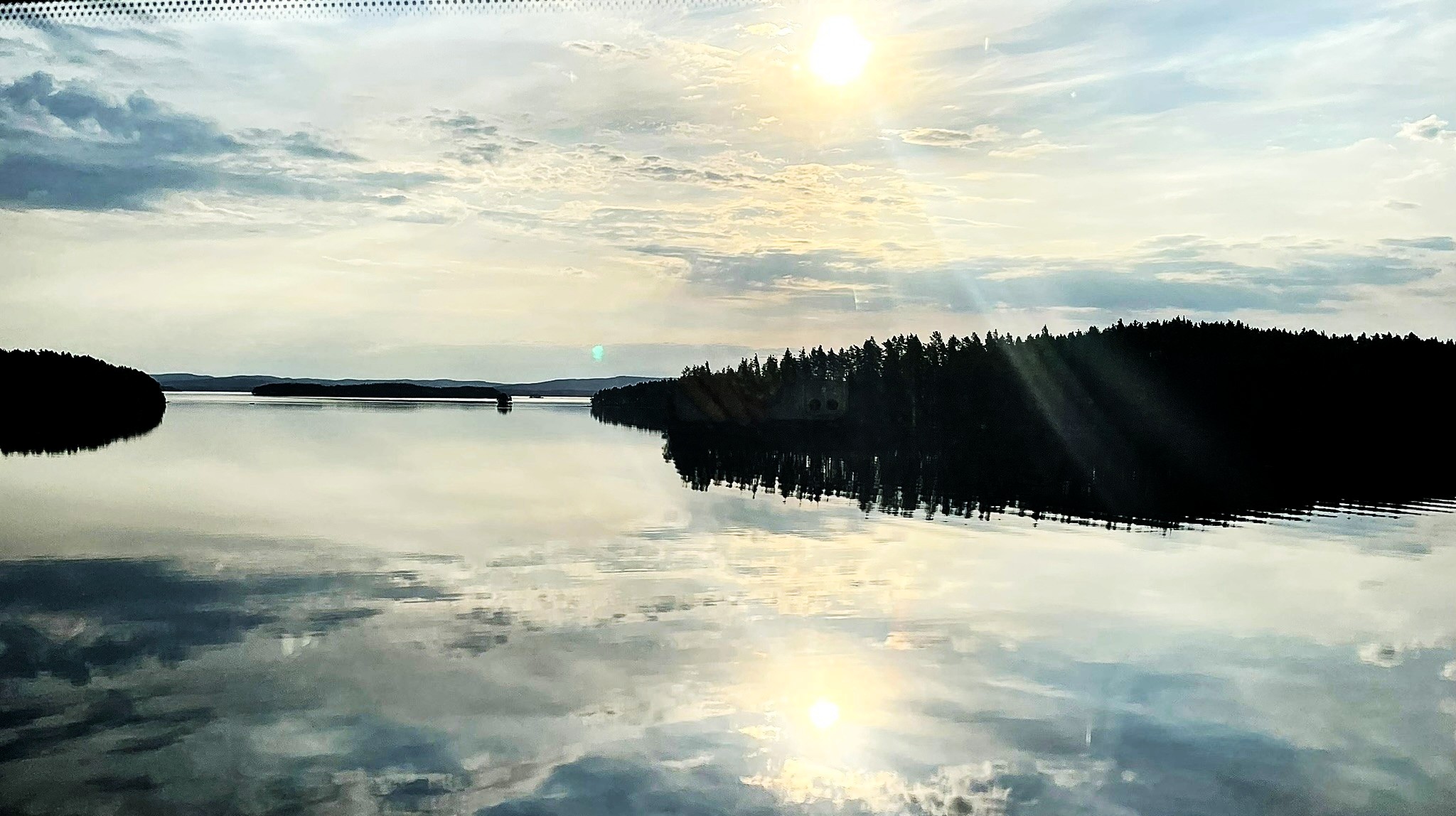
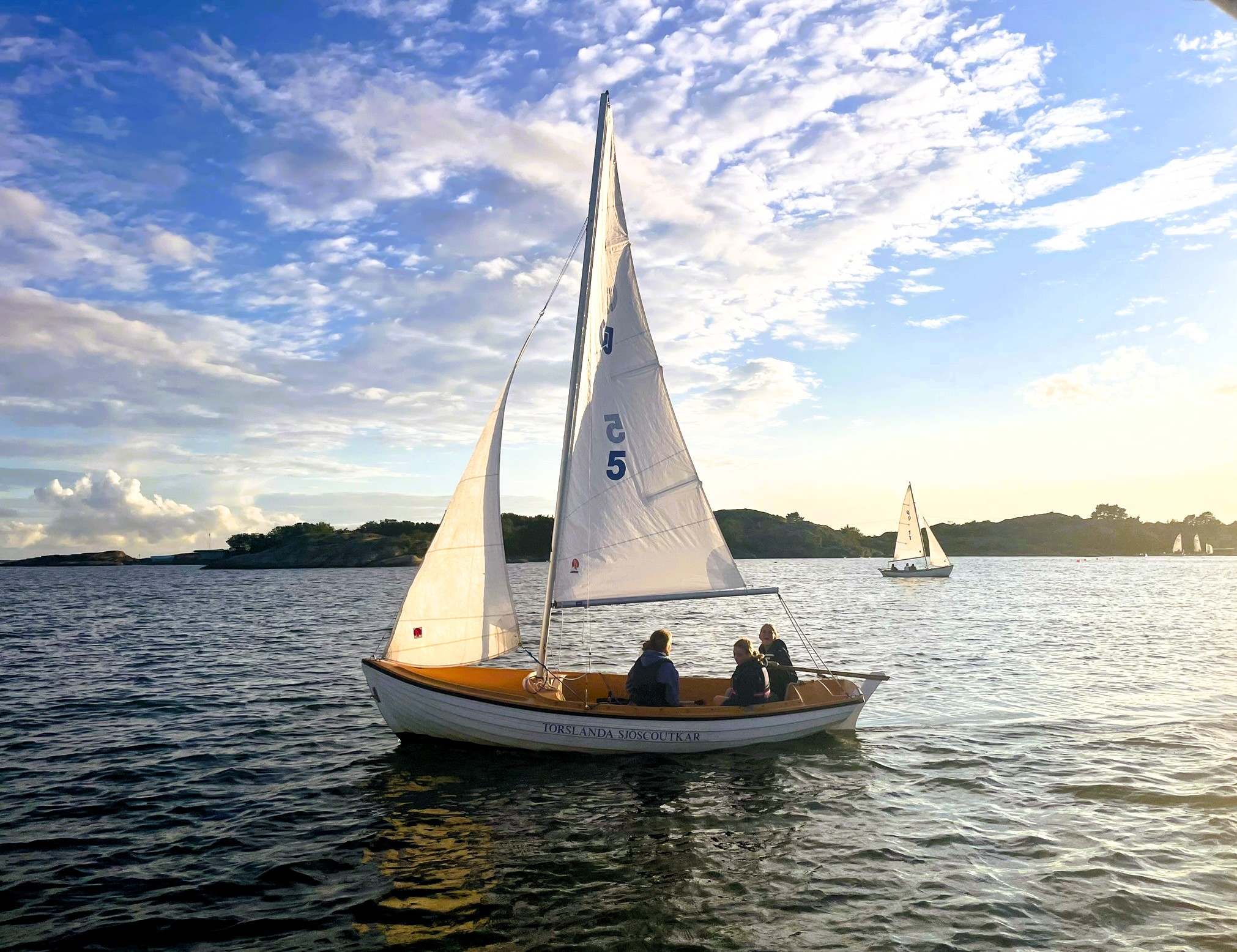
C went out with two fourteen-year-old girls from the ship, while the skipper and another adult leader took me out in their boat. I had imagined I would be hanging out in some marina meeting room while C sailed, but instead, I found myself sailing on the Kattegat Sea as the sun was setting. What had started as an effort to arrange a scout meeting had become an unexpected evening on the water.
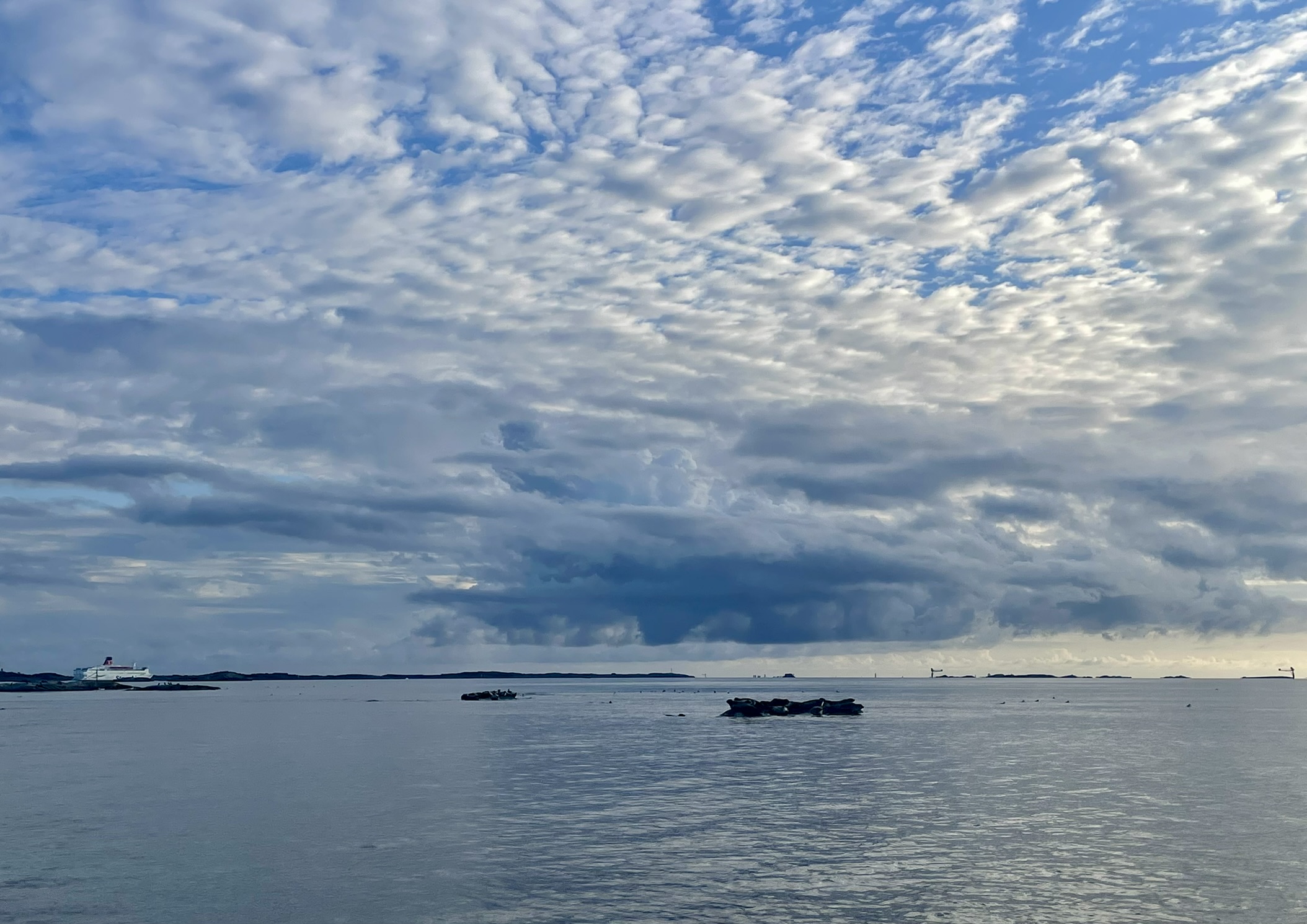
We were out for about two hours. The skipper was a former Swedish Navy officer who had searched for mines in the Baltic Sea during his naval career. He told me he had grown up in Stockholm where sailing was a tad easier than Göteborg, given that in the former it takes time to travel through the archipelago to the sea, while in Göteborg it took no time to reach open water. In the distance we watched the ferry to Frederikshavn, Denmark, head out from Göteborg, saw family fishing boats searching for their catch, and caught some seals resting on some rocks.
It was beautiful out there in the bay, with the evening light over the water and C sailing nearby with her new companions. We had come to Sweden to explore its history and culture, but this was something I could not have arranged simply by buying a ticket. People we had never met had welcomed us into their evening and taken us sailing. It was an unforgettable experience.
C especially connected with the two girls she sailed with. They were curious about America and her scouting experiences, and she was curious about theirs. They shared an interest in scouting, and Sea Scouts in particular, but they were also just teenage girls. Along with talking about sailing and scouts, they were swapping stories and connecting over Instagram or Snapchat. It was really special to see how much they had in common despite living in different countries.
When the boats returned, everyone gathered in a circle to talk about the evening. They thanked C and me for coming and presented us with patches from their ship. The skipper also gave C one of their neckerchiefs, which she was especially proud to receive. She left with something to remember the evening by and new friends she could keep in touch with.
The skipper drove us back to the bus station, and we rode back into Göteborg. What a tremendous evening. I had hoped C might meet some Swedish scouts; I had not expected that both of us would come away with one of our most memorable experiences of the trip.
For our final day in Göteborg, we headed out to explore its archipelago. Sweden has more islands than any other country, and a few thousand lie off Göteborg. I had read that visiting the islands was a great way to experience another side of the city: a quieter place to stroll or ride a bicycle through small villages, with the sea never far away.
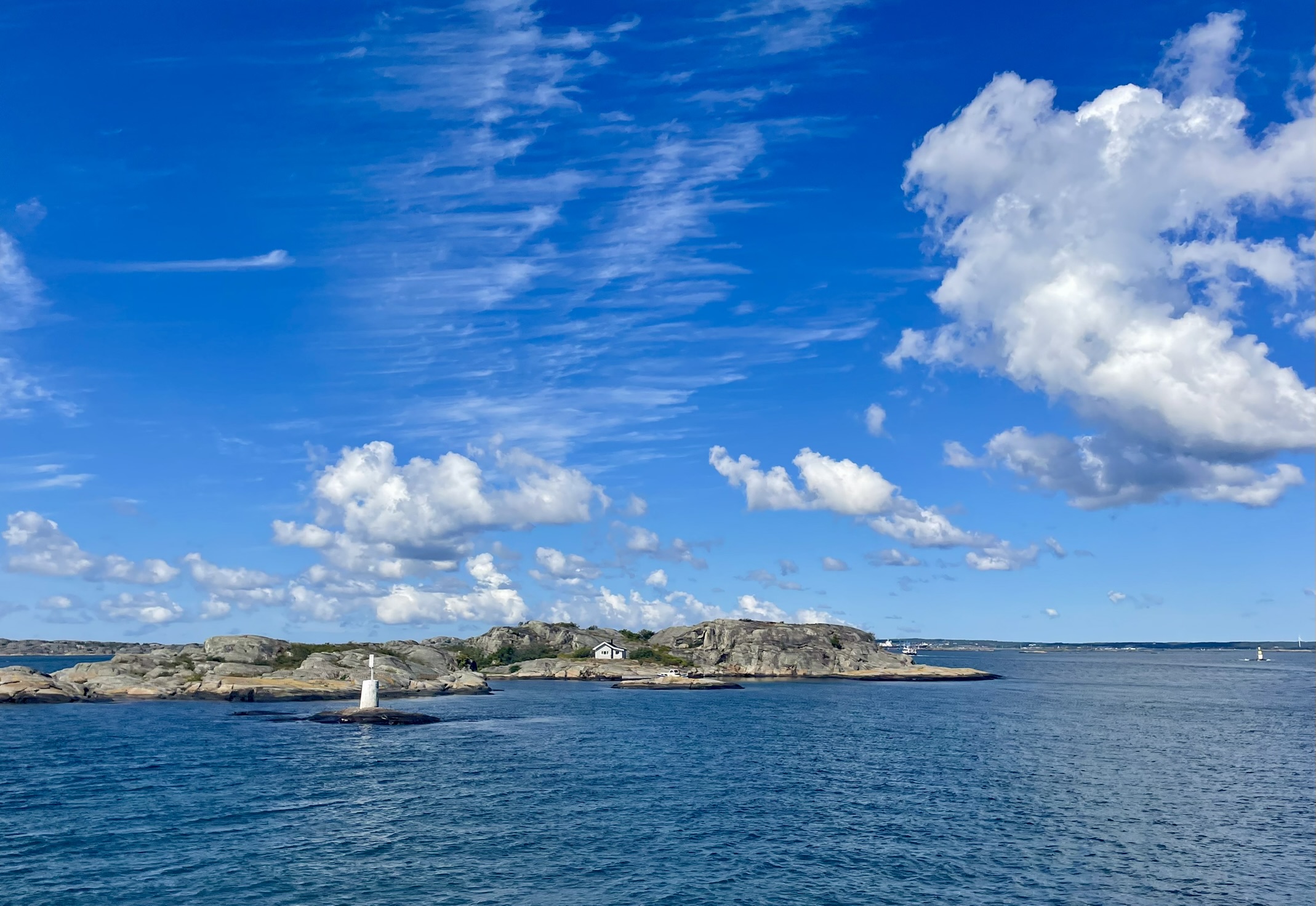
The southern archipelago is car-free. These islands have year-round communities as well as summer homes, and regular ferries connect them to the mainland as part of Göteborg’s public transportation system. For visitors like us, the ferry ride was an outing; for island residents, it was an everyday connection to the city.
We took the tram from the railway station to the end of the line at Saltholmen, a ride of about forty to forty-five minutes. After waiting another twenty minutes, we boarded the ferry to Donsö. I had chosen that island because we could rent bicycles there, and a bridge connected it to neighboring Styrsö. We could explore two islands without arranging another ferry ride.
It was another absolutely gorgeous day in Sweden: warm, with an incredible blue sky and blue water. We sat on the upper deck so we could watch the islands as we passed. We had bought some crisps at the ferry terminal and snacked as we rode. The trip took about forty to forty-five minutes, with stops at several islands along the way, but it did not feel long.
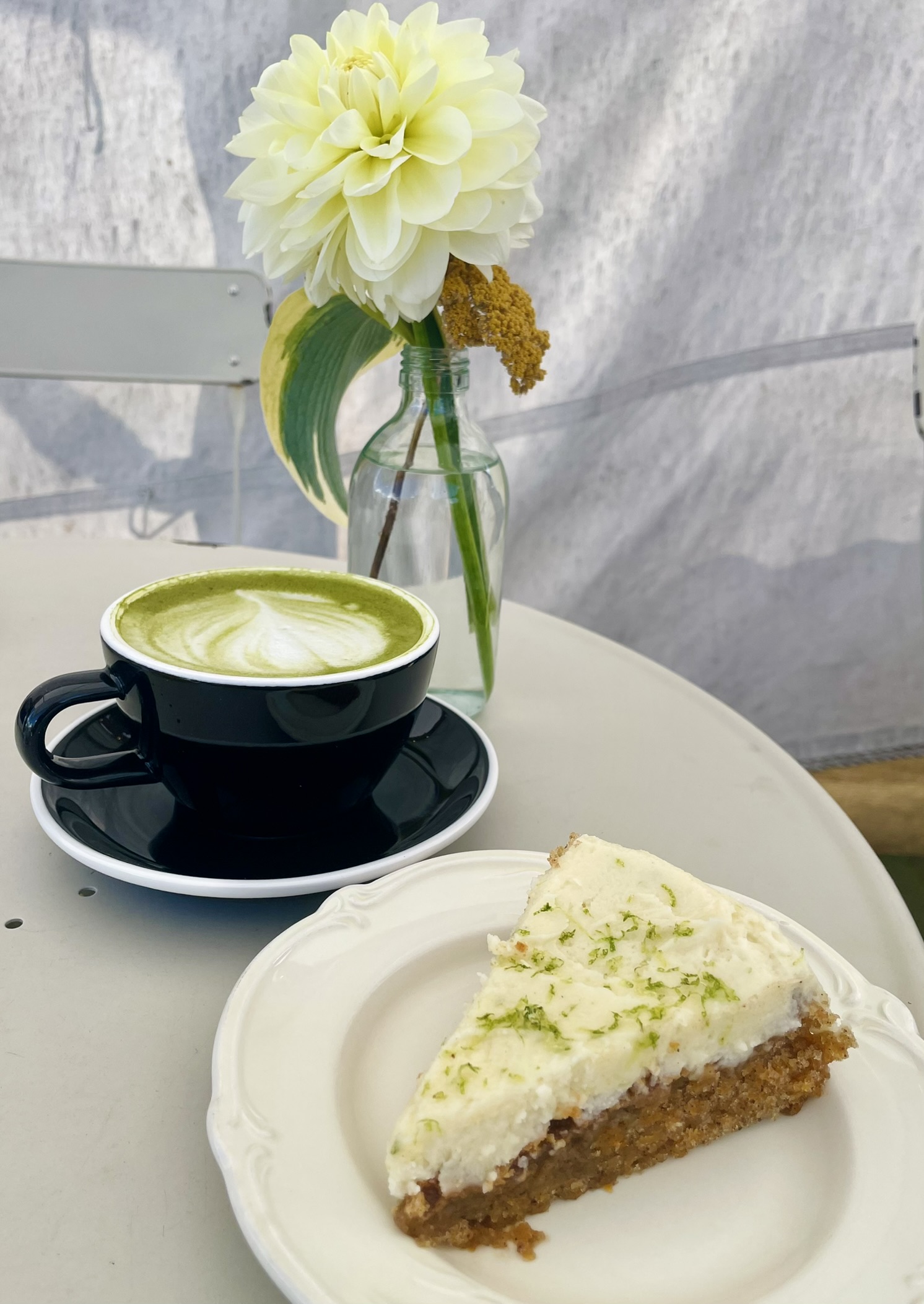
We arrived at Donsö around 12:30 and went straight to Popsicle Café. It was time for lunch, or rather fika. I had a fantastic green tea latte and a delectable piece of carrot cake, while C chose a beverage and a snack.
Afterward, we collected our rental bicycles and set out to explore. The islands have a long maritime history, and fishing and shipping still play an important role on Donsö. They felt understated to me. We saw some large homes, but nothing that struck me as a grand mansion. There was a simplicity to the villages that I liked.
We rode through villages and around Donsö, stopping at a small, picturesque lighthouse. The ride was surprisingly hilly. Even after our 22-mile ride in Falun, we were struggling a bit with these hills. We crossed the bridge to Styrsö and explored part of that island, though we did not ride all the way around it.
After returning the bicycles, we caught the 4 p.m. ferry back to the mainland and boarded the tram into town. As we rode, I realized that I still wanted to spend more time in Haga, the historic district we had visited briefly on our first afternoon. C was not so keen. She wanted to go back to the hotel and rest, and I suspected she wanted to catch up with friends in the States.
We had traveled between the hotel and this part of town several times, so I asked whether she felt comfortable continuing on the tram without me. I quizzed her on which stop to get off and pointed it out on the route map above our heads. She had her phone and was already accustomed to riding the Metro and buses at home, alone or with friends. It was daytime, and she could stay on the same tram. I was a little nervous, but I felt comfortable letting her go, with instructions to message me as soon as she reached the hotel. At the Haga stop, we went our separate ways. She got back perfectly fine.
My first destination was Skansen Kronan, a late-seventeenth-century fortress on a hill above Haga. The climb was fairly steep, but the views over Göteborg rewarded the effort. I could not go inside the fortress, so I spent some time enjoying the view before making my way down the other side of the hill.
Then I meandered through Haga, one of Göteborg’s oldest districts, wandering its cobblestone pedestrian streets. I passed up the enormous cinnamon roll. Had C been with me, we would have given that a go—the ultimate fika. On my own, I kept walking.
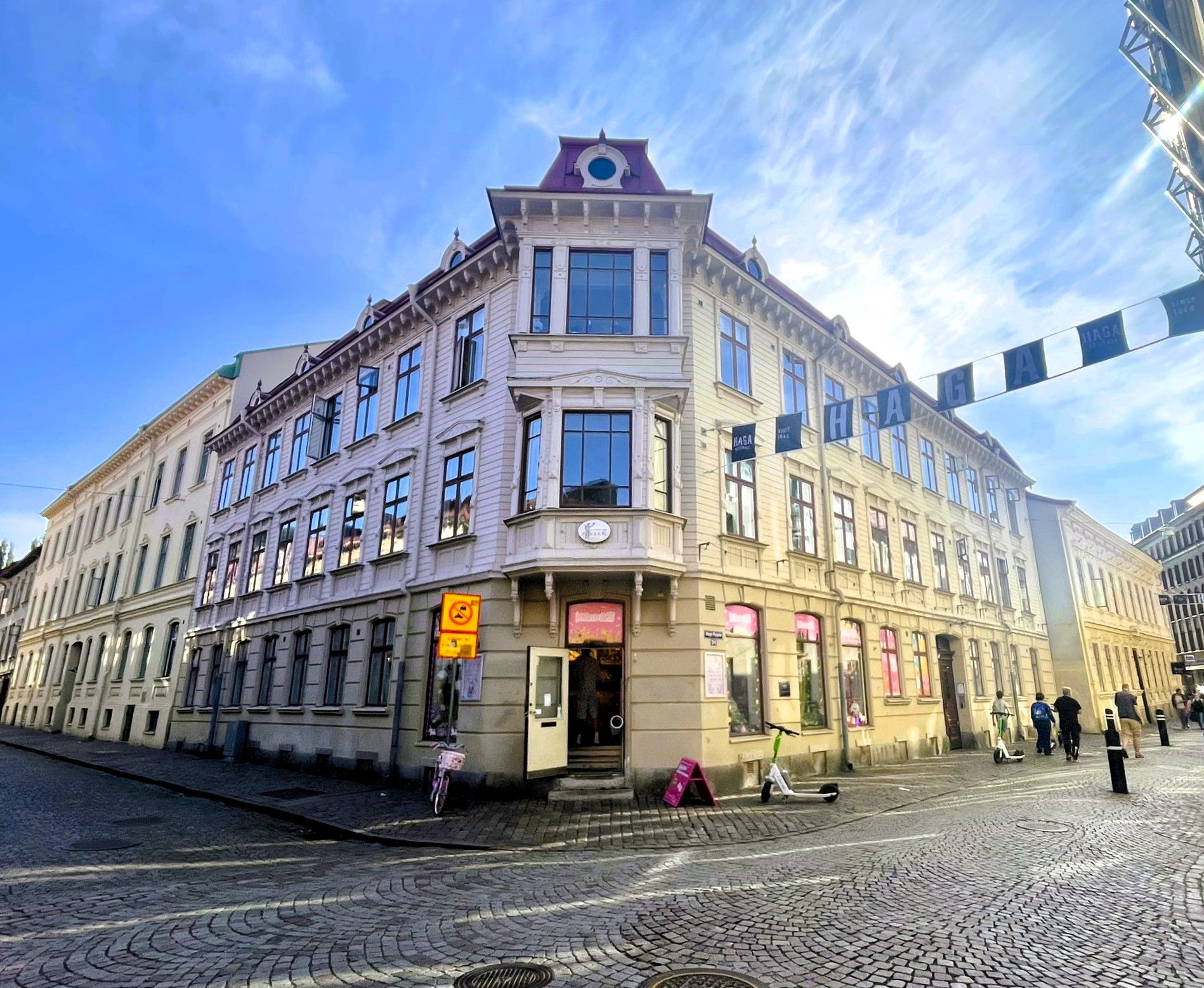
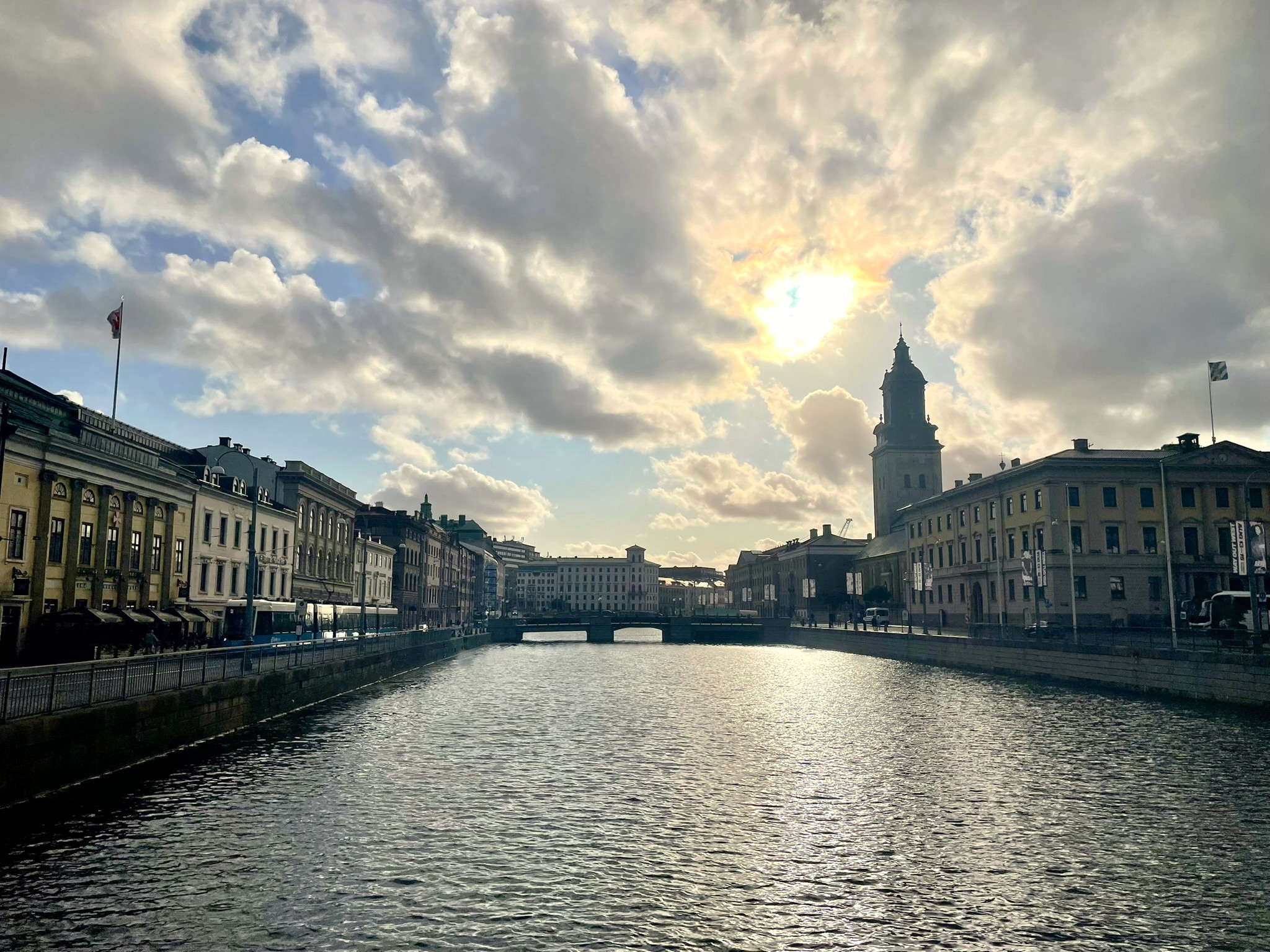
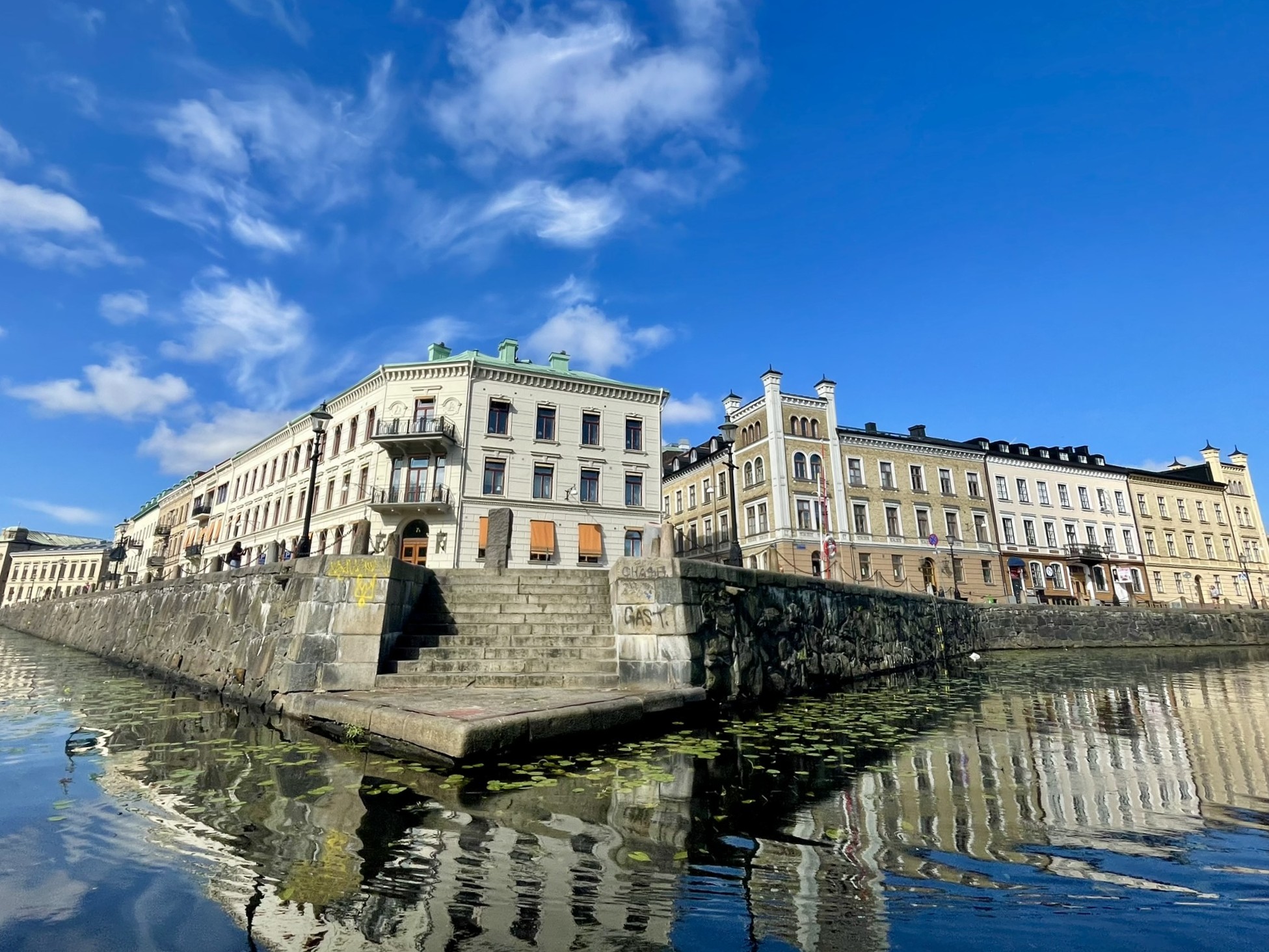
I followed the canal back toward the hotel, completing a stroll of about two hours. I love walking through a city, getting out and about and developing a feel for it on foot. C had already done plenty of wandering with me, and this gave me time to keep exploring while she rested.
I am glad we kept Göteborg in our itinerary, even with the seven-and-a-half-hour journey to get there. We had experienced a little of everything: Swedish engineering at the World of Volvo, a science museum and aquarium, a wonderful afternoon at Liseberg, cycling through island villages, and plenty of walking around the city. Sailing with the Swedish Sea Scouts was especially meaningful for C, but it gave me something extraordinary, too. We could not see everything, but we made the most of our time there.
It was also lovely to realize that traveling with an increasingly independent teen gives us room to do so much together and occasionally go our separate ways. C could rest and catch up with friends while I wandered through a historic district. After years of traveling as just the two of us, we were reaching a point where we could make space for both.